About Palazzo Zara
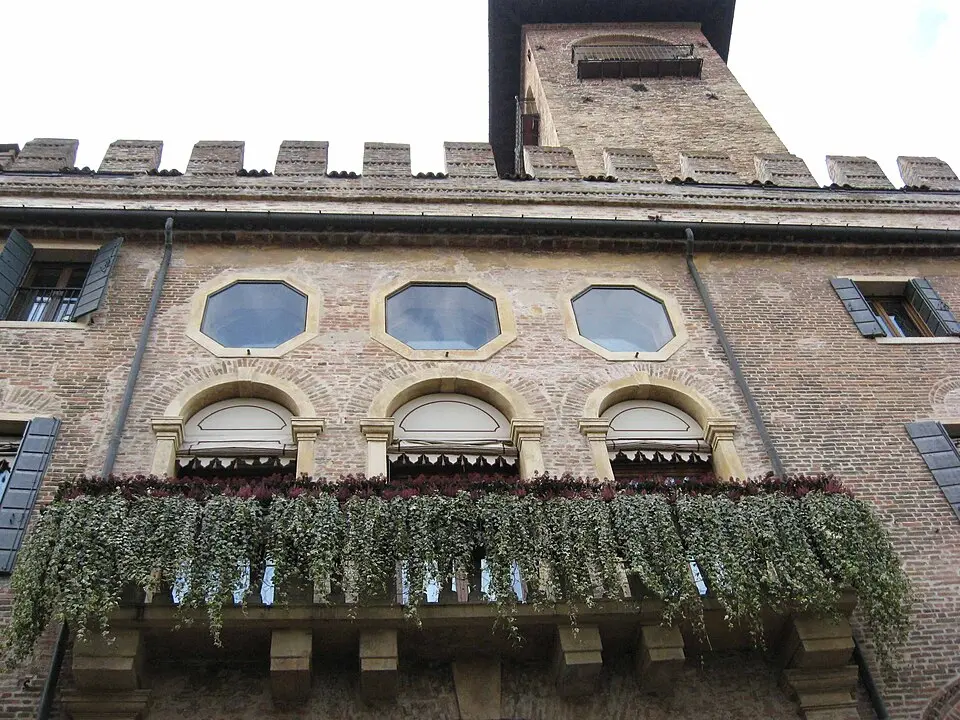
The Palazzo Capodilista, also known as Palazzo Zara, is one of the most important historic residences in Padua and stands near the Prato della Valle. One of the oldest well-preserved medieval residential buildings in the city, it bears witness to the long history of the Capodilista family, who owned the property until the early 2000s. The complex was built in the early 13th century around a defensive tower that had already been erected in the 11th or 12th century. The architecture brings together several eras: alongside the original medieval core, with its characteristic crenellated crown and tall tower structure, an arcaded façade designed by Giambattista Novello in the 18th century shapes the building's appearance. This façade consists of thirteen arched openings resting on columns of trachyte and limestone, some of them accented by decorative sawtooth friezes.
On a visit, you can admire the building's architectural variety, which ranges from Gothic elements to Baroque additions. One highlight is the historic chapel, decorated with 14th- and 15th-century frescoes and an altarpiece with Lombard influences. Inside, you'll find stately rooms, including a salon with hexagonal windows that were added in the 15th century. In the palace garden grows a dogwood (Cornus) more than 800 years old, which, according to legend, sprang from the staff of a saintly member of the family and was once prized for its healing properties. The history of the house is closely tied to the University of Padua, since many family members studied law there.
The 36-meter-high tower, built of trachyte blocks and Roman bricks, dominates the building's silhouette. Although it now sits partly below its original ground level, the former arrow slits are still visible in the walls. The palazzo also recalls Annibale Capodilista, who in the 15th century commissioned a large wooden jousting horse that was later given to the city and is now on display in the Palazzo della Ragione. This blend of military past, scholarly tradition, and architectural beauty makes the site a fascinating testament to Paduan cultural history.
At a glance
- Category
- Sight › Historic sites
- Rating
- no reviews yet · write a review
- Address
- Via Umberto I, 100
35122 Padua, Italy - Phone
- —
- Website
- —
- —
- Coordinates
- 45.40087° N · 11.87591° E
- Data quality
- confidence 0.83
- Identifier
- ID 5011d0ed-4a7…
Location & surroundings
Toggle layersRatings & comments
none yetNear Palazzo Zara
closest 5 per category · 2 kmSights
Restaurants
Museums
Hotels
More:Historic sites in Padua (75)All sights in Padua (87)
242 places within 2 km loaded.
Don't miss in Padua
All sights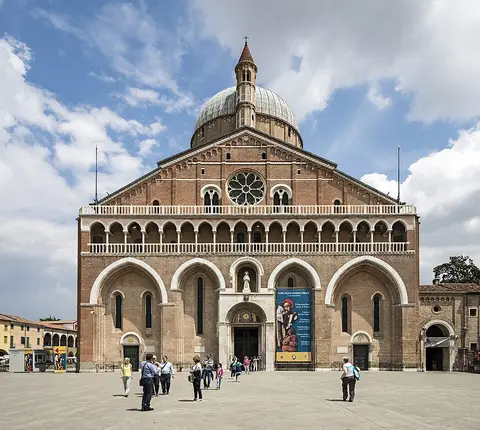 Historic sites01
Basilica di Sant'Antonio
Piazza del Santo, 11 · Padua● Website● Phone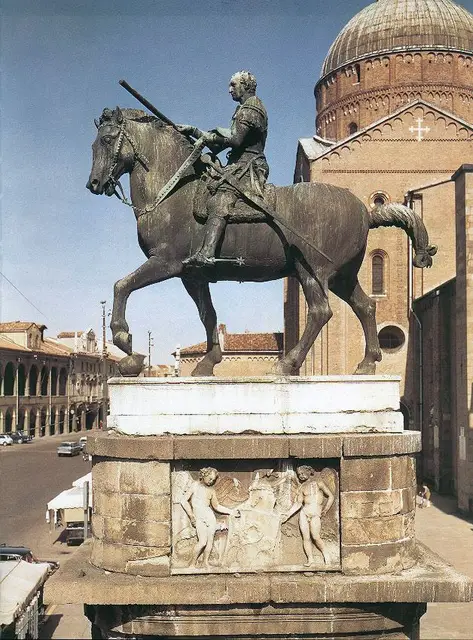 Monuments02
Monumento Equestre Al Gattamelata
Padova Suites C20, Piazza del Santo, 19 · Padua● Website○ Phone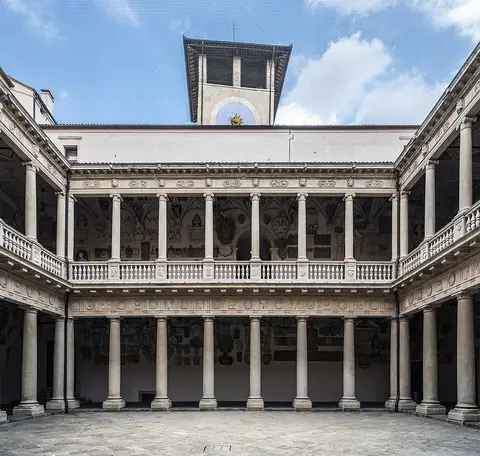 Historic sites03
Palazzo Bo
Via VIII Febbraio, 2 · Padua● Website● Phone Historic sites04
You need a free account to leave reviews and photos – that keeps comments genuine and lets you edit them later.