Saxony: Florence on the Elbe, the Ore Mountains, and Leipzig
Travel guide · editorialBaroque palaces on the Elbe, sandstone cliffs, wood carvers in the Ore Mountains, and a music city where Bach once worked: Saxony packs great culture into a compact area. A vacation in Saxony combines Dresden and Leipzig with Saxon Switzerland, the vineyards near Meissen, and the Christmas markets of the Ore Mountains.
Location and Landscape
The Free State of Saxony lies in eastern Germany on the borders with Poland and the Czech Republic. The Elbe flows through it from southeast to northwest. Southeast of Dresden, it forms the Elbe Sandstone Mountains, known as Saxon Switzerland, with table mountains, gorges, and rock spires; it is a national park and one of the oldest climbing areas in the world. The Ore Mountains and the Vogtland run along the Czech border, and the Zittau Mountains lie in the east. The north is flat, home to the Leipzig Neuseenland (New Lakeland), which emerged from flooded open-pit lignite mines. The Ore Mountains/Krušnohoří Mining Region is a cross-border World Heritage Site.
Dresden and the Elbe Valley
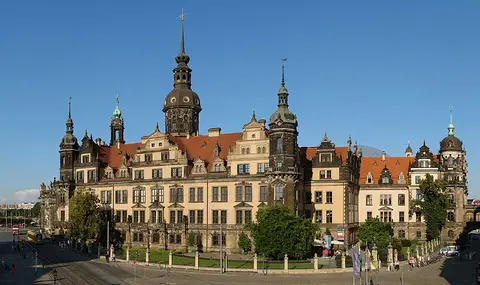
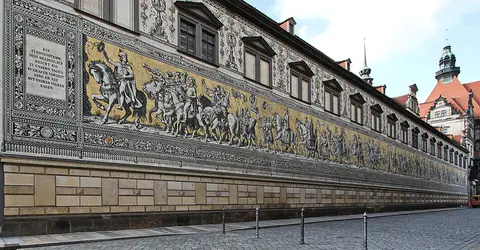
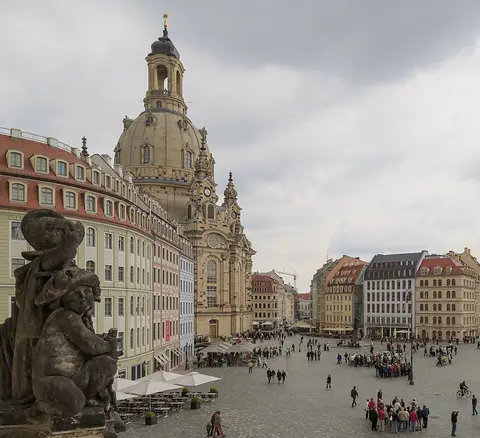
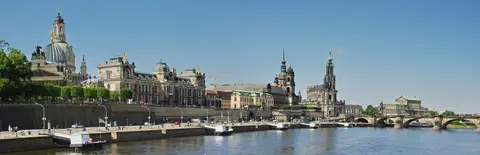
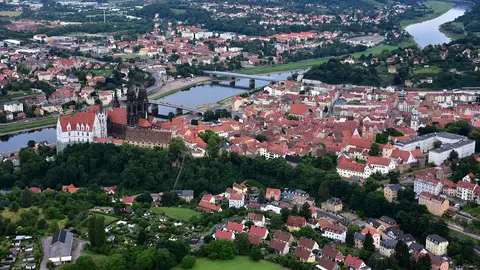
Dresden became a baroque royal residence under Augustus the Strong, was largely destroyed by bombing in February 1945, and has been rebuilt in large part. The Frauenkirche was reconsecrated in 2005 according to the original plans, and its dome once again defines the skyline. The Zwinger with the Old Masters Picture Gallery, where Raphael's Sistine Madonna hangs, the Semperoper, the Residenzschloss with the Green Vault, and the Brühl Terrace all lie close together. The Neustadt on the other side of the Elbe is livelier, with pubs and the Kunsthofpassage. Downstream lies Radebeul with its vineyards and the Karl May Museum, and farther on Meissen with Albrechtsburg Castle and the oldest porcelain manufactory in Europe. Upstream you'll find Pillnitz Castle and Königstein Fortress.
Leipzig and Chemnitz
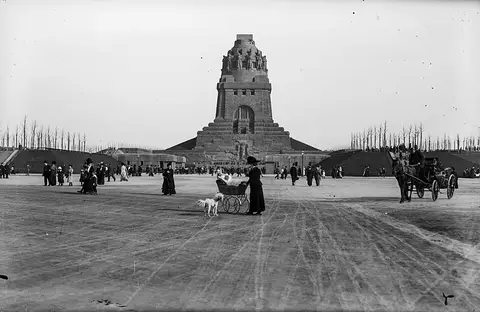
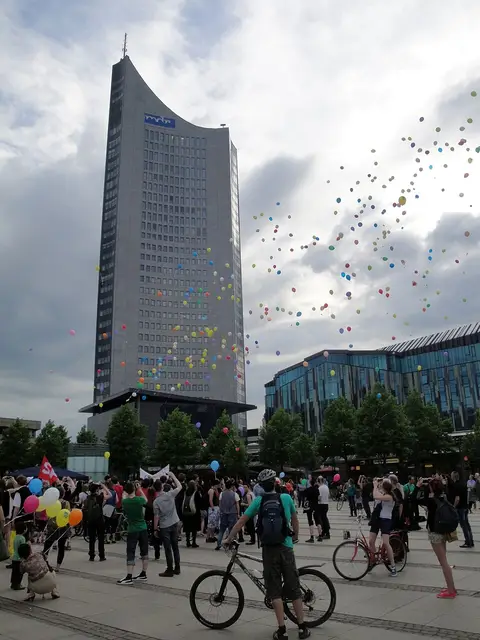
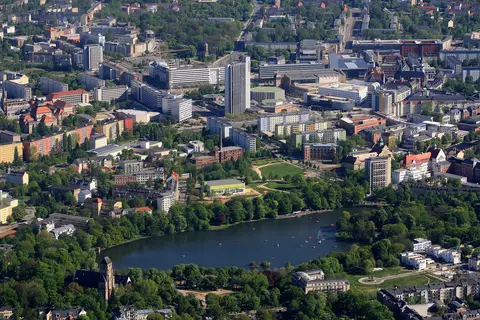
Leipzig is the largest city in Saxony and an old trade-fair and book city. Johann Sebastian Bach was Thomaskantor here, and the Thomanerchor still sings in St. Thomas Church today. In St. Nicholas Church, the peace prayers began in 1989 that led to the Monday demonstrations. Arcades such as Mädler Passage with Auerbach's Cellar, the setting of a scene from Goethe's Faust, the Gewandhaus, and the Monument to the Battle of the Nations are must-sees; the Spinnerei, a former cotton mill, is the center of the New Leipzig School. Chemnitz, called Karl-Marx-Stadt in East German times and home to the giant Marx head, was a European Capital of Culture in 2025. The city has Art Nouveau villas, Henry van de Velde's Villa Esche, and industrial museums.
Sights in Saxony
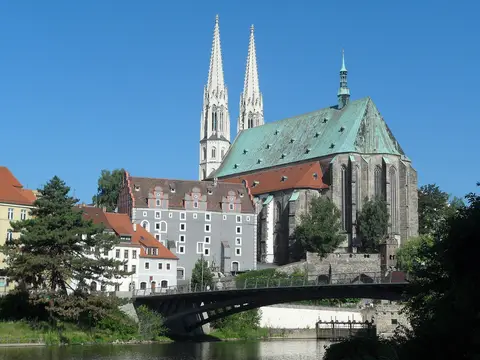
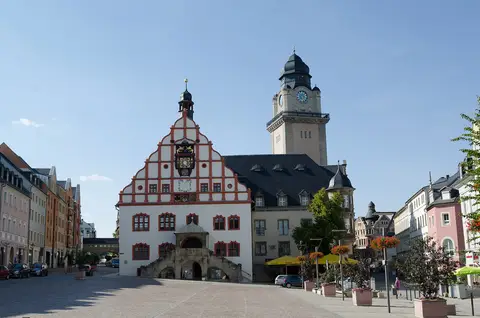
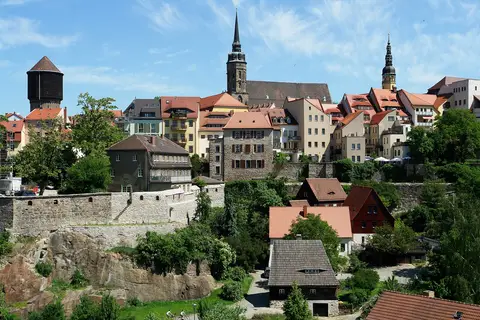
Görlitz, the easternmost city in Germany, has more than 4,000 historic monuments from the Gothic, Renaissance, and Gründerzeit periods and is a popular film backdrop, for example for The Grand Budapest Hotel. Across the Neisse River lies the Polish town of Zgorzelec. Bautzen is the center of the Sorbs, a Slavic minority with its own language and Easter customs. The Bastei in Saxon Switzerland, a bridge between rock formations high above the Elbe, is one of the most visited destinations. Zwickau is the birthplace of Robert Schumann and the cradle of the Trabant, and the August Horch Museum tells the story. Plauen in the Vogtland is known for its lace; in the Ore Mountains you'll find Seiffen, the village of wooden toy makers, and Annaberg-Buchholz. Moritzburg Castle with its pond, the setting of the fairy-tale film Three Wishes for Cinderella, the spa towns of the Vogtland such as Bad Elster, and Stolpen Castle round out the list. For cyclists, the Elbe Cycle Route, which passes through Dresden, Meissen, and Torgau, is one of the most popular long-distance cycling routes in Germany, and in Lusatia you can ride through the Lusatian Lake District.
Food and Drink
Dresden Christstollen has been baked since the 15th century and is sold at the Striezelmarkt. Leipziger Allerlei, a vegetable dish, and Leipziger Lerchen, an almond pastry, are Leipzig classics. In the Ore Mountains, people eat Quarkkeulchen and Buttermilchgetzen; in Lusatia, linseed oil with quark. Saxony has one of the northernmost wine-growing regions in Europe, between Pirna and Diesbar-Seußlitz. Radeberger Pilsner and Brauhaus Freiberg are well-known beers, and coffeehouses have a long tradition, such as Kaffeehaus Riquet in Leipzig.
Getting There and Best Time to Visit
The airports in Leipzig/Halle and Dresden have European connections, and Berlin is nearby. ICE routes connect Leipzig and Dresden with Berlin, Frankfurt, and Munich, and the S-Bahn serves Saxon Switzerland. The best time to visit is May through October for hiking and city tours. During Advent, Christmas markets and miners' parades with candle arches and Schwibbögen transform the Ore Mountains into a world of their own.