Discovering Leipzig: Bach, Arcades and Plagwitz
Travel guide · editorialThe Thomanerchor sings at St. Thomas Church, the Monday prayers that led to the Peaceful Revolution began at St. Nicholas Church in 1989, and in former cotton mills, world-renowned painters now work. Leipzig is a city of music, books and new beginnings. A city break in Leipzig shows why the city has been considered one of the most exciting in Germany for several years now.
Trade Fairs, Music and Courage
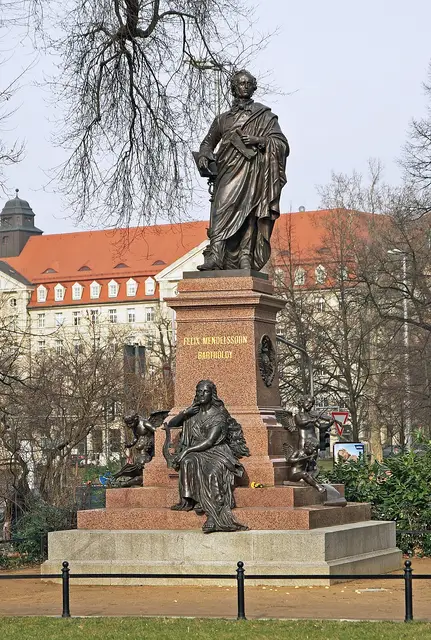
As early as the Middle Ages, Leipzig became a trade fair city thanks to its location at the crossroads of two trade routes. Johann Sebastian Bach worked here as Thomaskantor from 1723, and Mendelssohn, Schumann and Wagner also shaped the city's musical life. Leipzig was a city of books with many publishing houses. In 1813, the Battle of the Nations against Napoleon took place here. In the fall of 1989, tens of thousands took to the streets, and the Monday demonstrations contributed decisively to the fall of the Berlin Wall.
Sights in Leipzig
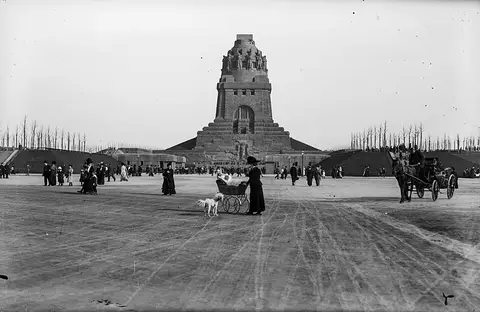
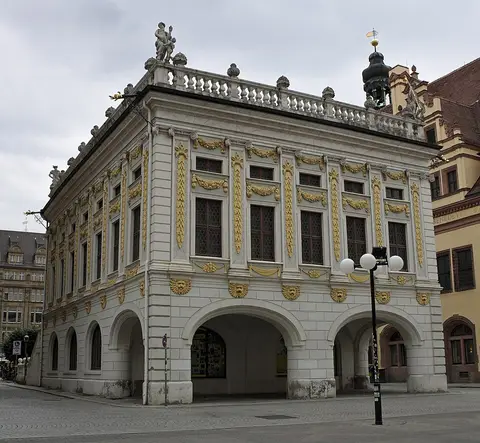
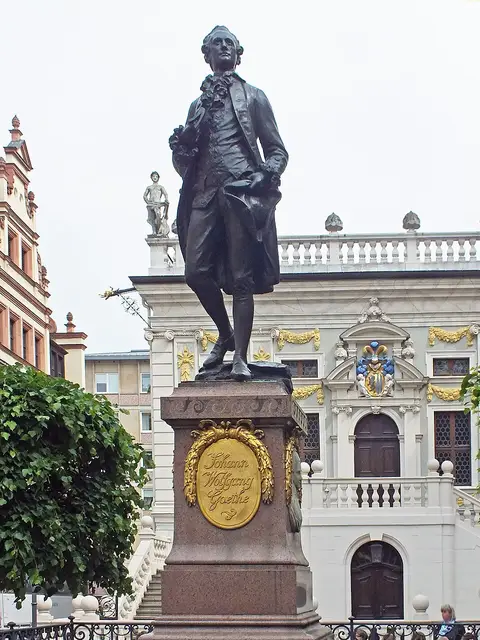
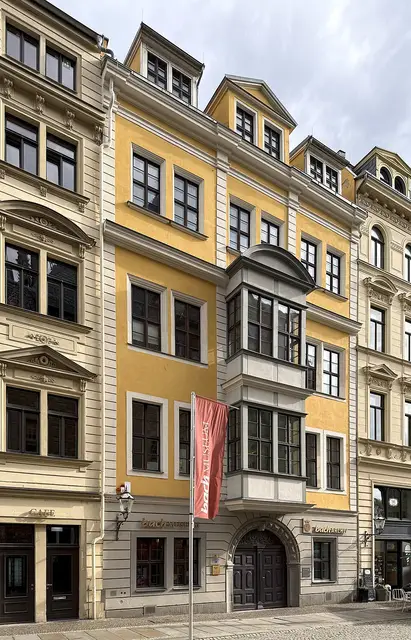
The city center is compact and surrounded by the Innenstadtring ring road. The Old Town Hall on the market square houses the Museum of City History. Bach is buried in St. Thomas Church, and across the way, the Bach Museum tells the story of his life. St. Nicholas Church, with its palm-like columns, was the starting point of the Monday demonstrations. Typical of Leipzig are the arcades and trade fair courtyards, such as the Mädlerpassage with Auerbachs Keller, which Goethe immortalized in "Faust." The Gewandhaus and the opera house on Augustusplatz are centers of music. In the southeast, the Monument to the Battle of the Nations rises up, one of the largest monuments in Europe, whose platform offers views far across the city.
Museums and Creative Scene
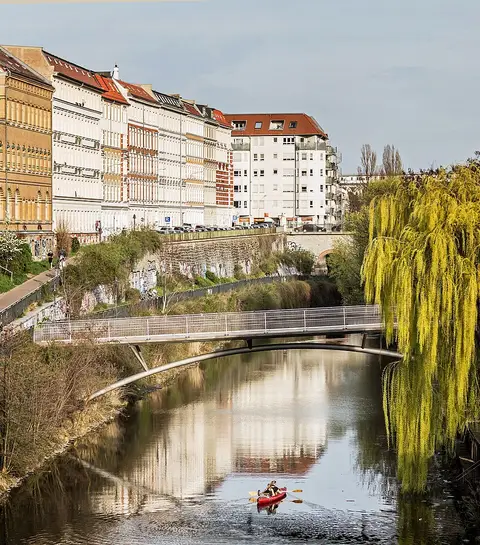
The Museum of Fine Arts shows works from Caspar David Friedrich to Neo Rauch, and the Zeitgeschichtliches Forum covers the history of division and reunification. The Runde Ecke, the former Stasi headquarters, is now a memorial site. In the west, Plagwitz, with its canals, factory buildings and the Spinnerei, a complex of galleries and studios, has developed into a creative quarter. The Südvorstadt, with Karl-Liebknecht-Straße, known as "Karli," is the pub mile, while Connewitz is alternative.
Eating in Leipzig
Leipzig cuisine features Leipziger Allerlei, a vegetable dish with crayfish and morels, and the Leipziger Lerche, a shortcrust pastry with marzipan that recalls the banned hunting of songbirds. Gose, a lightly salty wheat beer, is a Leipzig specialty. There are numerous cafés in the city center and in the Südvorstadt, and trendy pubs in old factories in the west.
Getting Around and Best Time to Visit
Leipzig/Halle Airport lies to the northwest and can be reached by S-Bahn and ICE in about 15 minutes. The main station is one of the largest terminal stations in Europe. Trams and S-Bahn trains serve the city, and the S-Bahn runs through a tunnel beneath the city center. The best time to visit is May through September; the Bach Festival takes place in June, and the Book Fair in spring. To the south, the lakes of the Leipzig Neuseenland, created from flooded open-pit lignite mines, are a draw; Lake Cospuden is reachable by bike from the center in just under an hour and has sandy beaches and a harbor. To the north lies the Auwald, one of the largest floodplain forests in Central Europe, in the middle of a city. Excursions also lead to Halle, Lutherstadt Wittenberg and Dresden, all easily reached by train.