Discover Helsinki: Design, Saunas, and an Island Fortress
Travel guide · editorialOn a summer evening at 11 p.m., it's still light in Helsinki, people sit on the rocks by the sea, and guests leap from a waterfront sauna into the cool waters of the Baltic. A city break in Helsinki takes you to a capital that combines grand neoclassical architecture with Scandinavian design, modern buildings, and a lifestyle all its own.
Between Sweden and Russia
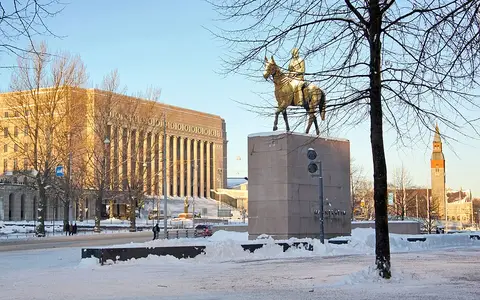
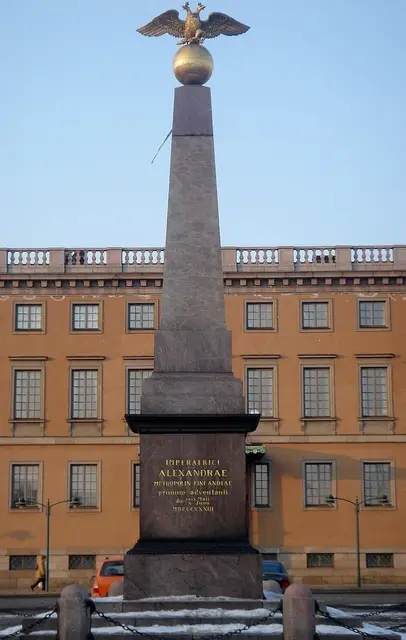
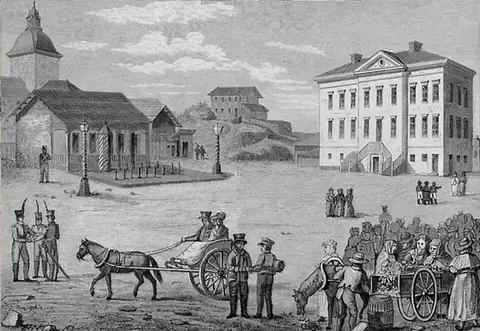
In 1550, the Swedish king Gustav Vasa founded Helsingfors as a trading town to compete with Tallinn. It remained insignificant for a long time, until Finland fell to the Russian Empire in 1809 and Tsar Alexander I made Helsinki the capital of the Grand Duchy in 1812. The German architect Carl Ludvig Engel designed the new center in the neoclassical style, with Senate Square as its heart. Helsinki has been the capital of Finland since independence in 1917. The bilingual street signs in Finnish and Swedish still recall the city's Swedish past. The Olympic Games were held here in 1952, and the Olympic Stadium with its slender tower remains a landmark of modernism.
Sights in Helsinki
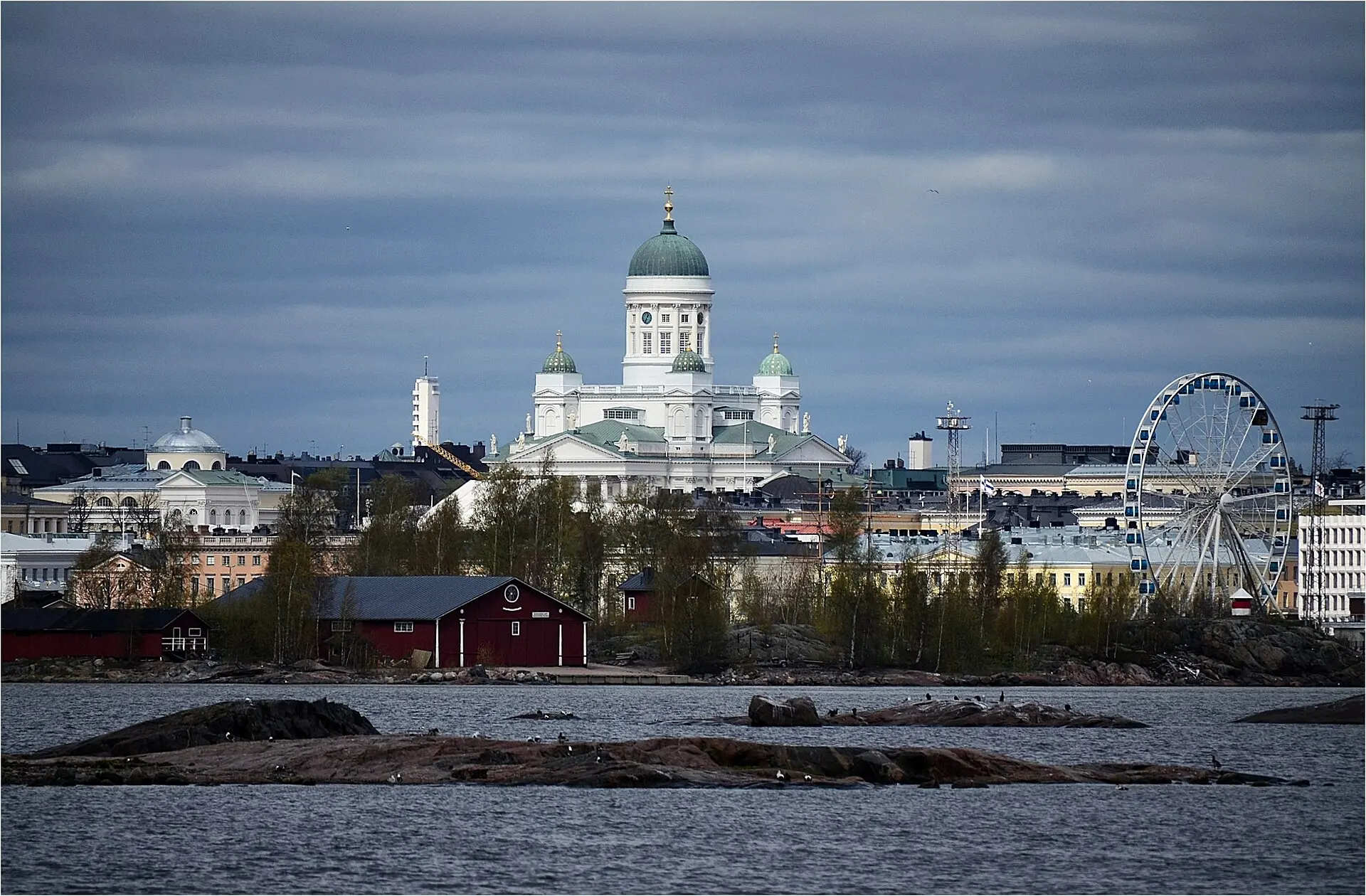
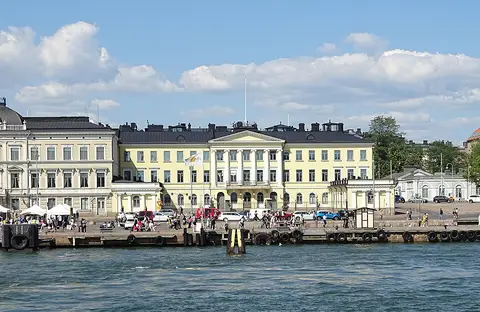
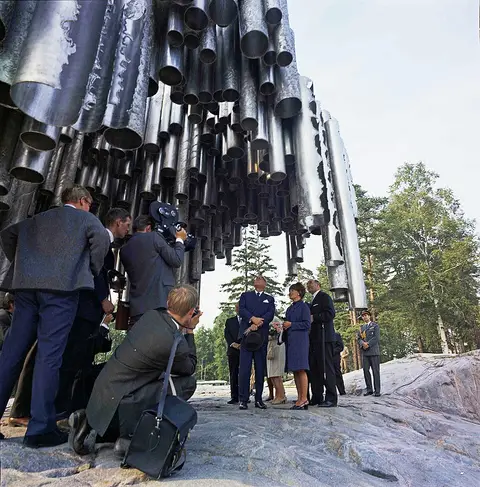
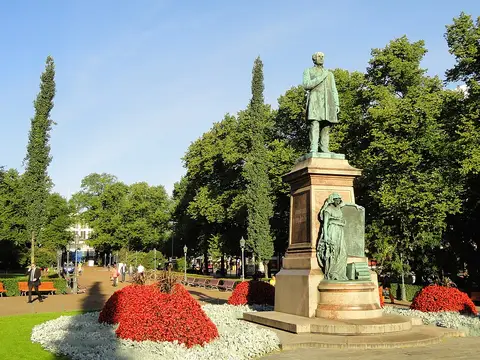
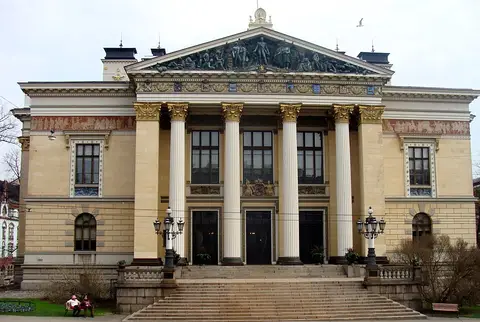
Above Senate Square stands the white cathedral with its green domes, flanked by the Government Palace and the university. A few minutes' walk away, the red-brick Uspenski Cathedral, the largest Orthodox church in Western Europe, rises on a rocky outcrop. The Temppeliaukio Church is blasted straight into the bedrock and topped by a copper dome, and its acoustics make it a popular concert venue. The wooden Kamppi Chapel, in the middle of a shopping district, is a very different kind of space for quiet reflection. At the harbor lies Market Square (Kauppatori), next to the Esplanadi, a tree-lined promenade, and to the west the Sibelius Monument, made of steel pipes, draws visitors. The Seurasaari Open-Air Museum on an island displays historic wooden houses from all over Finland.
Suomenlinna and the Islands
A 15-minute ferry ride from Market Square, Suomenlinna is a sea fortress that the Swedes built in the 18th century across six islands. With ramparts, cannons, a submarine, and museums, it has been a UNESCO World Heritage Site since 1991, and about 800 people live here. On summer days, locals picnic on the ramparts. Other islands, such as Pihlajasaari with its swimming beaches or Vallisaari with its unspoiled nature, can be reached by small boat.
Museums, Design, and Architecture
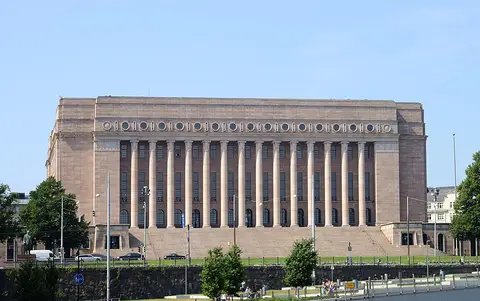
The Ateneum shows Finnish art of the Golden Age, including works by Akseli Gallen-Kallela and Helene Schjerfbeck, while Kiasma presents contemporary art in a curving building. The Amos Rex art museum lies beneath a square dotted with dome-shaped skylights. The Oodi Central Library, across from Parliament, with its workshops, 3D printers, and terrace, is the city's living room. In the Design District, spread across the Punavuori and Ullanlinna neighborhoods, shops, galleries, and studios line the streets, and the Design Museum explains how brands like Marimekko and Iittala, along with the furniture of Alvar Aalto, conquered the world. Eliel Saarinen's Central Railway Station, with its stone figures, is a masterpiece of National Romanticism.
Food, Sauna, and Going Out
In the Old Market Hall at the South Harbor you'll find salmon soup, smoked fish, and reindeer meat, and on Kauppatori in summer, fresh strawberries and peas. Classics include Karelian pasties made of rye dough filled with rice pudding, korvapuusti (cinnamon rolls), and salmiakki, salty licorice. Sauna culture is part of UNESCO's intangible cultural heritage; modern public saunas like Löyly by the sea or the Allas Sea Pool at the harbor combine sweating with a dip in the Baltic. In the evening, people meet in Kallio, the former working-class district, which is full of pubs, bars, and small restaurants.
Getting There and the Best Time to Visit
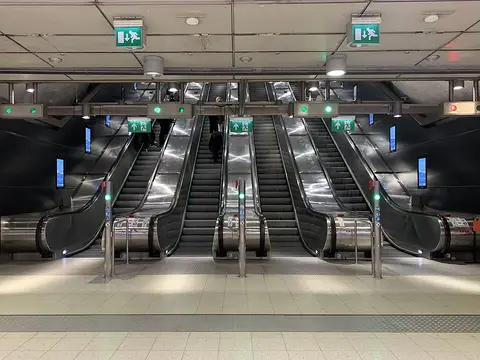
From Helsinki-Vantaa Airport, the Ring Rail Line takes about 30 minutes to reach the Central Station. Trams, a metro, and ferries serve the city; ferries reach Tallinn in a little over two hours and Stockholm overnight. The best time to visit is from June to August, with its bright nights; in December, the Christmas market and lights work their magic. Excursions lead to Nuuksio National Park with its lakes and forests, just an hour from the center, and to Porvoo, one of Finland's oldest towns, with red warehouse buildings along the river. In winter, the sea freezes over on some days, and locals then walk across the ice to the islands off the coast.