Uusimaa: Helsinki, Archipelago and Old Wooden Towns
Travel guide · editorialUusimaa is Finland's capital region and, at the same time, a land of archipelagos, forests and small wooden towns on the Gulf of Finland. A vacation in Uusimaa combines the design metropolis of Helsinki with island tours, manor houses and the country's oldest seaside resort in Hanko. About a third of all Finns live here, yet just a few miles beyond the city, the quiet begins.
Coast, Archipelago and Hinterland
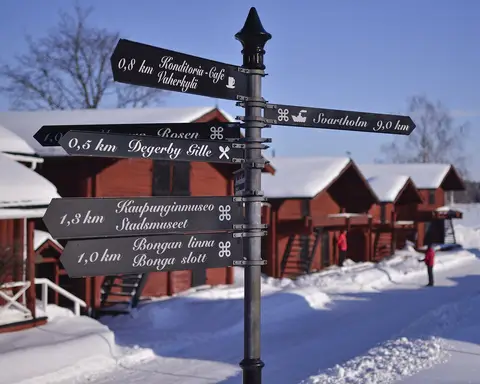
The Uusimaa region, called Nyland in Swedish, stretches along Finland's south coast from Hanko in the west to Loviisa in the east. The coastline is rugged and lined with thousands of islands, islets and rocky humps smoothed by glaciers. Inland, forests, fields and lakes such as Lohjanjärvi near Lohja alternate. Around 1.8 million people live in the region, most of them in the Greater Helsinki area with Espoo and Vantaa. Uusimaa is bilingual: in many municipalities, such as Raseborg, Porvoo or Loviisa, Swedish is the mother tongue of a large share of residents, and signs are written in both Finnish and Swedish.
Helsinki: Capital by the Sea
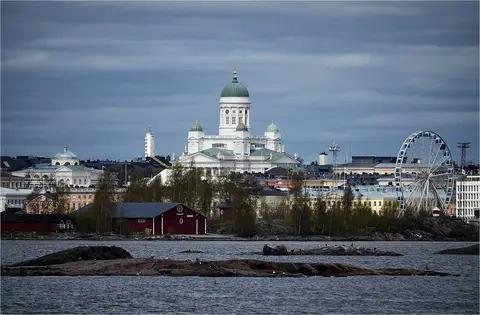
Helsinki was founded in 1550 by the Swedish king Gustav Vasa, but the city got its present look in the 19th century, when it became the capital of the Russian Grand Duchy of Finland. Senate Square with Carl Ludvig Engel's white cathedral is the neoclassical center, and just a few steps away stands the red-brick Orthodox Uspenski Cathedral. At Market Square on the South Harbor, vendors sell salmon, berries and reindeer pelts, and the old market hall beckons next door. Art Nouveau shapes districts like Katajanokka, and Eliel Saarinen's Central Railway Station is a landmark. The Temppeliaukio Rock Church is blasted into granite, and the modern Oodi Central Library is considered the city's living room. The design district around Bulevardi street is full of galleries and shops. A ferry takes you in 15 minutes to the island fortress of Suomenlinna, a UNESCO World Heritage Site built in the 18th century against Russia and now a residential neighborhood with museums and cafés. Saunas such as Löyly or the Allas Sea Pool on the waterfront show how naturally Finns jump into the sea after a sauna session.
Sights in Uusimaa Outside Helsinki
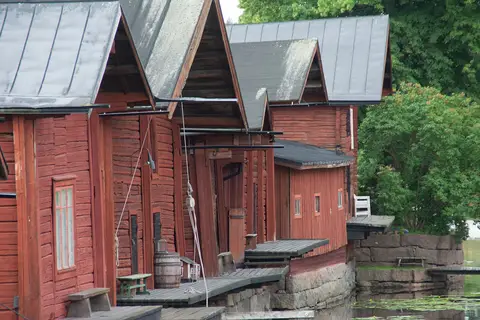
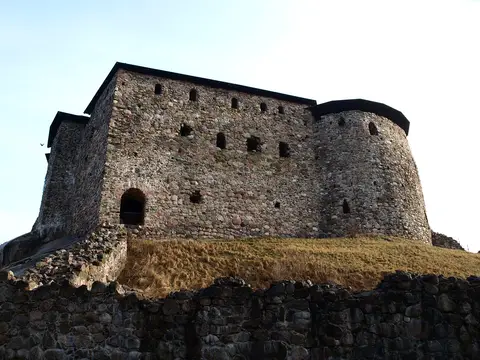
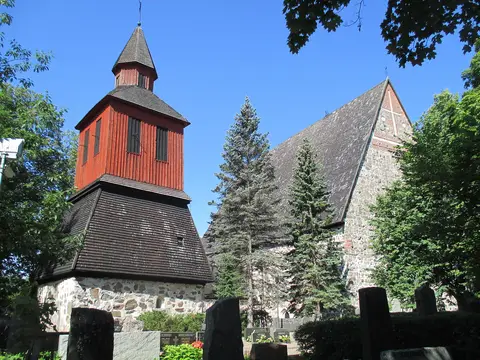
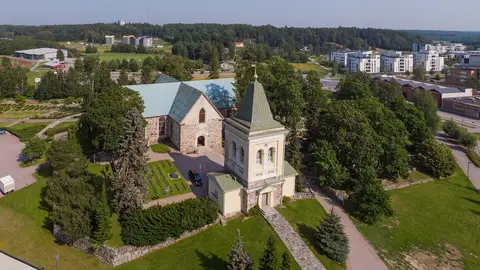
Porvoo, 31 miles to the east, is Finland's second-oldest town. Its red wooden warehouses along the river, the medieval cathedral and the steep lanes of the old town make it a classic day trip. Loviisa has a pretty old wooden town and the sea fortress of Svartholm. To the west lies Raseborg with the Raseborg castle ruins and the ironworks villages of Fiskars and Billnäs, where craftspeople and designers work in old iron mills; Fiskars is the origin of the famous orange-handled scissors. Hanko at the southern tip is a seaside resort with colorful villas from the tsarist era, long sandy beaches and a big regatta in summer. In Espoo, Nuuksio National Park protects lakes, rocks and forests where flying squirrels live, less than 40 minutes from the capital. Lohja has a remarkable fieldstone church with medieval wall paintings. In Järvenpää, halfway to Hyvinkää, you'll find Ainola, the home of Jean Sibelius, set in a birch forest.
Food and Drink
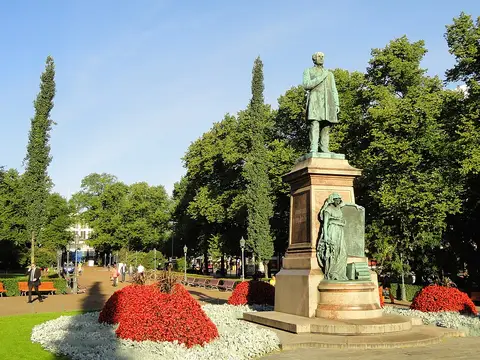
Helsinki has developed into a gourmet destination, with Nordic cuisine built on wild mushrooms, berries, game and Baltic fish. Lohikeitto, a creamy salmon soup with dill, is served in every market hall, along with rye bread. Karelian pasties with rice porridge and egg butter are a popular snack. In February, people eat Runeberg tortes, small almond cakes with raspberry jam that originated in Porvoo, where the national poet Johan Ludvig Runeberg lived. In summer, small Baltic herring, crayfish parties in August and fresh strawberries are a must. Finns are world champions when it comes to coffee, and cinnamon rolls, korvapuusti, go with it.
Getting There and Getting Around
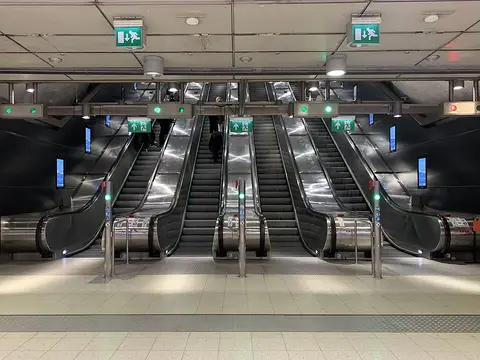
Helsinki-Vantaa Airport (HEL) is northern Europe's most important hub for flights to Asia and has direct flights from many German cities. Ferries connect Helsinki with Travemünde, Tallinn and Stockholm. Within the region, commuter trains run to Espoo, Kerava and Hyvinkää, and buses go to Porvoo and Loviisa. The tram and the metro out to Espoo make Helsinki easy to explore, and in summer rental bikes are a good alternative.
Best Time to Visit
The best time to visit is June through August, when the days are nearly endless and the terraces along the coast are packed; at midsummer, Finns celebrate with bonfires by the water. September brings fall colors and mushrooms. Winter is dark and often gray, but Christmas markets, illuminated streets and saunas make December atmospheric; sometimes even the sea freezes over.