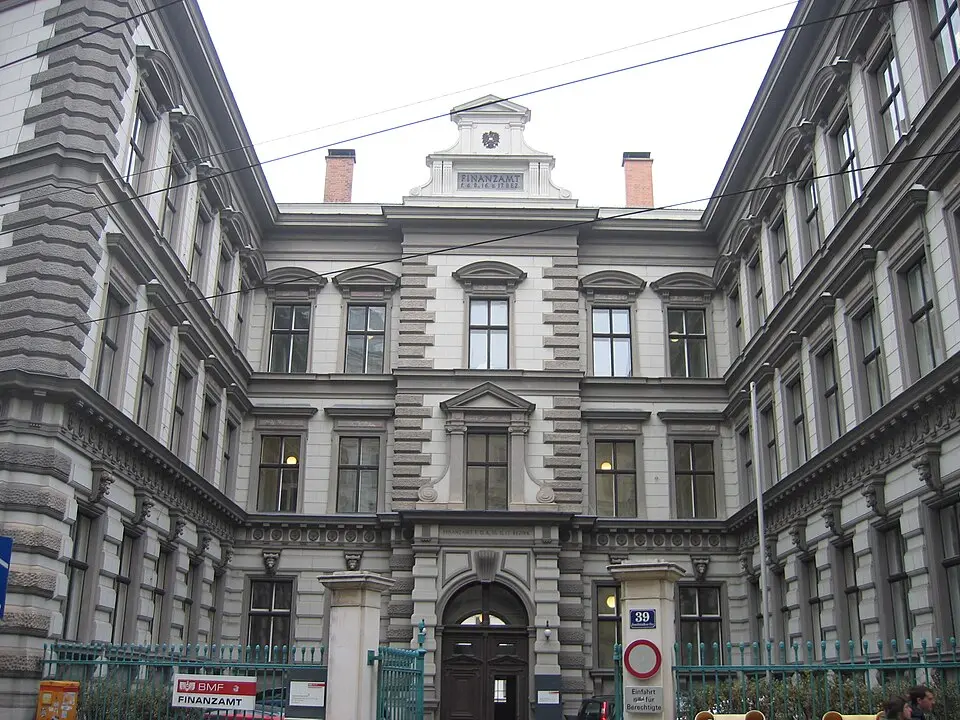
About Palais Strozzi
Palais Strozzi in Vienna's 8th District, Josefstadt, is a historic building on Josefstädter Straße that was originally built as a modest summer residence for Countess Maria Katharina Strozzi. The architect is not known for certain, but may have come from the circle of Johann Lukas von Hildebrandt. After several changes of ownership, including the Archbishop of Valencia and Emperor Charles VI, the property passed to Empress Maria Theresa, who gave it to her court chancellor as a gift. In the 19th century, the palace briefly served as a cholera hospital before the state acquired it and converted it into a girls' boarding school, which required adding a story to the building. Later, it housed the tax office for several districts, among other uses. Today, the building is home to the research center of the Institute for Advanced Studies as well as the Complexity Science Hub Vienna. The pink-and-white palace sits behind a plain Gründerzeit building. You can admire the open staircase on the garden side. During a renovation, frescoes from around 1740 were uncovered on the ground floor, showing grotto architecture with shells and coral. The original interior furnishings, however, have not survived.
At a glance
- Category
- Sight › Palaces
- Rating
- no reviews yet · write a review
- Address
- Josefstädter Str. 37
1080 Vienna, Austria - District
- Josefstadt
- Phone
- —
- Website
- www.wien.gv.at
- —
- Coordinates
- 48.20953° N · 16.34796° E
- Data quality
- confidence 0.87
- Identifier
- ID 8df550c9-73f…
Location & surroundings
Toggle layersFAQ about Palais Strozzi
quick answersWhat is the Palais Strozzi in Vienna?
The Palais Strozzi is a historic palace at Josefstädter Straße 37 in Vienna's 8th district, Josefstadt. It was originally built as a modest summer residence for Countess Maria Katharina Strozzi. Today, the Palais Strozzi houses the research center of the Institute for Advanced Studies as well as the Complexity Science Hub Vienna.
What is the history of the Palais Strozzi in Vienna?
Over the centuries, the Palais Strozzi in Vienna has had many owners and uses. After passing through the hands of owners such as the Archbishop of Valencia and Emperor Charles VI, it came to Empress Maria Theresa, who gave it to her court chancellor. In the 19th century, it briefly served as a cholera hospital, was then acquired by the state, and was converted into a girls' boarding school with the addition of an extra floor. Later, it housed the tax office for several districts, among other uses.
Who was the architect of the Palais Strozzi in Vienna?
The architect of the Palais Strozzi in Vienna's Josefstadt is not known for certain. It is believed that he came from the circle around Johann Lukas von Hildebrandt.
What is there to see at the Palais Strozzi in Vienna?
At the Palais Strozzi in Vienna, the main thing you can admire is the free-standing staircase on the garden side. The pink-and-white palace sits behind a plain Gründerzeit building on Josefstädter Straße. During a renovation, frescoes from around 1740 were uncovered on the ground floor, showing grotto-style architecture with shells and corals. The original interior furnishings, however, have not survived.
What can you visit around the Palais Strozzi in Vienna?
Near the Palais Strozzi in Vienna's Josefstadt, about 230 meters away, you'll find the Kaiser Franz Joseph Hat Museum. If you need a break, travelguide195 lists around 151 restaurants within 500 meters of the Palais Strozzi.
Ratings & comments
none yetNear Palais Strozzi
closest 5 per category · 2 kmRestaurants
Museums
Hotels
More:Palaces in Vienna (48)Sights in Josefstadt (15)All sights in Vienna (661)
300 places within 2 km loaded.
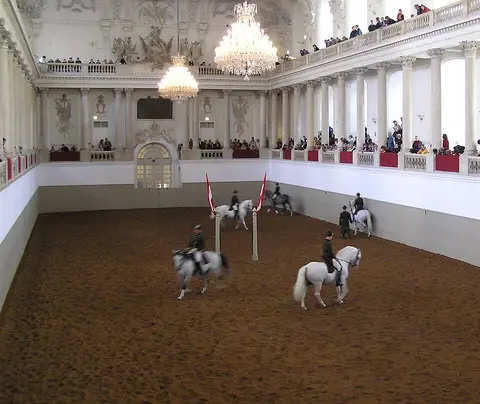
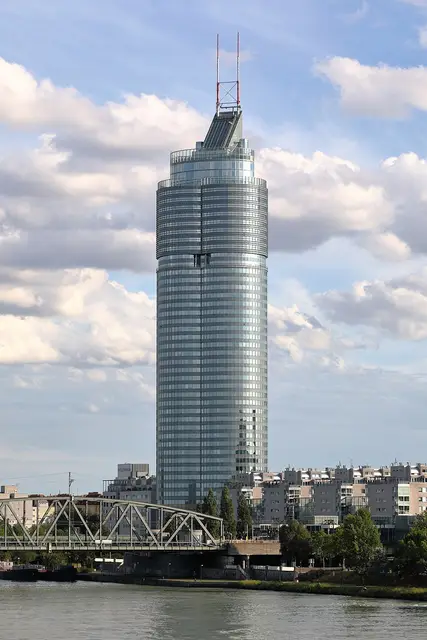
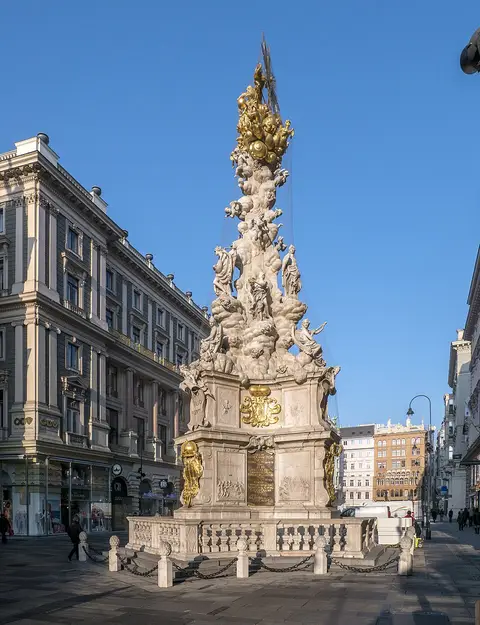
You need a free account to leave reviews and photos – that keeps comments genuine and lets you edit them later.
The palace was built in 1702, and once had a garden that extended to Pfeilgasse. Renovations in 1996 led to the rediscovery of old paintings dating to the period of the building's construction.
Source: Wikivoyage, „Vienna/Josefstadt“ · authors per page history · CC BY-SA 4.0