Lâm Đồng: From the Highlands Around Dalat to the Dunes of Mũi Né
Travel guide · editorialCool pine forests and flower fields at 1,500 meters, plus red sand dunes and kitesurfers by the sea: since the 2025 territorial reorganization, Lâm Đồng Province is the largest in Vietnam by area. A trip to Lâm Đồng takes you from Dalat, the former French hill station, across the coffee plateaus to the coast at Phan Thiết and Mũi Né.
Three Landscapes in One Province
In July 2025, the former provinces of Lâm Đồng, Đắk Nông, and Bình Thuận were merged into a single unit, with Dalat remaining the administrative seat. The region is correspondingly diverse. At its center lies the Lâm Viên Plateau with Lang Biang Mountain, a good 2,100 meters high. To the southwest lies the Di Linh Plateau around Bảo Lộc, known for tea and silkworm farming. In the west, in the former Đắk Nông, coffee and pepper are grown, and basalt soils bear witness to ancient volcanoes. To the southeast, the land drops steeply to the dry coast of Bình Thuận, the least rainy stretch of Vietnam, with fishing ports at Phan Thiết and La Gi.
Dalat, the City of Eternal Spring
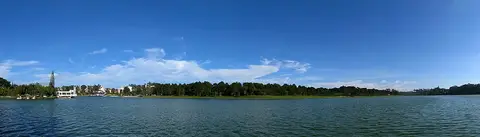
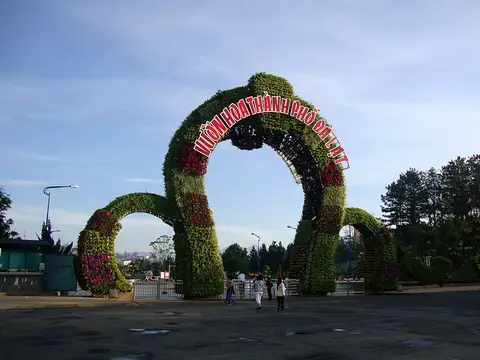
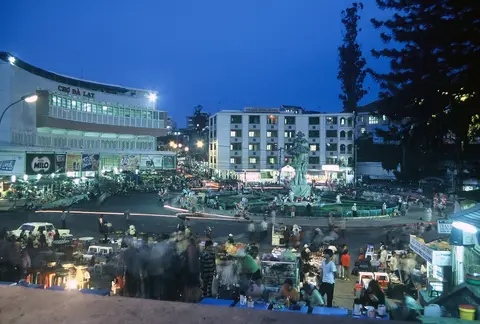
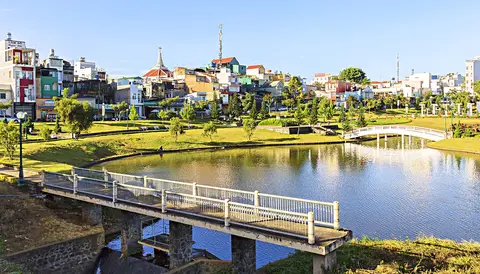
The French physician Alexandre Yersin recommended the highland plateau as a health resort in 1893, and soon villas, a high school, and an Art Deco train station followed; the station still serves a short nostalgic rail line to Trại Mát today. Dalat is built around the artificial Xuân Hương Lake, surrounded by pine-covered hills, greenhouses, and vegetable fields. Vietnamese newlyweds arrive in droves to have their photos taken in front of hydrangeas and cherry blossoms. Sights in Lâm Đồng include the summer palace of the last emperor, Bảo Đại, the pink Domaine de Marie church, the eccentric "Crazy House" by architect Đặng Việt Nga, and the cable car to Trúc Lâm Monastery above Tuyền Lâm Lake. Around the city, waterfalls such as Datanla and Pongour tumble over basalt steps. At the night market, locals in down jackets warm up over grilled rice paper, bánh tráng nướng, often called "Dalat pizza."
The Coast at Phan Thiết and Mũi Né
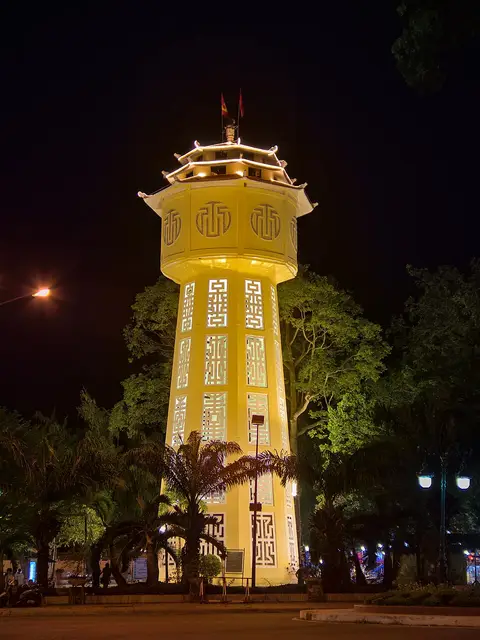
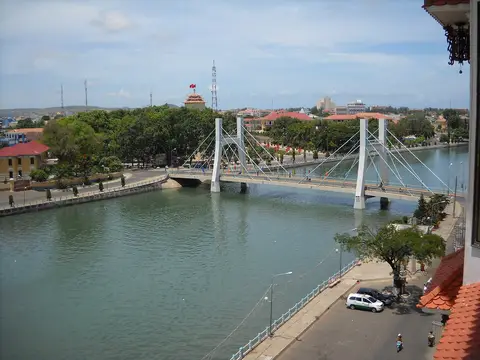
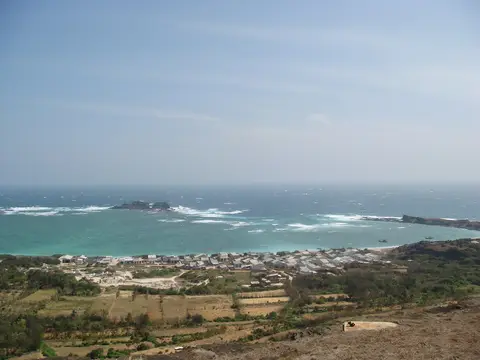
In the 1990s, Mũi Né was a fishing village until a solar eclipse in 1995 brought its first visitors. Today resorts line the coastal road, and from November to April the wind blows so reliably that kitesurfers come from all over the world. The white dunes near Bàu Trắng and the red dunes near Mũi Né resemble a small desert, and the "Fairy Stream" flows ankle-deep through a red sandstone gorge. In Mũi Né's harbor, hundreds of colorful fishing boats and round basket boats bob on the water. Phan Thiết itself is Vietnam's capital of fish sauce, nước mắm, which matures in large wooden barrels. A little farther south lies Tà Cú Mountain with a 49-meter-long reclining Buddha, reachable by cable car. And offshore, the island of Phú Quý beckons with quiet beaches.
Coffee, Tea, and Highland Cuisine
Lâm Đồng is one of the most important growing regions for Arabica and Robusta. Around Dalat and Bảo Lộc you can visit plantations and try weasel coffee, cà phê chồn, though its production is controversial; the many small specialty roasteries are the more ethical choice. Bảo Lộc supplies oolong and green tea. Markets are stocked with artichokes, which are drunk as tea, plus strawberries, avocados, and persimmons. In the evening, lẩu, a hot pot with vegetables and meat, goes perfectly with the cool air. On the coast, by contrast, menus feature fish dishes and bánh căn, small rice cakes with quail egg.
Getting There and Best Time to Visit
Liên Khương Airport (DLI) is about 30 kilometers south of Dalat and has good connections to Hanoi and Saigon. A separate airport is under construction near Phan Thiết, and the expressway from Saigon cuts the drive to the coast to under three hours. From Dalat to Mũi Né, a winding mountain road takes about four hours. The best time to visit both areas is the dry season from December to April. Dalat stays pleasant all year at 15 to 24 degrees Celsius (59 to 75°F), but from May to October it rains almost every afternoon. On the coast it is usually dry even in summer, when the sea is calmer.