Discover Phan Thiết: Fish Sauce, Dunes, and Mũi Né
Travel guide · editorialBrightly colored fishing boats, endless dragon fruit fields, and red sand dunes by the sea: Phan Thiết and neighboring Mũi Né are among the most popular beach destinations in southern Vietnam. A vacation in Phan Thiết combines water sports with fishing village life and the history of the Cham.
Cham Heritage and Fish Sauce
Until the 17th century, the region belonged to the Kingdom of Champa, whose structures survive on Po Sah Inư Hill. Later, Phan Thiết developed into a center of fish sauce production; nước mắm from Phan Thiết was long as famous as the kind from Phú Quốc. One famous resident was the young Ho Chi Minh, who taught at the Dục Thanh School in 1910 before setting off for Europe. As part of the 2025 administrative reform, Bình Thuận Province, whose capital was Phan Thiết, was merged with Lâm Đồng. The city has since been divided into several wards (phường), including Phú Thủy, Phan Thiết, Bình Thuận, and Hàm Thắng.
Sights in Phan Thiết
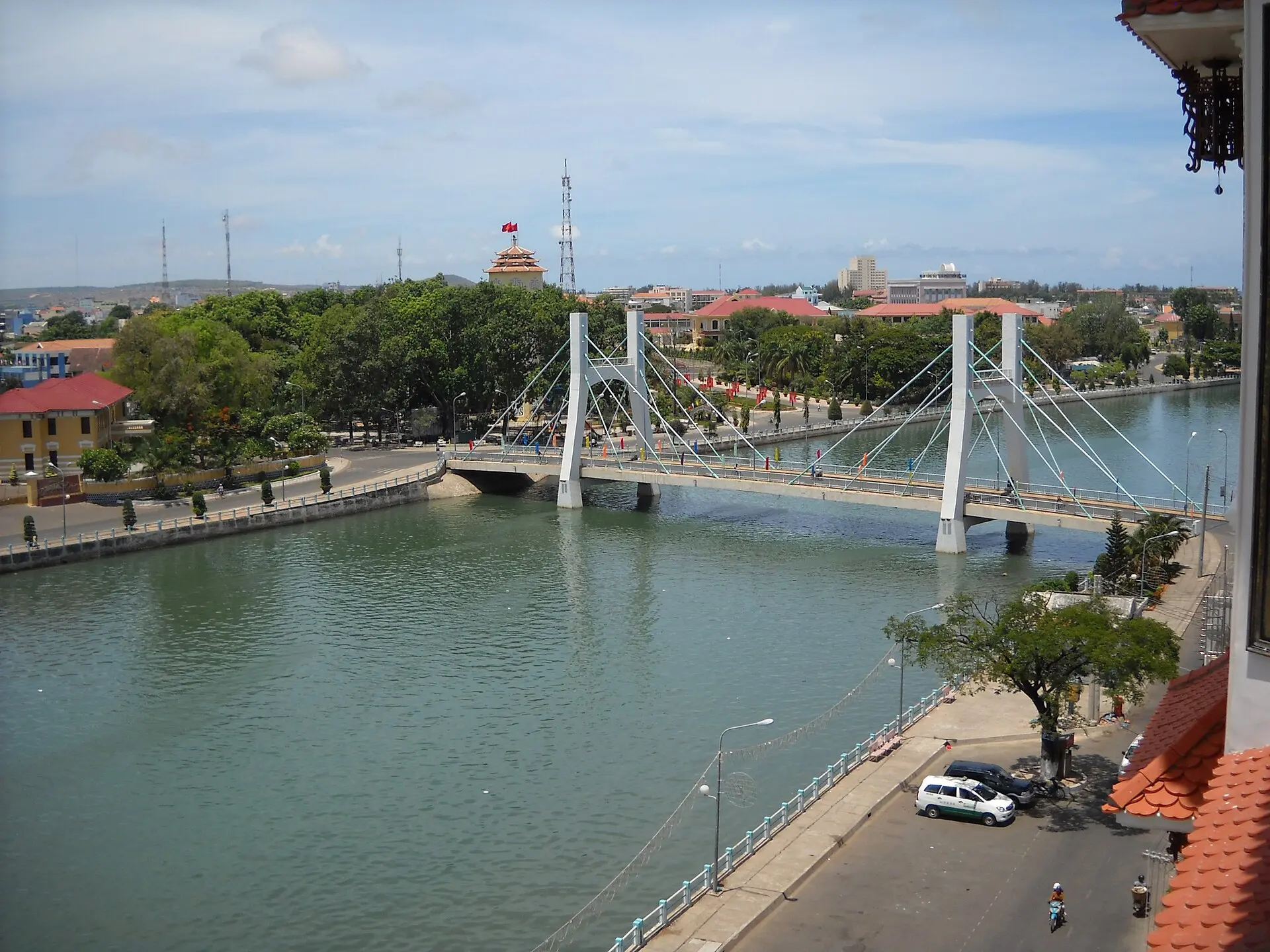
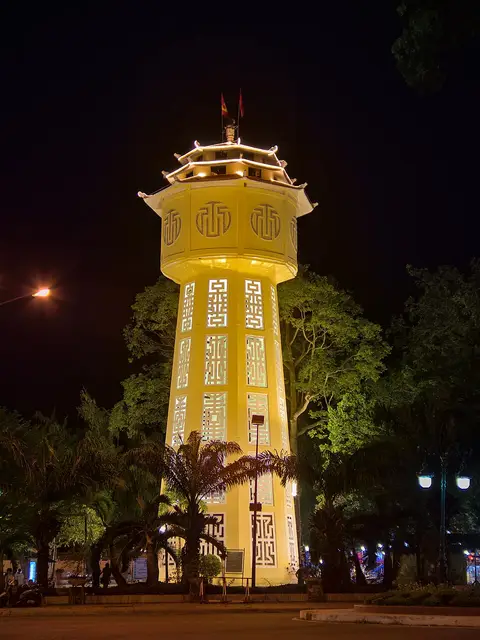
The landmark in the center is the water tower from 1928 on the Cà Ty River, which is lit up in the evening. On the other side of the river is the Dục Thanh School with a small museum. Hundreds of blue and red fishing boats bob in the harbor, which bustles with activity in the morning. The Po Sah Inư Towers from the 8th century, three small Cham brick towers, sit on a hill along the road to Mũi Né. South of the city, Tà Cú Mountain rises with one of the largest reclining Buddha statues in Vietnam, reachable by cable car. Farther south, a colonial-era lighthouse stands on Kê Gà Island.
Mũi Né and the Dunes
About 20 kilometers to the east lies Mũi Né, a fishing village that has grown into a hub for kitesurfers. Between November and April, steady winds create ideal conditions, and numerous schools offer lessons. Behind the village rise the red dunes, and farther north are the White Dunes of Bàu Trắng with a lotus lake, where you can watch the sunrise. The "Fairy Stream," a shallow creek running between red and white sandstone walls, can be explored on foot, barefoot. At the Mũi Né fishing harbor, round basket boats bring in the catch early in the morning.
Eating in Phan Thiết
The cuisine revolves around fish and seafood. Typical dishes include bánh căn, small rice cakes with egg or squid, gỏi cá mai, a salad of marinated anchovies, and bánh hỏi lòng heo. The region is Vietnam's largest producer of dragon fruit; at night the fields glow because lamps stimulate flowering. In Mũi Né, seafood restaurants line the coastal road, where you pick lobster, shellfish, and crab from tanks.
Getting There and Best Time to Visit
Since the expressway opened, you can reach Phan Thiết from Ho Chi Minh City in about three hours. A fast train connects Saigon with Phan Thiết, and the North-South railway also stops nearby. The new Phan Thiết Airport is meant to bring air traffic to the region. The best time to visit is the dry season from November to April, ideal for kitesurfers. From May to October it rains more often, but the sea is calmer. On weekends many day-trippers arrive from Saigon; during the week the beaches are much more relaxed.