Discover Hội An: Lanterns, Tailors, and Old Town Alleys
Travel guide · editorialWhen hundreds of silk lanterns glow in the alleys at night and paper lights drift along the Thu Bồn River, Hội An shows its most beautiful side. A vacation in Hội An combines one of Asia's best-preserved trading towns with tailor workshops, rice paddies, and beaches.
Port of the Merchants
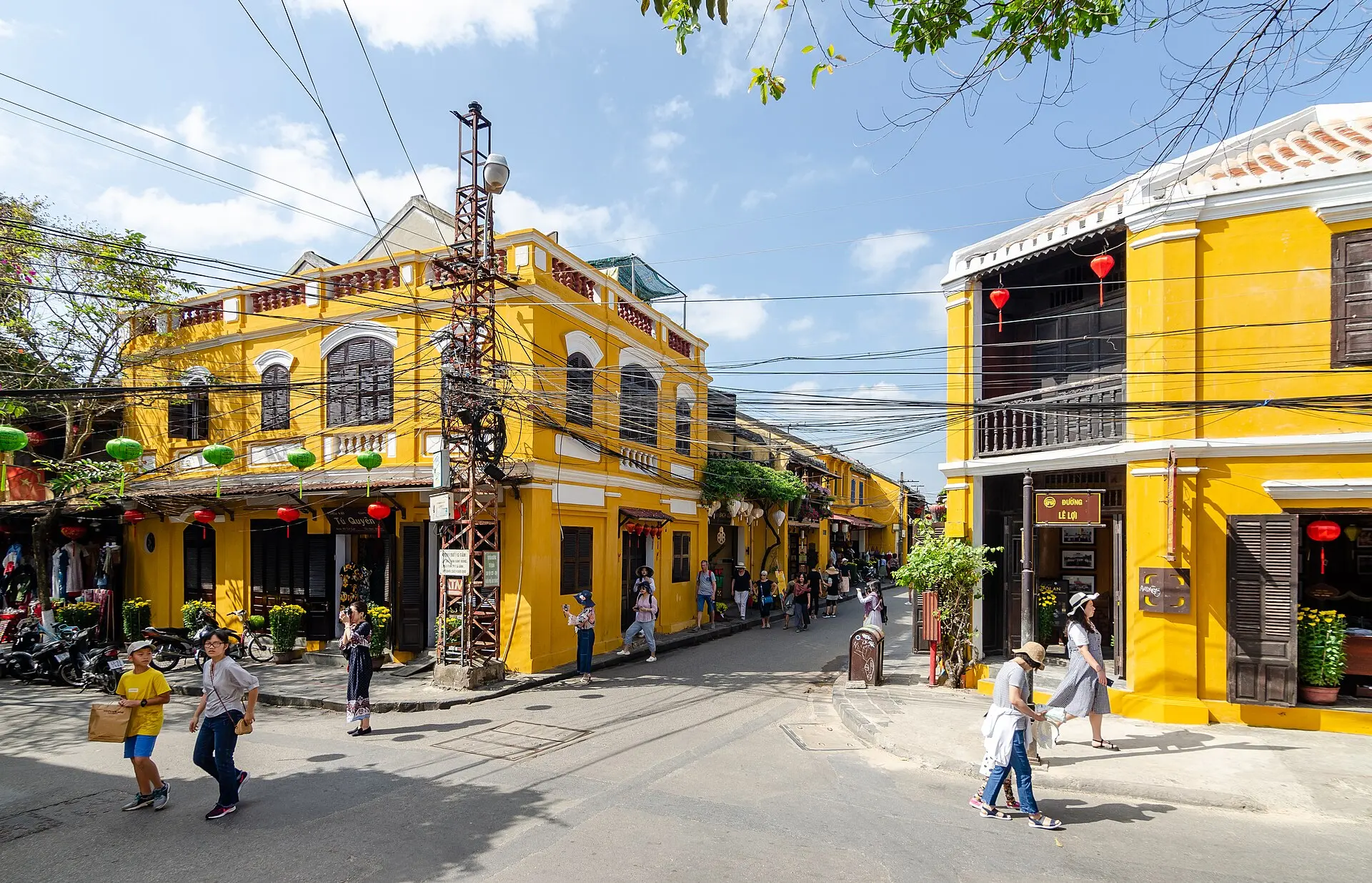
From the 15th to the 19th century, Hội An, then known as Faifo, was an international trading port. Merchants from China, Japan, Portugal, and the Netherlands traded silk, porcelain, spices, and cinnamon here. Chinese families founded assembly halls, and the Japanese built their own settlement. When the river silted up and Đà Nẵng became the most important port, the town fell into obscurity – a stroke of luck, because it meant the old wooden houses were preserved almost unchanged. In 1999, UNESCO added the old town to its World Heritage list. Since 2025, Hội An has been administratively part of Đà Nẵng, and the old town now forms Hội An Ward.
Sights in Hội An
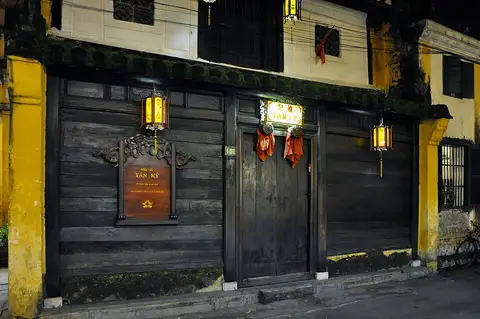
The town's landmark is the Japanese Covered Bridge from the early 17th century, with a small temple built into the bridge; it was extensively restored a few years ago. With a combination ticket, you can visit several buildings: old merchant houses such as Tấn Ký and Phùng Hưng with dark wooden beams and courtyards, the Chinese assembly halls of the Fujian and Cantonese communities with dragon fountains and hanging incense coils, and small museums on ceramics and trading history. The Central Market by the river is liveliest in the morning. In the evening, when the old town is closed to motorbikes, small boats with lanterns glide across the river, and children sell candles in paper boats. The full-moon evening each month, with its lantern festival, is especially beautiful.
Tailors, Lanterns, and Crafts
Hội An is famous for its tailors, who make custom suits, dresses, and coats within one to two days. It's best to allow time for a fitting. Just as well known are the lantern workshops, where silk is stretched over bamboo frames; some offer classes. In the village of Thanh Hà, pottery has been made for centuries, in the vegetable village of Trà Quế, families grow herbs in beds fertilized with seaweed, and in the Cẩm Thanh coconut palm forest, visitors paddle through the water palms in round basket boats.
Eating in Hội An
The town has its own signature dishes. Cao lầu, thick noodles with pork and herbs, is said to get its characteristic chewiness only when made with water from one particular old well. Mì Quảng, hoành thánh (fried wontons), and the dish known as "white rose," delicate dumplings filled with shrimp, are also part of the repertoire. Many consider Hội An's bánh mì the best in the country. In the evening, the night market on An Hội island offers grilled skewers and fruit shakes. Restaurants in Hội An also offer plenty of cooking classes, often including a market visit.
Getting There, Beaches, and Best Time to Visit
The nearest airport is Đà Nẵng, about 30 kilometers (19 miles) to the north; taxis and shuttles take around 45 minutes. In Hội An itself, you get around on foot or by bike, and many accommodations rent bicycles. The beaches of An Bàng and Cửa Đại lie five kilometers (3 miles) away, and day trips lead to the temple complex of Mỹ Sơn or to the Cù Lao Chàm Islands for snorkeling. The best time to visit is from February to May, when it is warm and dry. From October to December, typhoons and flooding are a risk – the river can then flood the old town.