Discover Đà Nẵng: Beaches, Bridges, and Marble Mountains
Travel guide · editorialA miles-long sandy beach on your doorstep, mountains at your back, and a river where a dragon breathes fire every weekend evening: Đà Nẵng is Vietnam's most laid-back big city. A vacation in Đà Nẵng pairs perfectly with Hội An, Huế, and the Marble Mountains.
From the Port of Tourane to Boomtown
The Bay of Đà Nẵng was already an important anchorage for the Cham, and in the 19th century it was where the French troops who colonized Vietnam came ashore. Under the name Tourane, the city became a port and trading center. In 1965, the first U.S. combat troops landed on the beach at Đà Nẵng, and the airport became one of the largest military bases of the war. Since the 2000s, the city has developed into a showcase for Vietnam, with clean streets, new bridges, and beachfront hotels. In 2025, Quảng Nam Province was merged into the city, which means Hội An now also belongs to Đà Nẵng administratively.
Sights in Đà Nẵng
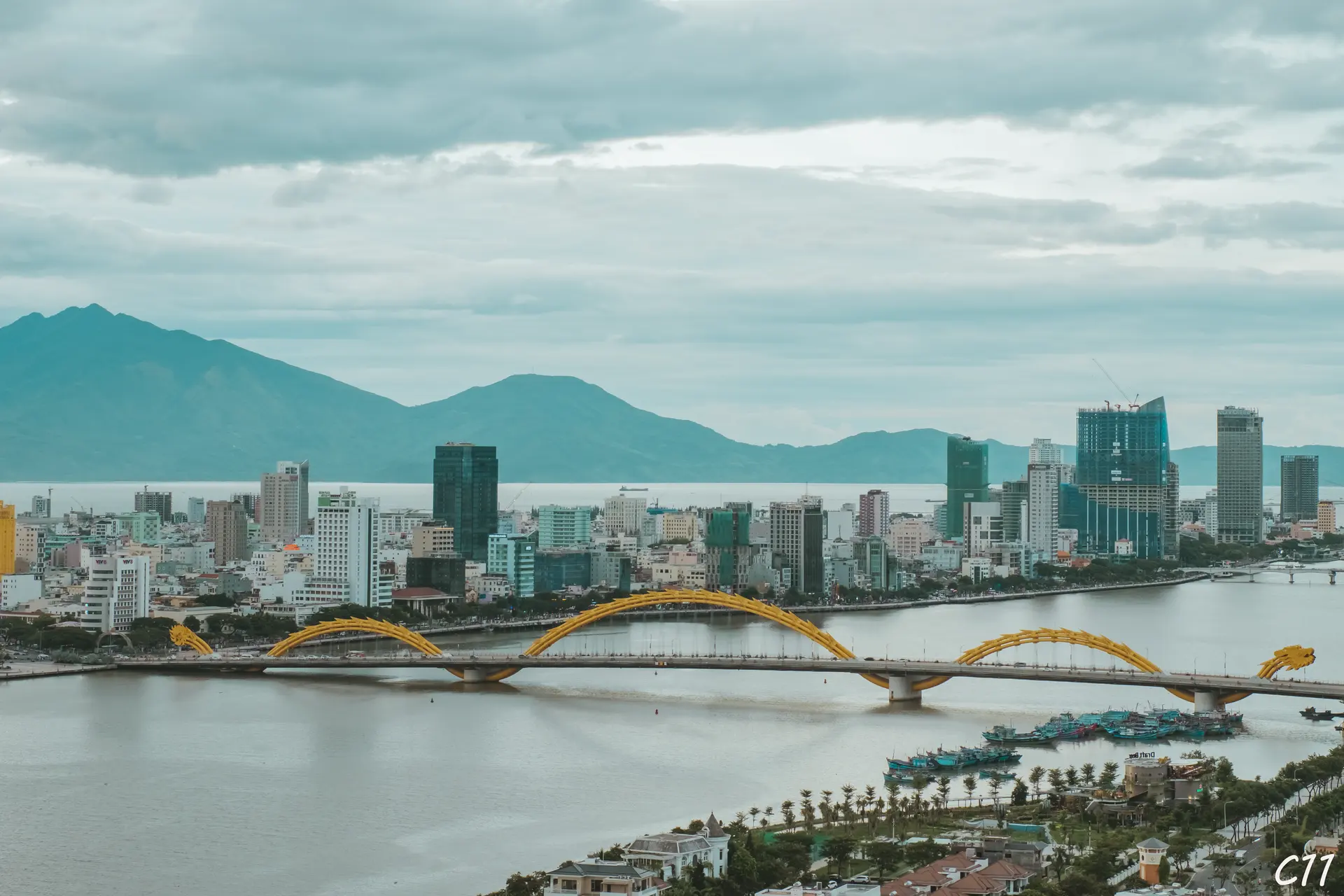
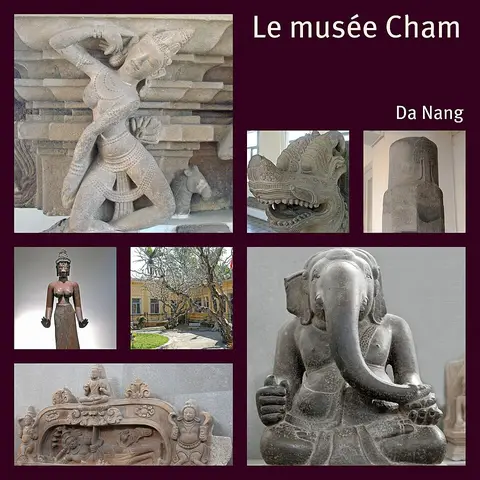
The city's landmark is the Dragon Bridge over the Hàn River, whose dragon head spits fire and water on weekend evenings. Nearby are the Sông Hàn Swing Bridge and the Bridge of Love. On the western bank, in the Hải Châu district, the Museum of Cham Sculpture holds the world's largest collection of stone figures from this Hindu culture. The pink cathedral, nicknamed the "Chicken Church" for its weathercock, and the Hàn Market are just a few steps away. In the northeast, the Sơn Trà Peninsula juts into the sea, with the Linh Ứng Pagoda and a 67-meter-tall statue of the goddess Quan Âm, as well as forests that are home to rare douc langurs. To the south, in Ngũ Hành Sơn, rise the Marble Mountains, five limestone hills with caves, pagodas, and viewpoints.
Beaches from An Hải to Non Nước
Mỹ Khê Beach stretches for many miles along the An Hải and Sơn Trà districts; early in the morning, locals swim here while fishermen haul their round basket boats ashore. Farther south, Mỹ Khê and Bắc Mỹ An give way to the quieter Non Nước Beach, home to large resorts. Surfers find good waves from October to February. Along the beachfront Võ Nguyên Giáp Street, public stretches with showers and lounge chairs alternate with hotel beaches and small parks. In the late afternoon, when the sun disappears behind the mountains, the locals arrive: people play volleyball, kids build sandcastles, and vendors sell grilled corn and coconuts. The water quality is considered good, but you should still watch for red flags, as currents can be strong.
Eating in Đà Nẵng
The local specialty is Mì Quảng, wide yellow rice noodles served with just a little broth, shrimp, pork, peanuts, and rice crackers. Equally typical is bánh tráng cuốn thịt heo, pork and herbs rolled in rice paper and served with a robust anchovy sauce. On An Hải beach, large seafood restaurants serve fresh catch that you pick out yourself from the tank. The Cồn Market in Hải Châu is ideal for trying bánh xèo, bún chả cá, and sweet chè.
Nightlife and Festivals
Nightlife centers on the riverfront and the streets behind Mỹ Khê Beach, with rooftop bars, craft beer spots, and the Sơn Trà Night Market. If you'd rather wind down quietly, grab a seat at one of the cafés along the Hải Châu riverfront and watch the illuminated bridges. The highlight is the international Fireworks Festival, which usually brings teams from around the world to the Hàn River over several evenings in June and July.
Getting Around, Best Time to Visit, and Day Trips
The international airport is only a few miles from the center, with direct flights from many Asian cities. Taxis and Grab are inexpensive, and rental scooters are popular. The train station is centrally located on the north–south line; the train ride along the coast to Huế is one of the most scenic rail journeys in the country. The best time for the beach is from February to August; from September to December, typhoons and heavy rain are a risk. Popular day trips head to the Bà Nà Hills with its cable car and the Golden Bridge held up by giant stone hands, over the Hải Vân Pass to Huế, to Hội An, and to the temple complex of Mỹ Sơn.