Discover Ho Chi Minh City: Mopeds, Markets, and Saigon Flair
Travel guide · editorialAn endless stream of mopeds, street food stalls on every corner, and French colonial facades between glass towers: Ho Chi Minh City, the old Saigon, is the engine of Vietnam. A city trip to Ho Chi Minh City is loud, hot, and incredibly delicious – and it combines well with the Mekong Delta and the coast.
From Prey Nokor to Economic Metropolis
The site was originally a Khmer settlement called Prey Nokor; in the 17th century, Vietnamese settlers took control. From 1859, the French made Saigon the capital of their colony of Cochinchina and laid out wide boulevards, villas, and public buildings. After 1954, Saigon was the capital of South Vietnam, until North Vietnamese tanks crashed through the gates of the Presidential Palace on April 30, 1975. A year later the city was renamed for Ho Chi Minh, though in everyday speech many people still say "Sài Gòn." Since the economic opening that began in 1986, it has been Vietnam's most important commercial and financial center. With the 2025 administrative reform, the provinces of Bình Dương and Bà Rịa–Vũng Tàu were merged into the city, the urban districts were abolished and replaced by new Phường (wards) – so some names on maps and signs are changing right now.
Sights in Ho Chi Minh City
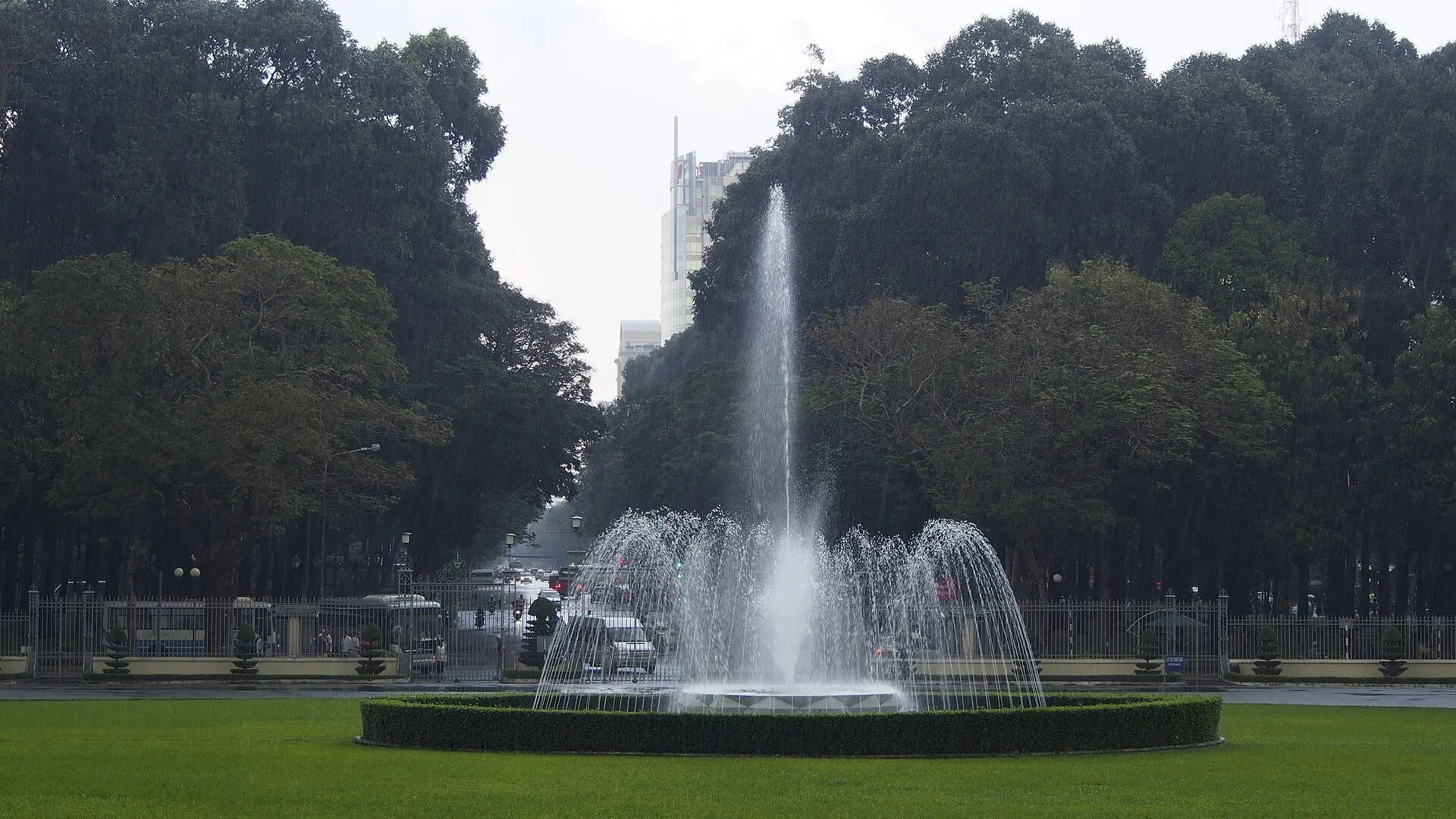
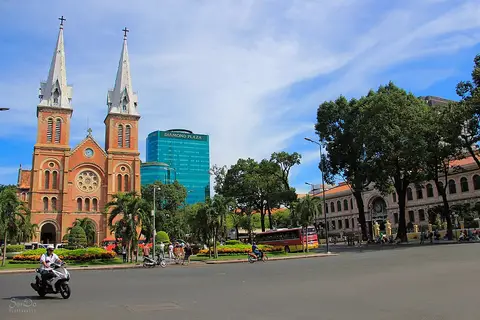
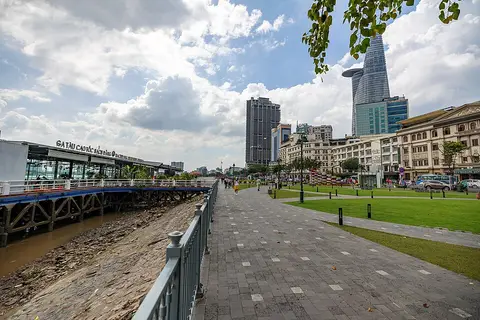
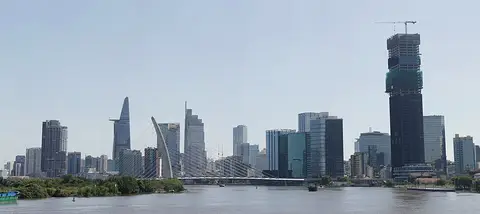
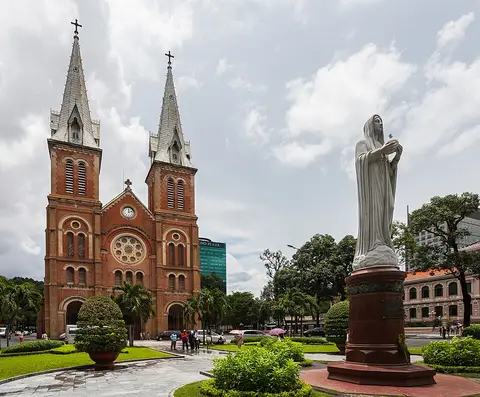
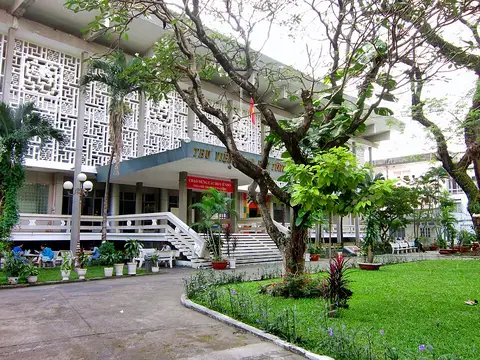
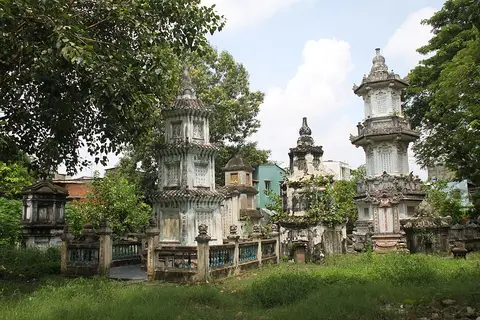
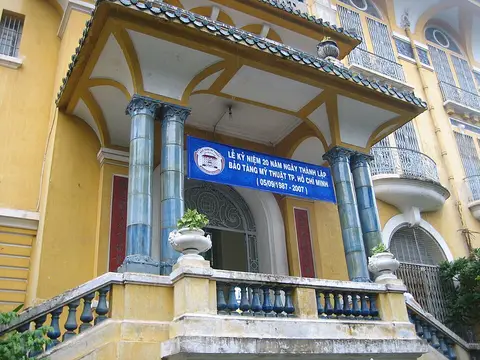
In the center, the former District 1 and now Phường Sài Gòn and Bến Thành, the classics are packed close together. Notre-Dame Cathedral, built of red bricks shipped from Marseille, stands next to the Central Post Office, whose hall is attributed to Gustave Eiffel's workshop. The Opera House on Đồng Khởi, the Second Empire-style City Hall, and the Nguyễn Huệ pedestrian street showcase the colonial legacy. The Independence Palace is preserved as it was in 1975, including the command bunker. The War Remnants Museum, with photos and documents on the Vietnam War, is oppressive and important. Places of calm include the Jade Emperor Pagoda with its wooden figures and the Botanical Garden with its zoo. For views, head up the Bitexco Financial Tower or Landmark 81, one of the tallest buildings in Southeast Asia. Art lovers can visit the Museum of Fine Arts in a yellow colonial villa on the edge of the center, the City Museum in the former Governor's Palace, or the small Museum of Traditional Medicine, which tells the story of herbs, roots, and acupuncture in a replica of an old wooden house. On the Saigon River, an evening trip on the water bus is worthwhile; it departs from the Bạch Đằng pier upriver toward Thủ Đức and shows the skyline from the water.
Neighborhoods from Chợ Lớn to Thảo Điền
West of the center lies Chợ Lớn, the Chinese quarter, with the Bình Tây Market, herbal pharmacies, and assembly halls such as the Thiên Hậu Pagoda, where spirals of incense hang from the ceiling. Around the Bến Thành Market and the backpacker street Bùi Viện, things are busy day and night. Opposite, across the river, Thủ Thiêm has emerged with new high-rises and parks. In the former District 2, Thảo Điền has developed into the expat neighborhood with cafés, galleries, and boutiques, while Phú Mỹ Hưng in the south, now part of Tân Hưng, feels almost planned with its wide streets and Korean restaurants. In the old District 3 around Hòa Hưng and Xuân Hòa, you'll find villas, noodle shops, and the pink-painted Tân Định Church.
Eating in Ho Chi Minh City
In Saigon, people eat mostly on the street, at any time of day. Cơm tấm, broken rice with grilled pork chop and a fried egg, is the typical Saigon breakfast. Add Hủ tiếu, a noodle soup with Chinese-Khmer roots, Bánh xèo, crispy pancakes with shrimp, and of course Bánh mì in countless variations. In the evening, friends meet for Ốc, sea snails prepared every which way, sitting on plastic stools on the sidewalk. Coffee is served strong, with sweetened condensed milk and over ice – Cà phê sữa đá. Markets with a wide selection of food stalls include Bến Thành and the Bàn Cờ Market in the old District 3.
Nightlife and Culture
Ho Chi Minh City goes to bed late. Rooftop bars above the Saigon River, craft beer breweries, and cocktail bars in old apartment buildings like the Café Apartment on Nguyễn Huệ shape the nightlife. On Bùi Viện, music blares from open-air bars. Quieter evenings can be spent at a traditional water puppet show or a bamboo acrobatics show at the Opera House. The most important festival is Tết, the Lunar New Year between late January and mid-February, when Nguyễn Huệ Street turns into a flower street and many residents travel to their home villages.
Getting Around Ho Chi Minh City
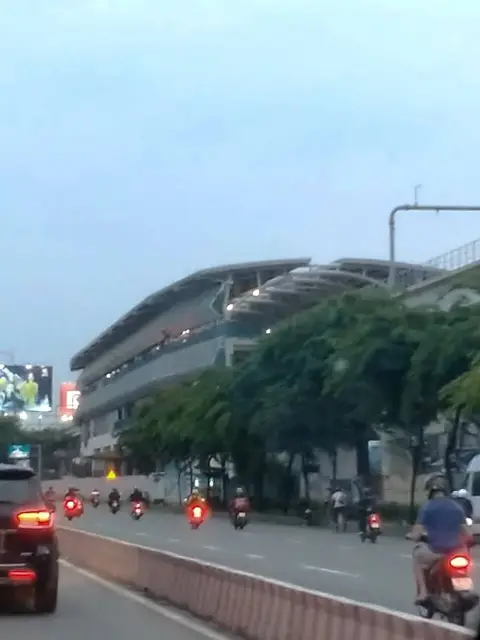
Tân Sơn Nhất Airport lies in the middle of the city; depending on traffic, it takes 30 to 60 minutes to reach the center; buses and ride-hailing services like Grab are cheap. The new Long Thành mega-airport east of the city is due to begin operations in stages. Long-distance trains heading north depart from Sài Gòn Station, and buses to all parts of the country leave from the large bus stations on the city outskirts. Since late 2024, the first metro line has run from the Bến Thành Market eastward toward Thủ Đức. For short distances, motorbike taxis booked by app are the fastest choice. When crossing the street, one simple rule helps: walk at a steady pace and don't suddenly stop.
Best Time to Visit and Day Trips
The climate is tropically hot year-round. The best time to visit is the dry season from December to April; from May to November, heavy showers usually fall in the afternoon, but they rarely last long. Popular day trips lead to the Củ Chi Tunnels, to the Mekong Delta at Mỹ Tho or Bến Tre, to the Cao Đài Temple in Tây Ninh, and to the coast at Vũng Tàu, which has been part of the city itself since 2025.