Discover Đồng Nai: Biên Hòa, River Islands and Rainforest
Travel guide · editorialJust beyond Ho Chi Minh City lies Đồng Nai, one of Vietnam's economic powerhouse provinces. A trip to Đồng Nai takes you to the old city of Biên Hòa on the river of the same name, to quarries and ceramics workshops, and all the way into the rainforest of Cát Tiên.
Biên Hòa: The South's Oldest City
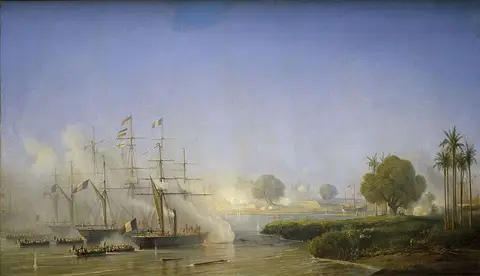
Biên Hòa, the provincial capital, was founded in the late 17th century by Vietnamese and Chinese settlers and is considered one of the oldest cities in the south. The island of Cù Lao Phố in the Đồng Nai River was a major trading port back then, long before Saigon took over that role. In 1715, the Văn Miếu Trấn Biên was built here, the first Temple of Literature in the south, which honors Confucius and great scholars in the style of Hanoi's temple; it was rebuilt in the 1990s. Since the administrative reform of 2025, Biên Hòa has been divided into several wards (phường), including Trấn Biên, Tam Hiệp and Long Bình, and Bình Phước Province has been merged into the province.
Sights in Đồng Nai
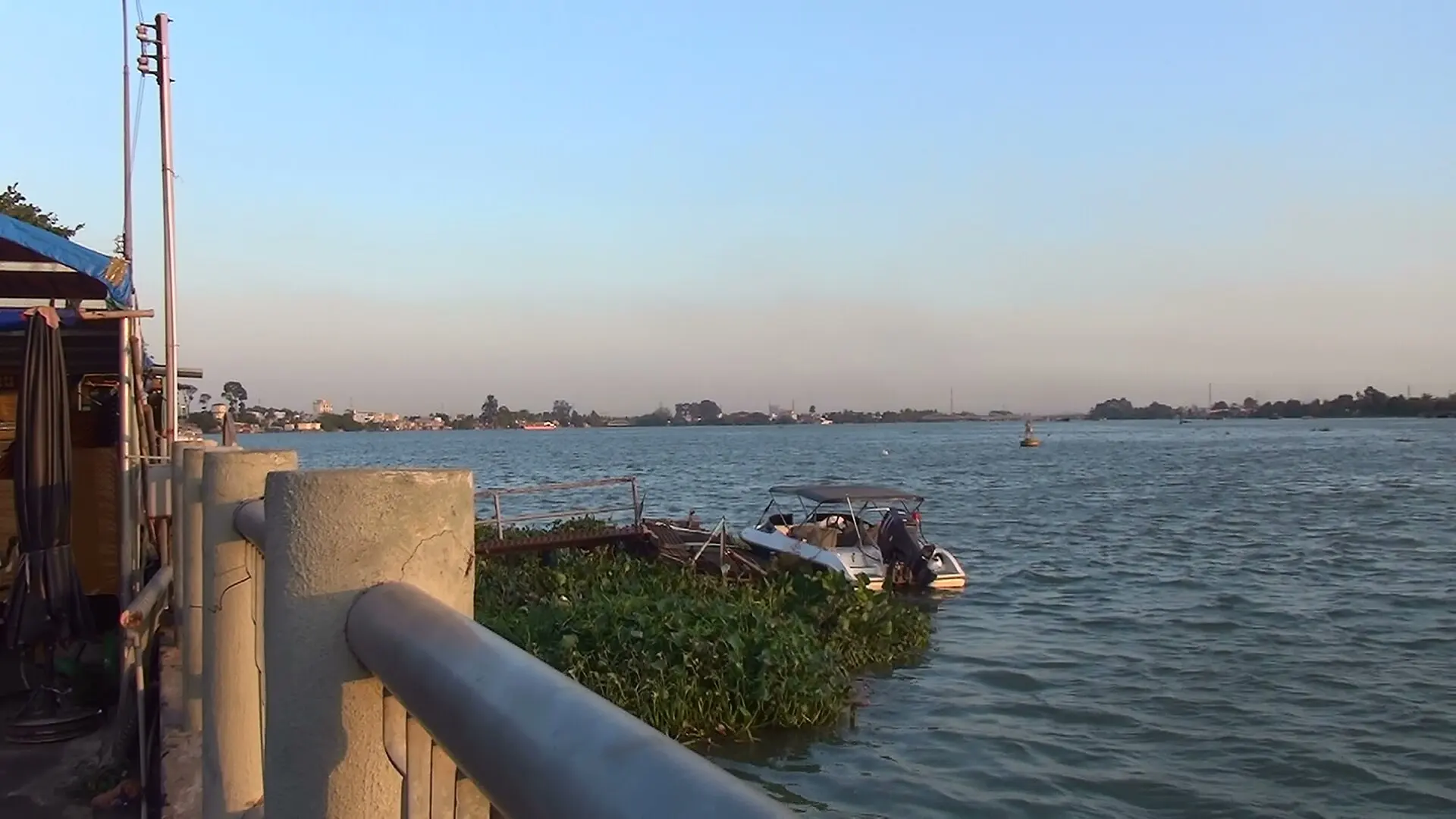
Cù Lao Phố is home to Chùa Ông Temple, one of the oldest Chinese assembly halls in Vietnam. A promenade along the riverbank invites you to take a stroll, and in the evening the breeze off the water brings welcome cooling. An unusual excursion is Bửu Long, a former quarry that has been transformed into a landscape park with a turquoise lake, pagodas and rock formations; locals like to call it the "little Ha Long Bay." Biên Hòa is also known for its ceramics: the workshops, whose glazes and patterns developed under French influence, are famous well beyond the region. To the east lies Trảng Bom with its fruit orchards.
Nature: Cát Tiên National Park
In the north of the province lies Cát Tiên National Park, one of Vietnam's most important lowland rainforest areas. Gibbons, douc langurs, crocodiles in Crocodile Lake and hundreds of bird species live here. The bear rescue station and primate center offer insights into wildlife conservation. You stay in simple accommodations by the river, where guided hikes and night drives depart. The Trị An Reservoir is also a popular weekend destination, with islands, fish farms and restaurants serving fresh fish from the lake. If you have time, continue to the north of the province, where rubber, cashew and pepper plantations dominate the landscape and small villages of the Stiêng and Mạ ethnic groups preserve their culture.
Eating in Đồng Nai
The cuisine is typical of southern Vietnam, with plenty of fruit and river fish. Well known are Bưởi Tân Triều, sweet pomelos from the orchards around Tân Triều that are given as gifts as a local specialty, as well as dishes made with wild plants from the highlands. The markets of Biên Hòa offer hủ tiếu, bánh canh and fish from the river. Thanks to the large number of foreign workers, Korean, Japanese and Taiwanese restaurants have opened in the industrial districts.
Getting There and Best Time to Visit
Biên Hòa is about 19 miles (30 km) from Ho Chi Minh City and is easily reached via expressway and National Route 1. Tân Sơn Nhất Airport is the nearest; the new Long Thành International Airport is under construction in the south of the province. Trains on the North-South line stop in Biên Hòa. The best time to visit is the dry season from December to April; for Cát Tiên, the months from January to April are especially good, when animals are easier to spot.