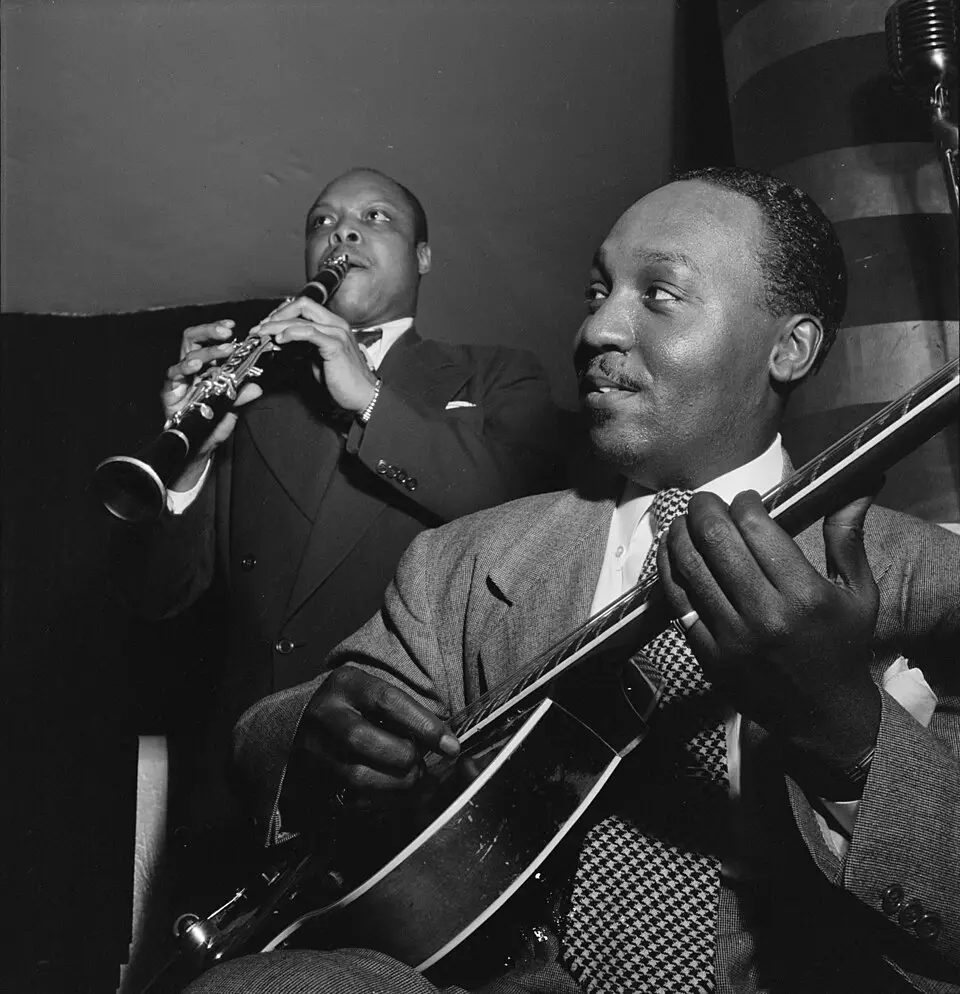
About Cafe Society
Café Society was a historically significant jazz club in New York City that opened in Greenwich Village in December 1938. Its founder, Barney Josephson, who grew up in New Jersey as the son of Latvian immigrants, wanted to create a place that rejected the racial segregation then common on the nightclub scene. With borrowed capital, he opened the club in a basement space on Sheridan Square, making it the first establishment in a white residential neighborhood where both the performers and the audience were racially mixed. The club's name was a mocking nod to the elite society that the press called "café society," and its slogan, "The wrong place for the Right people," was a deliberate jab at the conservative establishment.
The interior was decorated with murals by well-known Greenwich Village artists, while John Hammond served as musical adviser. Because business in the Village was initially disappointing, Josephson opened a second location in 1940 on the more affluent East 58th Street, called Café Society Uptown. Both clubs became important stages for a wide range of musical styles, including jazz, blues, rhythm and blues, gospel, and folk. Prominent artists who made their debuts there or performed regularly included Billie Holiday, Lena Horne, Sarah Vaughan, Leadbelly, Big Joe Turner, and jazz greats such as Art Tatum, Coleman Hawkins, and Django Reinhardt. Comedians and dancers also contributed to the varied program.
The club became especially famous as one of the venues where jazz singer Billie Holiday performed. Her signature song was "Strange Fruit," a haunting indictment of lynching, which she regularly performed at the end of her shows at Josephson's request. The audience was often moved into quiet reflection. In the 1940s, Café Society was also a gathering place for left-wing political activists. After a negative press campaign linked to the political involvement of the founder's brother, attendance dropped. As a result, the Uptown location had to close at the end of 1947 and the Downtown club in 1950.
At a glance
- Category
- Sight › Historic sites
- Rating
- no reviews yet · write a review
- Address
- 1 Sheridan Sq
10014-6825 New York, USA - District
- Manhattan
- Phone
- —
- Website
- —
- —
- Coordinates
- 40.73277° N · -74.00184° E
- Data quality
- confidence 0.96
- Identifier
- ID 12bbb38e-7a0…
Location & surroundings
Toggle layersFAQ about Cafe Society
quick answersWhat is Café Society in New York?
Café Society was a historically significant jazz club in New York that opened in December 1938 in a basement space on Sheridan Square in Greenwich Village. Its founder, Barney Josephson, the son of Latvian immigrants from New Jersey, deliberately rejected the racial segregation that was standard in nightclubs at the time. Café Society is considered the first establishment in a white residential neighborhood where both the performers and the audience were racially mixed. The historic site is located at 1 Sheridan Sq in Manhattan.
Which famous artists performed at Café Society in New York?
Billie Holiday, Lena Horne, Sarah Vaughan, Leadbelly, and Big Joe Turner, among others, made their debuts or performed regularly at Café Society in New York. They were joined by jazz greats such as Art Tatum, Coleman Hawkins, and Django Reinhardt, as well as comedians and dancers. Billie Holiday became especially well known there for "Strange Fruit," an indictment of lynching that she regularly sang at the end of her sets at Barney Josephson's request. The club's musical adviser was John Hammond.
What does the name Café Society mean, and what was the club's motto?
The name of the Café Society jazz club in New York was a mocking nod to the elite social set that the press of the day called "café society." The slogan "The wrong place for the Right people" was a deliberate jab at the conservative establishment. The décor made a statement as well: it was defined by murals painted by well-known Greenwich Village artists.
Why did Café Society in New York close?
Café Society in New York closed after a negative press campaign, linked to the political activism of founder Barney Josephson's brother, drove down attendance. In the 1940s the club was also a gathering place for left-wing political activists. The second location, Café Society Uptown on East 58th Street, which opened in 1940, closed at the end of 1947, and the original Café Society Downtown on Sheridan Square closed in 1950.
What can you see around Café Society in New York?
Several attractions are within walking distance of the former Café Society on Sheridan Square in Manhattan. travelguide195 lists the Stonewall National Monument about 100 meters away, the Gay Liberation Monument about 105 meters away, and the Stonewall National Monument Visitor Center about 116 meters away. The Hess Triangle is roughly 134 meters away. Within a 500-meter radius, travelguide195 also lists around 727 restaurants.
Ratings & comments
none yetNear Cafe Society
closest 5 per category · 2 kmSights
Restaurants
Museums
Hotels
More:Historic sites in New York (3,728)Sights in Manhattan (2,358)All sights in New York (4,021)
300 places within 2 km loaded.
Don't miss in New York
All sights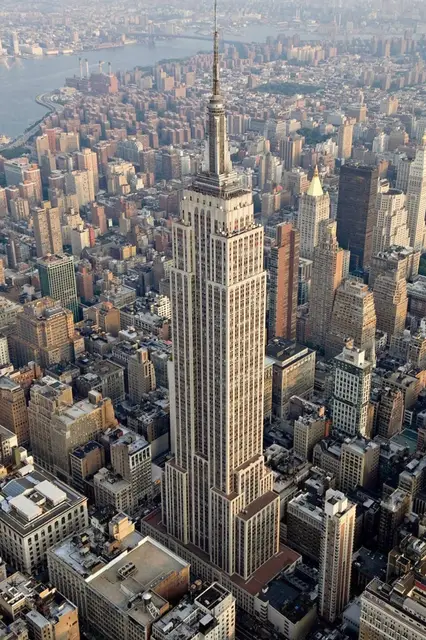 Historic sites01
Empire State Building
20 W 34th St · New York● Website○ Phone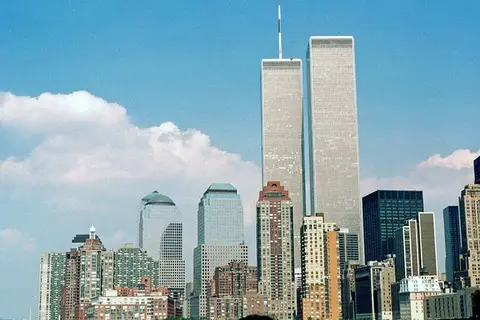 Monuments02
9/11 World Trade Center Memorial Monument
180 Greenwich St · New York○ Website● Phone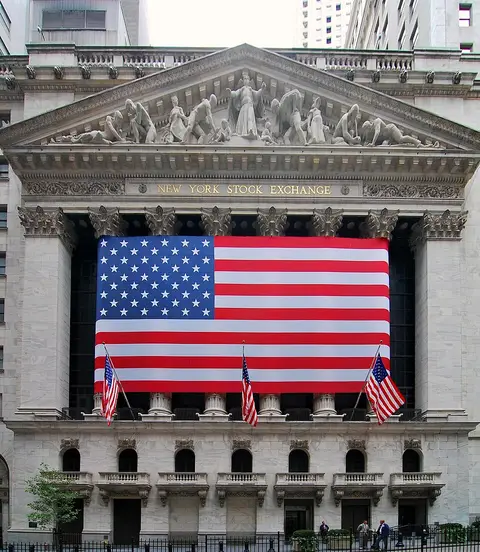 Historic sites03
New York Stock Exchange
11 Wall St · New York● Website● Phone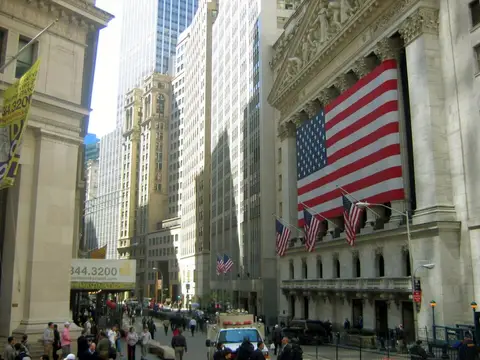 Historic sites04
You need a free account to leave reviews and photos – that keeps comments genuine and lets you edit them later.