About Gay Liberation Monument
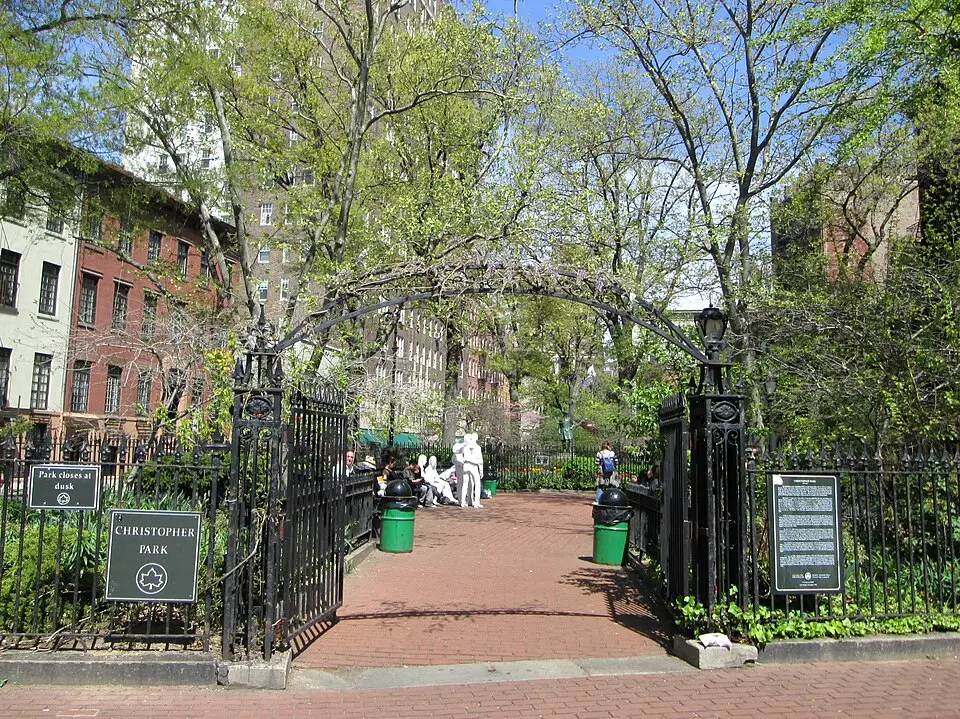
The Gay Liberation Monument is a significant memorial in Christopher Park in New York's West Village, standing directly across from the Stonewall Inn on Christopher Street. It was created by the American artist George Segal and officially unveiled on June 23, 1992, as part of the dedication of the Stonewall National Monument. As the first public artwork explicitly dedicated to the rights and solidarity of the LGBTQ community, it also honors the group's ongoing struggles. The sculpture shows two life-size couples, cast in bronze and painted white, tenderly embracing. One couple, two men, stands, while the other, two women, sits. This depiction was commissioned in 1979 by the Mildred Andrews Foundation, with the stipulation that it show love, caring, and the equal representation of men and women in a public setting.
The historic significance of the site is closely tied to the Stonewall uprising of 1969, which is considered a turning point in the history of the gay liberation movement. Christopher Park was already an important gathering place for the community before those events. The history of the monument itself, however, is marked by controversy and vandalism. The original plan was to produce two cast versions, one to be installed in New York and the other in Los Angeles. When funding in New York fell through and the installation in Los Angeles was rejected, one version was initially placed at Stanford University. There the work was repeatedly and severely damaged, which pointed to the lack of safety for LGBTQ people on university campuses. Another cast version stood for a time in Madison, Wisconsin, before being brought to New York in 1992.
Despite its peaceful and intimate depiction, which Segal described as an expression of tenderness and empathy, the monument has drawn criticism. Some voices complain that the four white figures do not adequately reflect the diverse makeup of the activists at the time, including many Black and gender-nonconforming people such as Marsha P. Johnson. Others argue that the calm scene does not fully capture the revolutionary and turbulent character of the Stonewall riots. Even so, the monument remains a central place of remembrance, symbolizing the history of LGBTQ rights in New York City and around the world.
At a glance
- Category
- Sight › Monuments
- Rating
- no reviews yet · write a review
- Address
- Christopher Street, 204 W 4th St
10014 New York, USA - District
- Manhattan
- Phone
- +12126399675
- Website
- www.nycgovparks.org
- andre@christopherpark.org
- Coordinates
- 40.73355° N · -74.00254° E
- Data quality
- confidence 0.96
- Identifier
- ID 7bd8619a-805…
Location & surroundings
Toggle layersFAQ about Gay Liberation Monument
quick answersWhat is the Gay Liberation Monument in New York?
The Gay Liberation Monument is a sculpture by American artist George Segal in Christopher Park in Manhattan's West Village, New York. It is considered the first public artwork explicitly dedicated to the rights and solidarity of the LGBTQ community. The sculpture shows two life-size couples, cast in bronze and painted white: two men standing and two women seated, each couple tenderly embracing. The monument was officially unveiled on June 23, 1992.
Where exactly is the Gay Liberation Monument located, and why there?
The Gay Liberation Monument stands in Christopher Park on Christopher Street (address: 204 W 4th St) in Manhattan, New York, directly across from the Stonewall Inn. The site is closely tied to the 1969 Stonewall uprising, which is considered a turning point for the gay liberation movement. Even before those events, Christopher Park was an important gathering place for the community.
What is the history behind the Gay Liberation Monument?
The Gay Liberation Monument was commissioned in 1979 by the Mildred Andrews Foundation, with the stipulation that it show love, caring, and equal representation of men and women in public space. Two castings were planned, for New York and Los Angeles, but funding in New York fell through and Los Angeles declined to install its piece. One casting therefore went first to Stanford University, where it was seriously damaged several times. Another casting stood for a time in Madison, Wisconsin, before it was brought to New York in 1992.
Why is the Gay Liberation Monument criticized?
The main criticism of the Gay Liberation Monument in New York is that the four white figures do not reflect the diversity of the activists of the time. Many of them were Black and gender-nonconforming people such as Marsha P. Johnson. Others object that the calm scene, which George Segal described as an expression of tenderness and empathy, fails to capture the turbulent character of the Stonewall uprising. Even so, the monument remains a central site of remembrance for LGBTQ history.
What can you see around the Gay Liberation Monument?
Around the Gay Liberation Monument in New York's West Village, several attractions are just a few steps away. According to travelguide195, the Stonewall National Monument is about 13 meters away, the Stonewall National Monument Visitor Center about 48 meters, and the Hess Triangle about 44 meters. Also nearby are the Thomas Paine Plaque (about 80 meters), Cafe Society (about 105 meters), and the Lorraine Hansberry House (about 147 meters). For a break, travelguide195 lists around 680 restaurants within 500 meters.
Ratings & comments
none yetNear Gay Liberation Monument
closest 5 per category · 2 kmSights
Restaurants
Museums
Hotels
More:Monuments in New York (227)Sights in Manhattan (2,358)All sights in New York (4,021)
300 places within 2 km loaded.
Don't miss in New York
All sights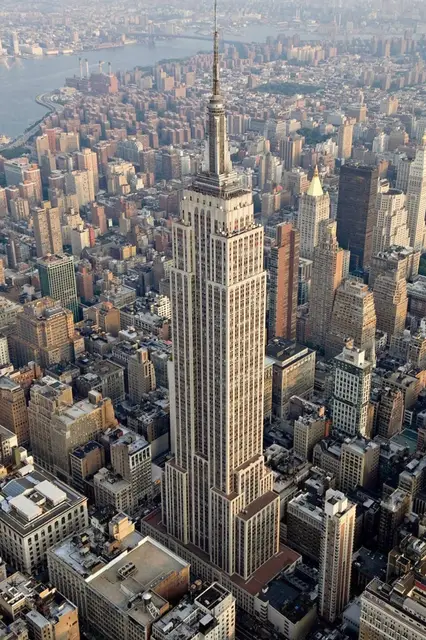 Historic sites01
Empire State Building
20 W 34th St · New York● Website○ Phone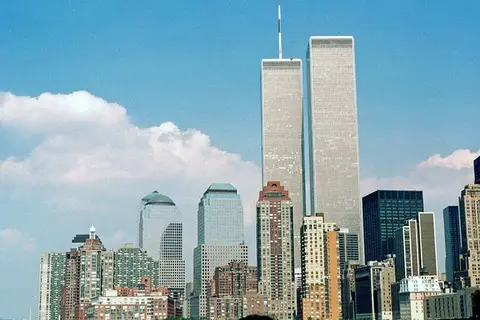 Monuments02
9/11 World Trade Center Memorial Monument
180 Greenwich St · New York○ Website● Phone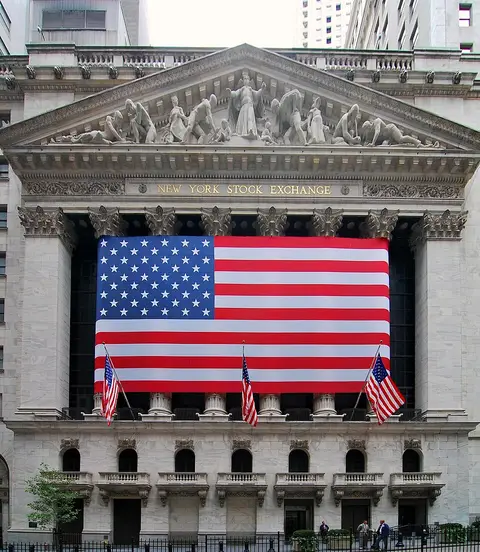 Historic sites03
New York Stock Exchange
11 Wall St · New York● Website● Phone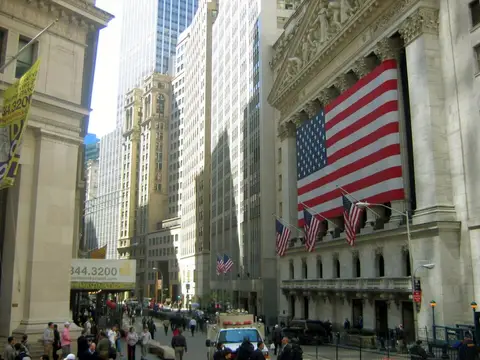 Historic sites04
You need a free account to leave reviews and photos – that keeps comments genuine and lets you edit them later.
A monument featuring the sculpture Gay Liberation by American artist George Segal at the northern end of the park. The art installation commemorates the Stonewall riots and features four figures (two standing men and two seated women) positioned in "natural, easy" poses. The bronze statues are covered in white lacquer, cast in 1980 from plaster moulds of human models. Two "World's Fair-style" benches and a plaque are also part of the monument. The monument was dedicated on June 23, 1992, and is part of the Stonewall National Monument.
Source: Wikivoyage, „LGBT New York City“ · authors per page history · CC BY-SA 4.0 · as of 5/24/2020