Discover Durham: Tobacco Factories, Duke, and Bull City
Travel guide · editorialA water tower bearing the Lucky Strike logo still rises above the brick warehouses where billions of cigarettes were once rolled. A trip to Durham shows how a tobacco town became a center for research, medicine, and great food – with a Gothic university chapel, baseball, and plenty of Southern charm.
From Bull Durham to Science City
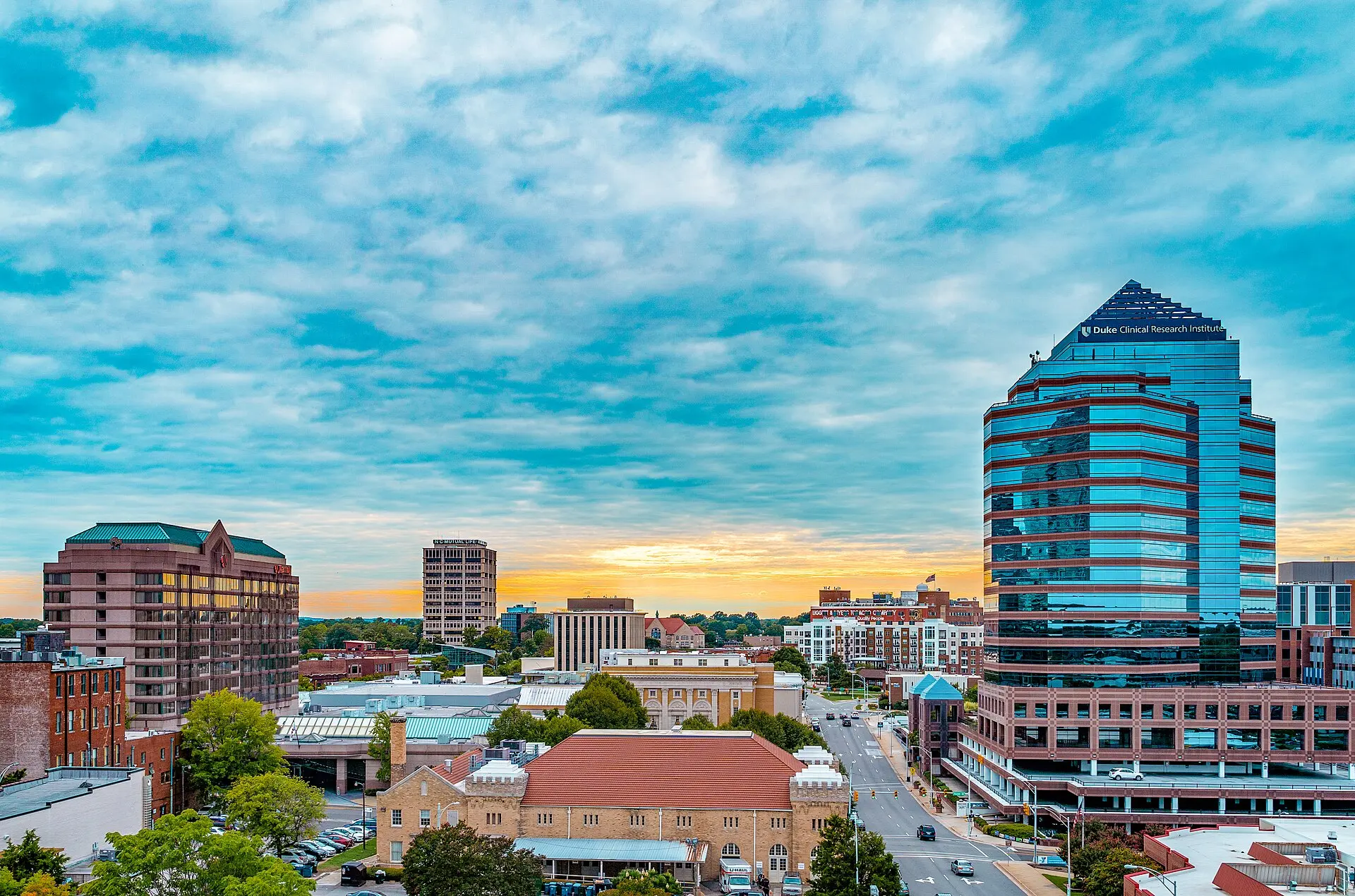
After the Civil War, the "Bull Durham" tobacco brand put the city on the map, which is where the nickname Bull City comes from. The Duke family built an empire with the American Tobacco Company and provided the funds to turn Trinity College into Duke University. At the same time, Parrish Street became a hub of Black-owned businesses, known as "Black Wall Street." When the tobacco industry disappeared, the university, hospitals, and the Research Triangle Park between Durham, Raleigh, and Chapel Hill took over as the economic engine.
Sights in Durham
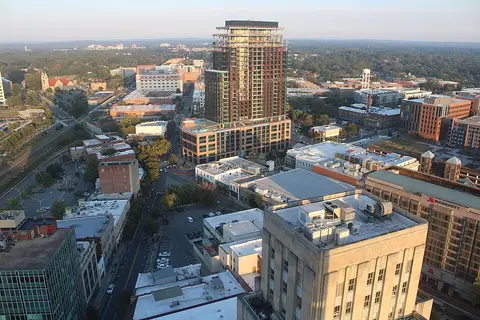
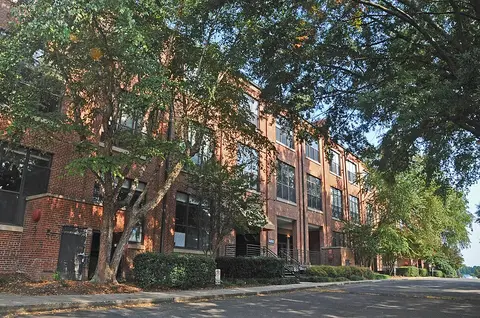
Duke Chapel, with its neo-Gothic tower, is the focal point of the campus, and the Sarah P. Duke Gardens are among the most beautiful gardens in the Southeast. The Nasher Museum of Art showcases modern and contemporary art. The Duke Lemur Center is home to the largest colony of lemurs outside Madagascar. In downtown Durham, the old tobacco factories of the American Tobacco Campus and Brightleaf Square have been converted into restaurants, offices, and shops. The Durham Performing Arts Center brings Broadway productions to town, and the Durham Bulls Athletic Park is home to the minor-league team made famous by the film "Bull Durham." The Museum of Life and Science, with its butterfly house, delights families.
Eating and Going Out in Durham
Durham's restaurant scene regularly earns praise nationwide. Alongside eastern North Carolina-style barbecue with vinegar sauce, you'll find creative Southern cooking, bakeries, ramen shops, and taquerias. Bars, breweries, and coffee roasters cluster around Main Street, Rigsbee Avenue, and the area near the old freight depot. The Old West Durham neighborhood on Ninth Street is home to many students, and the atmosphere is relaxed accordingly. On Saturdays, the Durham Farmers' Market in Central Park sells regional produce.
Film, Dance, and Music
Durham has a vibrant cultural scene. The Full Frame Documentary Film Festival in spring is one of the most important documentary film festivals in the US, and in summer the American Dance Festival brings dance companies from around the world to the city. The Carolina Theatre, a movie house and concert hall dating from 1926, shows art-house films and hosts concerts. The clubs along Rigsbee Avenue feature indie music. The Hayti Heritage Center commemorates the Black neighborhood of the same name, which was largely demolished in the 1960s to make way for highway construction.
Getting Around Durham and the Best Time to Visit
Raleigh-Durham Airport is about 20 minutes to the east. Amtrak connects Durham with Raleigh, Charlotte, and New York, and the city's GoDurham buses are free. The best times to visit are spring, when the Duke Gardens are in bloom, and fall. Day trips lead to Chapel Hill, the university town with historic Franklin Street, to Raleigh with its free museums, to Eno River State Park, or to the Atlantic coast of the Outer Banks.