Discover Raleigh: Museums, Oaks and Barbecue
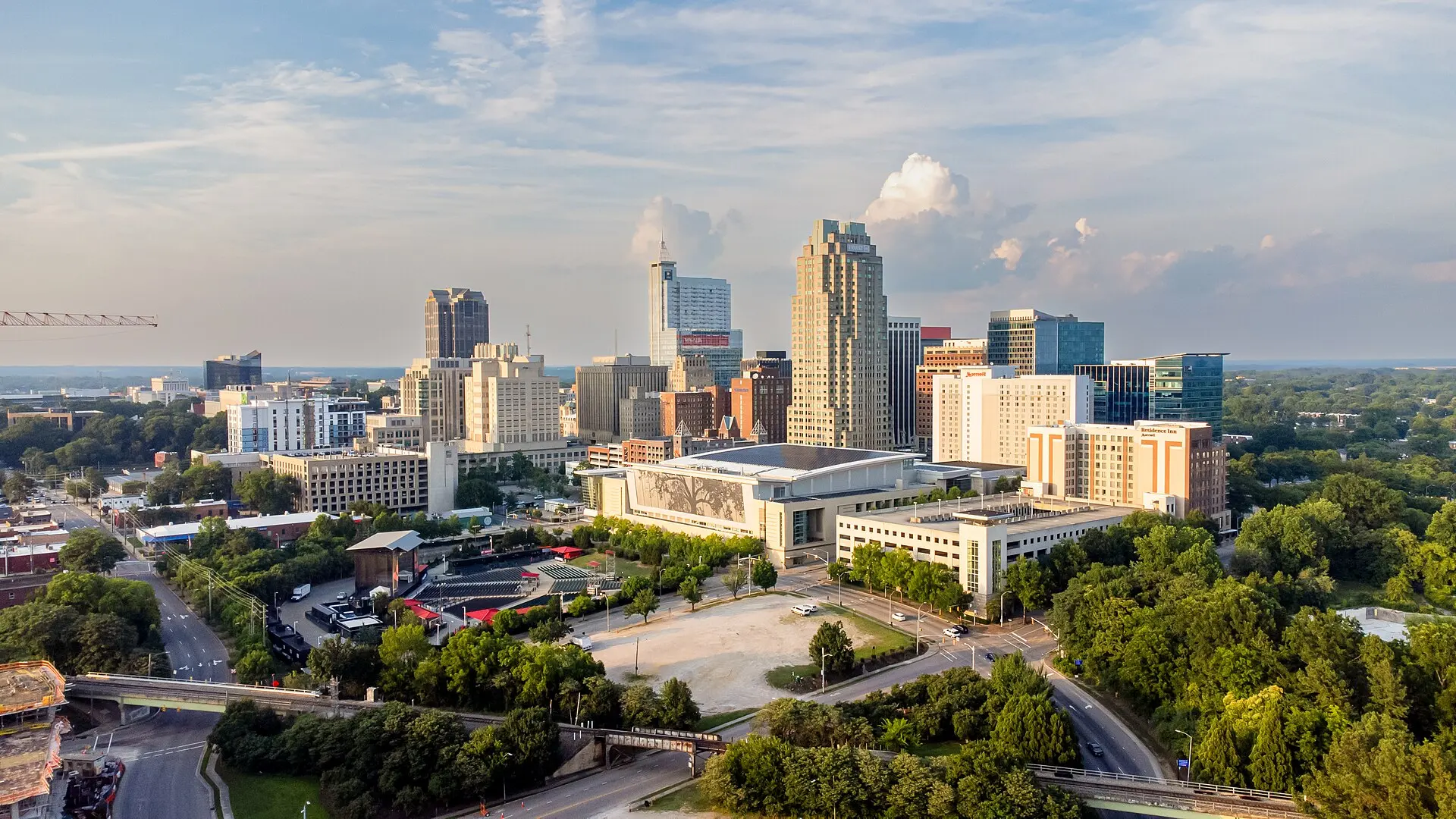
Travel guide · editorialBeneath towering oaks you'll find government buildings, museums and beer gardens – Raleigh has earned its nickname, the "City of Oaks." A trip to Raleigh takes you to a young, growing capital with first-rate museums that are free to enter, lively neighborhoods and North Carolina's signature barbecue. For a relaxed city break in the southeastern U.S., ideally combined with Durham and Chapel Hill, Raleigh is a pleasant choice.
A Planned Capital
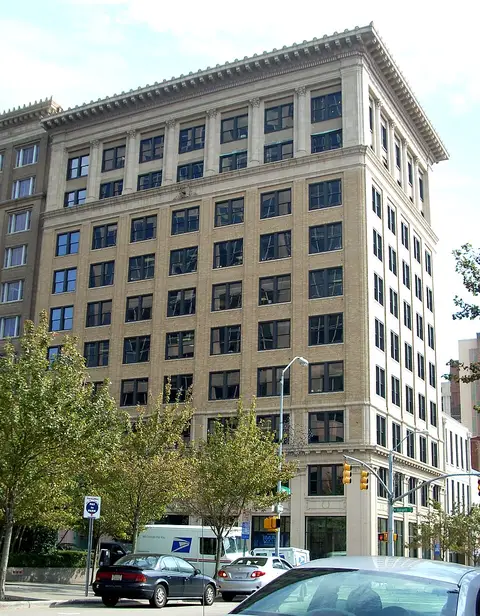
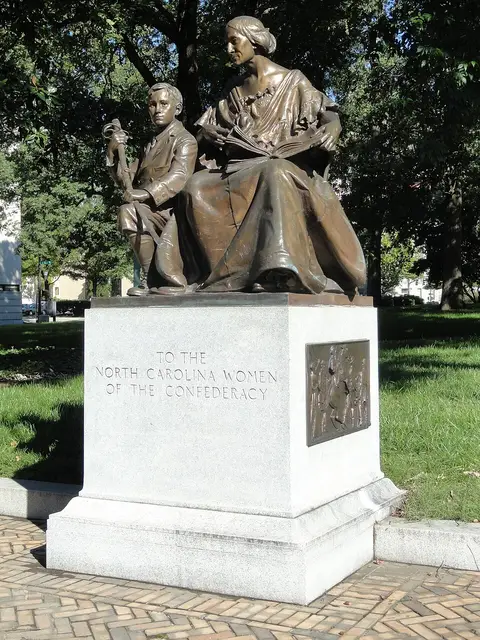
Raleigh was founded in 1792 specifically to serve as North Carolina's capital and was named after Sir Walter Raleigh, who in the 16th century financed the first English colony in America, on Roanoke Island. The city plan with its five squares dates back to that era. The Greek Revival State Capitol was built in 1840. In the 1950s, Research Triangle Park was created between Raleigh, Durham and Chapel Hill, one of the largest research parks in the world, supported by North Carolina State University, Duke and the University of North Carolina. The region has been growing rapidly ever since.
Sights and Museums in Raleigh
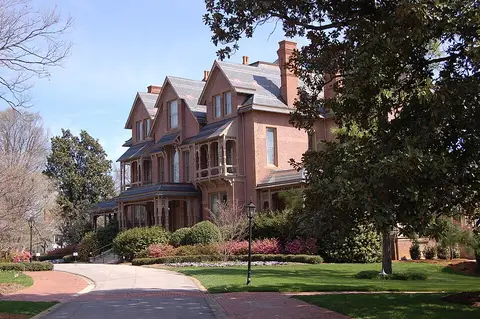
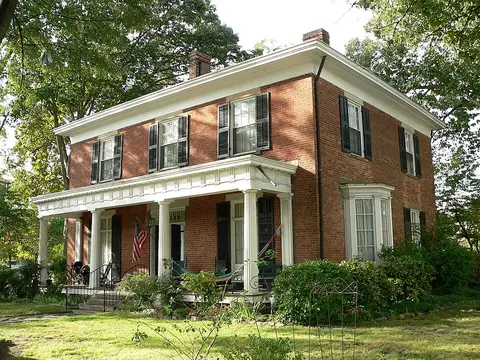
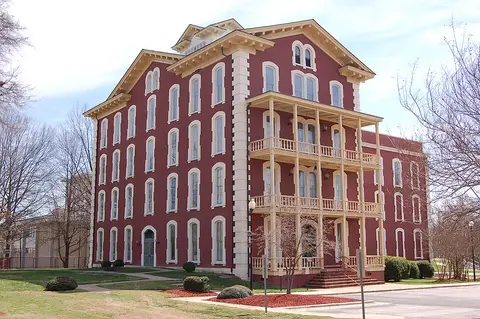
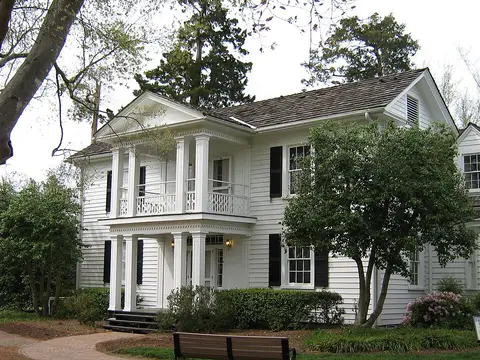
Several major museums in Raleigh are free. The North Carolina Museum of Natural Sciences, with a giant globe as its research center, displays dinosaur skeletons and live animals, while the North Carolina Museum of History tells the story of the state. Just outside the center is the North Carolina Museum of Art, with an expansive sculpture park and an open-air stage for summer concerts. The State Capitol, Mordecai Historic Park with the birthplace of President Andrew Johnson, and the Oakwood neighborhood with its Victorian houses showcase the city's history. Pullen Park, one of the oldest amusement parks in the U.S., has a historic carousel and a miniature train.
Neighborhoods and Food in Raleigh
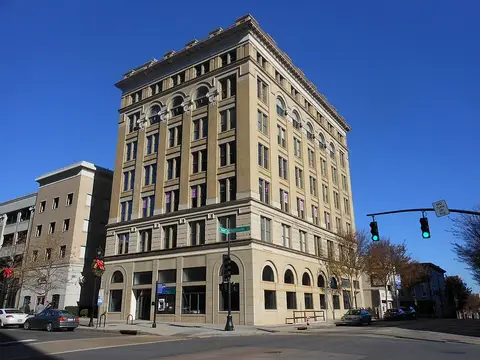
Downtown is divided into several districts: Fayetteville Street with theaters and plazas, Glenwood South with bars and nightlife, the Warehouse District with restaurants in old warehouses, and City Market with its cobblestone streets. Moore Square is a popular gathering spot. Restaurants in Raleigh take pride in Eastern-style barbecue: pulled pork from the whole hog with a vinegar-pepper sauce, served with hushpuppies and coleslaw. Biscuits for breakfast, fried chicken and sweet potato pie are also part of the Southern cuisine. The city has a lively craft beer scene, and many breweries offer beer gardens under shade trees.
Outdoors in Raleigh
A network of more than 110 miles of greenways runs through Raleigh, ideal for bike rides and walks along creeks and through woods. Dorothea Dix Park, a huge expanse of land overlooking downtown, is a popular photo spot in summer thanks to its fields of sunflowers. The JC Raulston Arboretum at NC State University is home to plants from around the world, and you can paddle on Lake Johnson and Lake Wheeler. In the evening, locals gather on patios and in beer gardens downtown.
Getting Around, When to Go and Day Trips
Raleigh-Durham International Airport lies between the two cities, about 20 minutes from downtown. GoRaleigh buses and a free downtown circulator serve the city, but a car makes sense for exploring the surrounding area. The best times to visit are spring, when dogwoods and azaleas bloom, and fall; the North Carolina State Fair takes place in October. Summers are hot and humid. Day trips lead to Durham with the Duke University campus and Duke Gardens, to Chapel Hill, to William B. Umstead State Park with its hiking trails, and to the beaches of the Outer Banks, about a three-hour drive to the east.