Discover Charleston: Rainbow Row, the Lowcountry, and Oysters
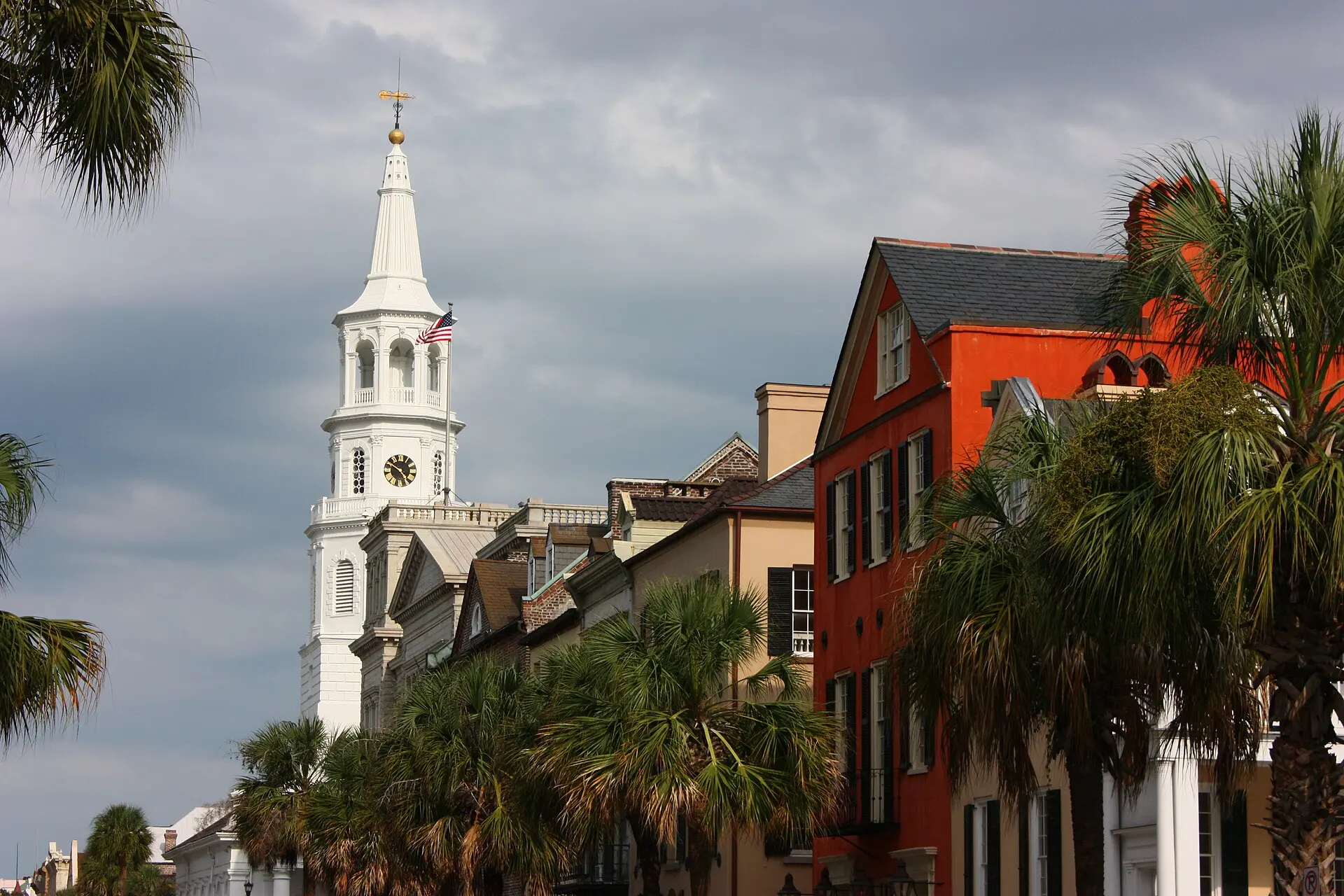
Travel guide · editorialPastel-colored houses along the harbor, church steeples, gas lanterns, and cobblestone streets: Few American cities have preserved as much of their past. A vacation in Charleston, South Carolina's "Holy City," combines 18th-century architecture with outstanding Southern cooking, beaches, and a history that doesn't shy away from its darker chapters.
Wealth, Slavery, and the Civil War
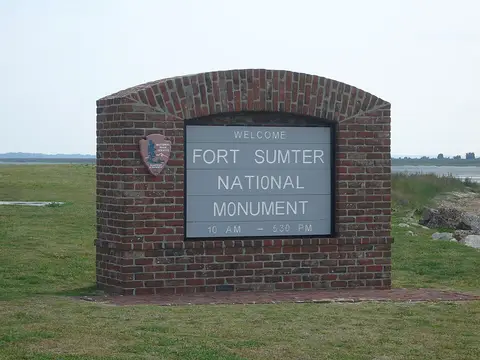
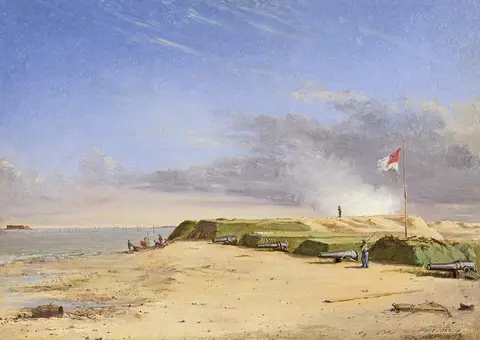
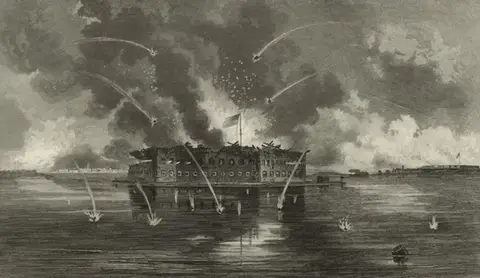
Founded by English colonists in 1670 and named after King Charles II, Charles Town grew into one of the wealthiest cities in North America thanks to its rice and indigo plantations. That prosperity rested on the labor of enslaved people—a large share of the Africans forcibly brought to North America arrived through Charleston. In 1861, the first shots of the Civil War were fired at Fort Sumter, at the mouth of the harbor. Earthquakes, fires, and hurricanes struck the city again and again, but residents pushed for historic preservation early on: in 1931, Charleston became the first U.S. city to adopt an ordinance protecting historic districts.
Charleston Sights
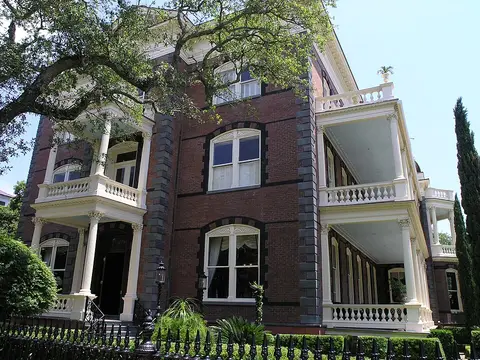
Rainbow Row on East Bay Street is the most photographed spot in town, and The Battery with White Point Garden is the classic waterfront stroll. In the French Quarter and along Church Street, you'll find churches and houses from the colonial era; the Single Houses with their side porches, known as piazzas, are typical of the city. The International African American Museum at Gadsden's Wharf, where slave ships once docked, tells the story of the forced deportation of Africans and its consequences. Ferries take visitors to Fort Sumter. Outside the city are plantations such as Middleton Place, Magnolia, and McLeod, which increasingly address the lives of the enslaved as well.
Eating in Charleston: Lowcountry Cuisine
Charleston ranks among the best restaurant cities in the U.S. Classics include shrimp and grits, she-crab soup made with crab roe, Hoppin' John with rice and black-eyed peas, and Lowcountry boil with shrimp, corn, sausage, and potatoes. Gullah traditions of the descendants of enslaved people still shape the cuisine today. In fall and winter, locals celebrate with oyster roasts. King Street is the main drag for shopping and nightlife, with bars, rooftops, and cocktail lounges; in the historic City Market, Gullah women sell woven sweetgrass baskets.
Neighborhoods and Islands Around Charleston
Besides the historic downtown, other neighborhoods are worth a detour: Upper King, in the north of the peninsula, is the stomping ground of young bars and restaurants, while Harleston Village around Colonial Lake is quieter. Across the striking Arthur Ravenel Jr. Bridge, a cable-stayed bridge you can also cross on foot, you reach Mount Pleasant and the USS Yorktown, an aircraft carrier turned museum, at Patriots Point. On the Sea Islands live the Gullah Geechee, whose language and culture have West African roots. Fort Moultrie on Sullivan's Island commemorates the Revolutionary War.
Getting Around Charleston and the Best Time to Visit
Charleston International Airport is in North Charleston, about 20 minutes from the historic downtown. The peninsula is easy to explore on foot, by bike, or on the free DASH shuttles. The best times to visit are spring, with blooming azaleas and the Spoleto Festival USA arts festival from late May to June, and fall. Summer is muggy, and hurricane season threatens from June to November. Beaches such as Folly Beach, Isle of Palms, and Sullivan's Island are within a half-hour's reach.