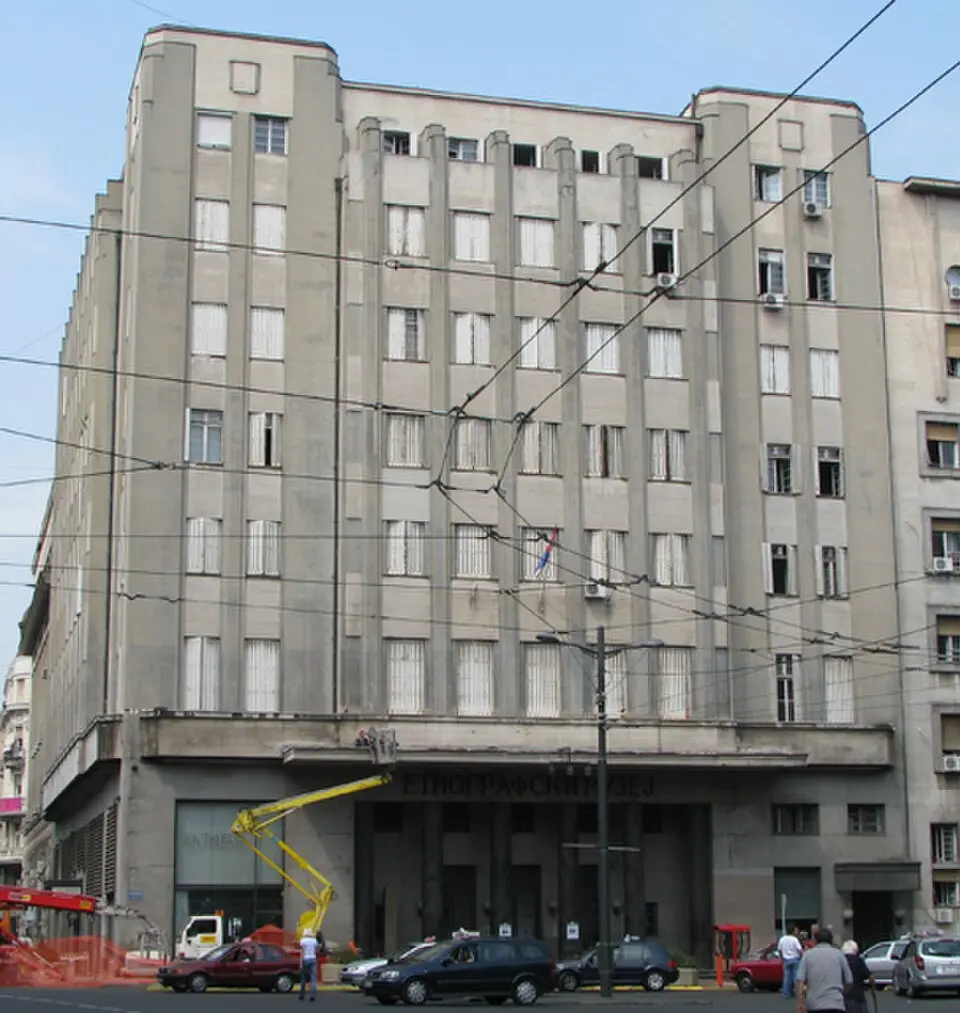
About Ethnographic Museum
Founded in 1901, the Ethnographic Museum in Belgrade is one of Serbia's oldest cultural institutions. Its roots, however, go back to the mid-19th century, when the first ethnographic objects were collected at the National Museum. An important impetus for the systematic cataloging of these cultural treasures came from a Slavic congress in Moscow in 1867, which spurred scholarly research in the region. After years of debate within the Serbian Learned Society, the idea of a museum of its own was finally realized in 1901. The collection, which at first comprised only a few hundred objects, grew rapidly under the direction of Sima Trojanović and quickly expanded to cover the entire Balkan Peninsula, documenting not only Serbian traditions but also those of other ethnic groups in the region. Despite heavy losses during the world wars, the museum was able to rebuild its holdings, and to this day it carries out active research and publishes scholarly articles.
Today the museum is housed in an architecturally remarkable building at the corner of Studentski trg and Uzun Mirkova. This five-story high-rise was built in 1933 and 1934 to designs by the architect Aleksandar Đorđević as the former Belgrade Stock Exchange. Stylistically, the building represents mature Modernism with clear Art Deco influences, visible in its pronounced verticality. Originally designed for residential and commercial use, it served its intended purpose until World War II before being gradually converted for museum use. Since the 1950s, the building has been home to the collections of the Ethnographic Museum, and the historic facade and monumental entrance area were preserved during the alterations. Because of its architectural and historical value, the building was declared a cultural monument in 1984.
On the three levels of the permanent exhibition, you can gain a comprehensive insight into the material culture of the region. The exhibits are divided into themed groups such as furniture, jewelry, traditional costumes, folk architecture, and ritual objects. Besides the physical objects, the museum has one of the richest specialist libraries in the Balkans as well as a large conservation department that restores a wide variety of materials. The museum regularly organizes temporary exhibitions and also presents aspects of Serbia's intangible cultural heritage, making it a central place for studying and understanding the ethnological history of the 19th and 20th centuries.
At a glance
- Category
- Museum › Museums (general)
- Rating
- no reviews yet · write a review
- Address
- Studentski trg 13
11000 Belgrade, Serbia - Phone
- +381113281888
- Website
- www.instagram.com
- info@etnografskimuzej.rs
- Coordinates
- 44.81974° N · 20.45650° E
- Data quality
- confidence 1.00
- Identifier
- ID d0fbb846-aa0…
Part of the tour
Getting to Know Belgrade: Old Town, Fortress and Tesla →Location & surroundings
Toggle layersRatings & comments
none yetNear Ethnographic Museum
closest 5 per category · 2 kmSights
Restaurants
Museums
Hotels
More:All museums in Belgrade (87)
276 places within 2 km loaded.
You need a free account to leave reviews and photos – that keeps comments genuine and lets you edit them later.
Extensive display of Serbian costumes, tools, culture and everyday life in past centuries.
Source: Wikivoyage, „Belgrade“ · authors per page history · CC BY-SA 4.0 · as of 11/28/2025