Discover Tehuacán: Mineral Water, Mole de Caderas, Cacti
Travel guide · editorialAll across Mexico, Tehuacán is synonymous with mineral water – in some regions, sparkling water is still simply called "Tehuacán." But a trip to Tehuacán also leads into one of the most species-rich arid regions on Earth and to a feast that is served only in the fall.
Cradle of Corn
The Tehuacán Valley is one of the most important sites in the archaeology of the Americas: in the 1960s, researchers found some of the oldest known corncobs in caves in the area, providing evidence of the plant's early domestication. In pre-Hispanic times, Tehuacán was a center of the Popoloca and later the Nahua. The Spanish built churches and convents, in the 19th and 20th centuries the mineral springs turned the town into a spa resort, and bottling plants such as Peñafiel carried the name to every corner of the country. Today Tehuacán is also a center of the textile industry, especially for jeans.
Sights in Tehuacán
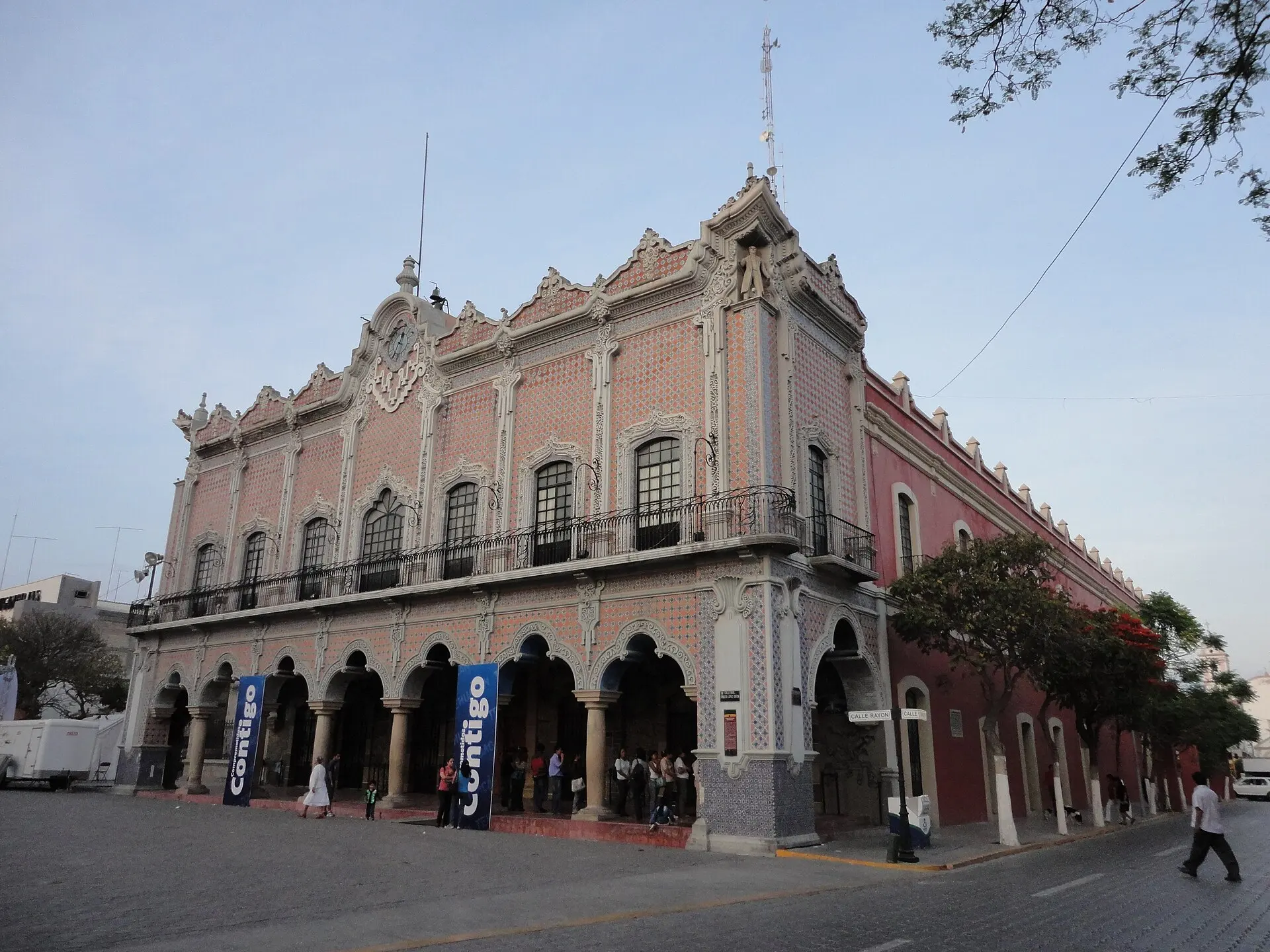
On the Zócalo, with its laurel trees, you'll find the Cathedral of Nuestra Señora de la Concepción and the Palacio Municipal. The El Carmen convent houses colonial-era art, and at the Museo del Valle de Tehuacán you can learn more about the finds that tell the history of corn. The former Hotel Spa Peñafiel, a magnificent building from the spa era, recalls the days when wealthy residents of the capital traveled here for the water cure. If you're looking for nature, head to the Tehuacán-Cuicatlán Biosphere Reserve, a UNESCO World Heritage Site since 2018. Entire forests of columnar cacti grow here, and at the Jardín Botánico Helia Bravo near Zapotitlán Salinas, trails wind between centuries-old cacti. The salt flats of Zapotitlán, where salt has been harvested since pre-Hispanic times, are also worth a visit.
Eating in Tehuacán: Mole de Caderas
Between October and November, the Matanza takes place, a centuries-old tradition: goats that have grazed on the highland pastures for months are slaughtered. The result is mole de caderas, a hearty broth made with hip bones, chile, guaje pods, and green beans, served only during this season. Year-round, you'll find chalupas, tamales, and dishes from Puebla's cuisine. The restaurants in Tehuacán are simple and family-run, and the market in the center is ideal for sampling.
Spa Heritage and City Life
Tehuacán's springs are still part of everyday life. In El Riego Park on the west side of town, water bubbles up from the ground, and families swim in the pools and picnic under old trees. Around the Zócalo, musicians play in the evening, and ice cream stands sell nieves in fruit flavors such as prickly pear or mamey. In neighborhoods like San Diego Chalma, formerly a village of its own, old chapels and festivals have been preserved. If you want to shop, you'll find inexpensive jeans at the textile factory outlets, and at the markets, onyx crafts from nearby Tecali and ceramics from the valley.
Getting There and Best Time to Visit
Tehuacán is about two hours southeast of Puebla on the highway toward Oaxaca. The nearest airport with regular service is in Puebla, though more often you'll fly in via Mexico City. Long-distance buses frequently run to Puebla, Mexico City, and Oaxaca. The best time to visit is between October and May: days are sunny and warm, nights cool. For food, fall during mole de caderas season is the most exciting time; for cactus blooms, spring is worth the trip.