
Discovering La Paz: The Malecón, Whale Sharks, and Balandra
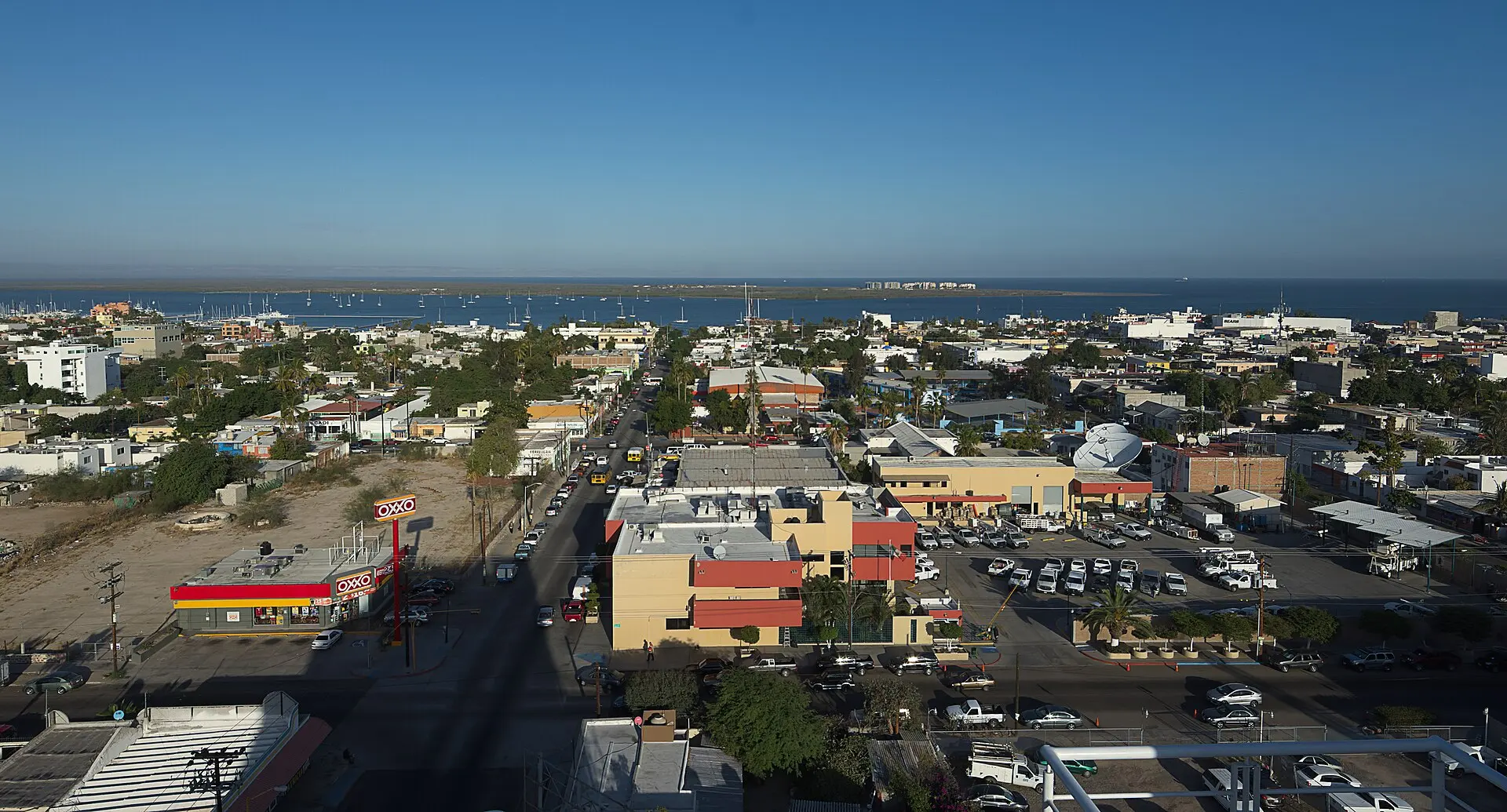
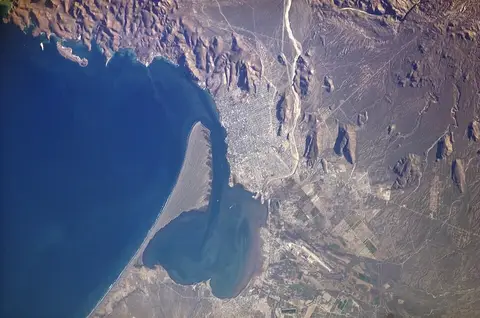
Travel guide · editorialA long Malecón where you can watch the sun set over the bay, whale sharks gliding through the water just off the city, and islands with sea lion colonies: La Paz, the capital of Baja California Sur, is quieter than Los Cabos and a destination for nature lovers. A trip here combines waterfront city life with some of the most beautiful beaches in Mexico.
Pearls and Pirates: The History of the Bay
Hernán Cortés landed in the bay in 1535, but a permanent settlement didn't take hold until 1720, with the founding of a Jesuit mission. For centuries, La Paz was famous for its pearls; pearl divers harvested oysters from the Gulf, and pirates preyed on passing ships. In the 1940s, disease largely wiped out the pearl beds. The writer John Steinbeck drew on this history for his novella "The Pearl." Since 1974, La Paz has been the capital of the then newly created state. Neighborhoods such as the Centro and El Esterito, near the Malecón, preserve the charm of the old port town.
Sights in La Paz
The Malecón stretches for several miles along the water, with sculptures, palm trees, and benches. At the heart of the city are the Nuestra Señora de La Paz Cathedral and the Jardín Velasco. The Museo Regional de Antropología e Historia displays rock art and artifacts from the peninsula's first inhabitants. About 15 miles (25 km) to the north lies Playa Balandra, a shallow bay with turquoise water and the rock formation El Hongo, which looks like a mushroom. Visitor numbers are limited, so you should arrive early. Also worth a visit are El Tecolote, with its beachfront restaurants, and Playa Pichilingue, near the ferry terminal. On the way there, you pass smaller coves such as El Coromuel, where families from the city swim on weekends.
Nature and Excursions at Sea
Just off La Paz lies Isla Espíritu Santo, part of a UNESCO World Heritage site, with red cliffs, coves, and a sea lion colony at Los Islotes, where you can snorkel alongside the animals. From about October to April, whale sharks gather in the bay; guided tours with strict rules let you swim with these gentle giants. In winter, gray whales arrive in the lagoons along the Pacific coast, for example at Bahía Magdalena. Divers prize the reefs and wrecks in the Gulf, which Jacques Cousteau once called the world's aquarium.
Food, Getting Around, and When to Go
The cuisine is built on the sea: fish tacos, almejas chocolatas (large chocolate clams, served grilled), ceviche, and callo de hacha (scallop). Along the Malecón and in the Centro you'll find restaurants and bars, and in the evening stands sell churros, elotes, and ice cream. If you get up early, you'll find fresh seafood straight from the boats at the fish market. Manuel Márquez de León Airport (LAP) is southwest of the city, and ferries connect Pichilingue with Mazatlán and Topolobampo. In town you can get around by bus or taxi; for the beaches, a rental car is a good idea. The best time to visit is between October and May; summers are hot, and hurricanes are a risk from August to October. La Paz is considered one of Mexico's safer cities.