Discover Cuernavaca: Eternal Spring Near the Capital
Travel guide · editorialJust over an hour's drive south of Mexico City, bougainvillea and jacarandas bloom year-round: Cuernavaca, the "City of Eternal Spring," has been a retreat for rulers, artists, and weekend visitors for centuries. For a trip to the highlands, the capital of Morelos offers gardens, history, and a pleasantly warm climate.
From Cuauhnáhuac to Imperial Retreat
The name comes from the Aztec Cuauhnáhuac, "at the edge of the forest," which the Spanish garbled into Cuernavaca. After the conquest, Hernán Cortés had a palace built here and planted sugarcane. In the 19th century, Emperor Maximilian of Habsburg chose Cuernavaca as his summer residence, and in the 20th century the city drew writers: Malcolm Lowry wrote his novel "Under the Volcano" here. During the Revolution, Morelos was the home of Emiliano Zapata, whose call for "Tierra y Libertad" (Land and Liberty) began here.
Sights in Cuernavaca
The 16th-century Palacio de Cortés is one of the oldest surviving colonial buildings in the Americas. Today it houses a museum, and on the loggia, murals by Diego Rivera depict the history of Morelos from the conquest to the Revolution. The Cathedral, a fortress-like monastery complex, is part of the UNESCO World Heritage site of the early monasteries on the slopes of Popocatépetl; inside, frescoes were discovered showing the martyrdom of missionaries in Japan. The Jardín Borda, a Baroque terraced garden with ponds, was Maximilian's favorite spot. In the Acapantzingo district stands his country house, now a museum of traditional medicine.
Language Schools, Culture, and Nightlife
Cuernavaca is one of the most popular destinations in Mexico for Spanish courses, and many language students stay with host families. This shapes the international atmosphere in the cafés and bars around the Zócalo and the Jardín Juárez. In a former monastery, the Museo Robert Brady displays the eclectic collection of an American artist, with works from around the world. On weekends, families from the capital arrive to relax in weekend homes with pools; in the evenings, the restaurants in neighborhoods like Tetela del Monte and Chamilpa fill up.
Eating in Cuernavaca
Morelos is known for its Cecina de Yecapixtla, salted, air-dried beef served with cream, cheese, and salsa. The markets offer tamales de frijol, quesadillas, and pozole. The warm climate helps fruits and vegetables thrive, and at the Mercado Adolfo López Mateos you'll find mangoes, avocados, and flowers. For dessert, nieves, handmade ice cream, are sold in unusual flavors. In the districts of Ocotepec and Tejalpa, residents celebrate the Día de Muertos with lavish altars that visitors are welcome to view.
Getting Around, When to Go, and Day Trips
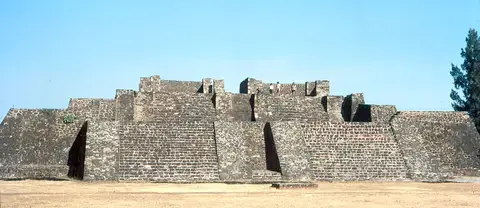
Most visitors arrive by highway from Mexico City; buses run regularly from the Taxqueña South Terminal and from MEX airport. The small Cuernavaca airport (CVJ) has hardly any scheduled flights. In the city, buses and taxis are available. Thanks to the mild climate, Cuernavaca is pleasant year-round, and loveliest from October to May. Day trips lead to the pyramid of Xochicalco, a UNESCO World Heritage site, to Tepoztlán with the pyramid on top of Tepozteco, and to Taxco, the silver city. Morelos has problems with crime; the situation in the center is mostly calm, but at night you should use taxis.