Discover Vilnius: Baroque, Spires and Užupis
Travel guide · editorialA self-proclaimed artists' republic with its own constitution, one of the largest Baroque old towns in Central Europe, and a church steeple in view almost everywhere you look: Vilnius is full of surprises. A city break in Vilnius takes you to the Lithuanian capital, where Catholic, Orthodox and Jewish history stand side by side and a young café and bar scene sets the tone.
Capital of a Great Empire
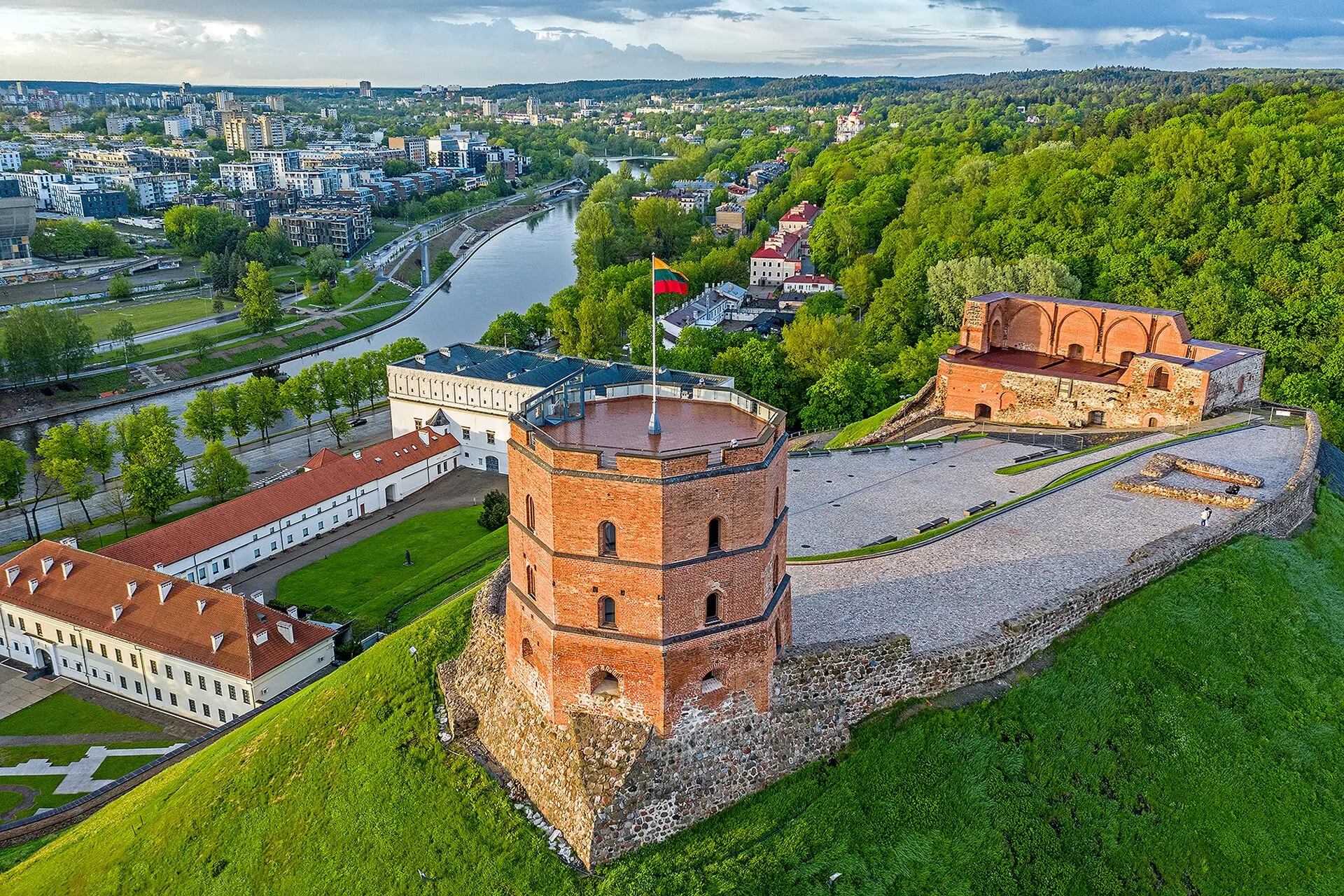
According to legend, Grand Duke Gediminas dreamed in the 14th century of an iron wolf on the hill above the Neris River and founded the city as a result. Vilnius became the capital of the Grand Duchy of Lithuania, which at times stretched all the way to the Black Sea, and later part of the Polish-Lithuanian Commonwealth. Known as the "Jerusalem of the North," the city was a center of Jewish scholarship; the Holocaust destroyed that world almost completely, and tens of thousands were murdered in the Paneriai forest. After Russian rule, a Polish interlude and Soviet occupation, Vilnius has been the capital of independent Lithuania since 1990.
Sights in Vilnius
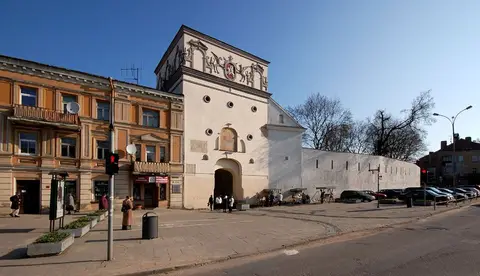
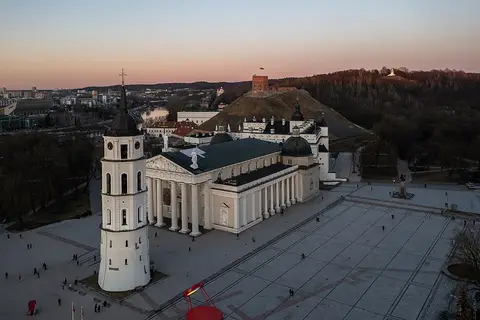
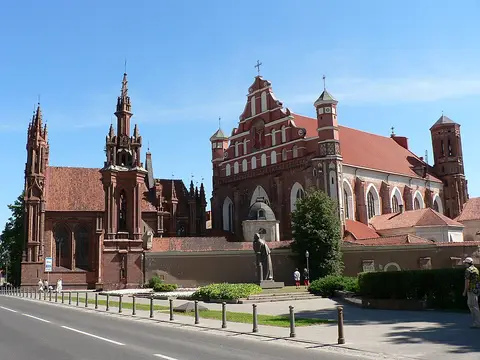
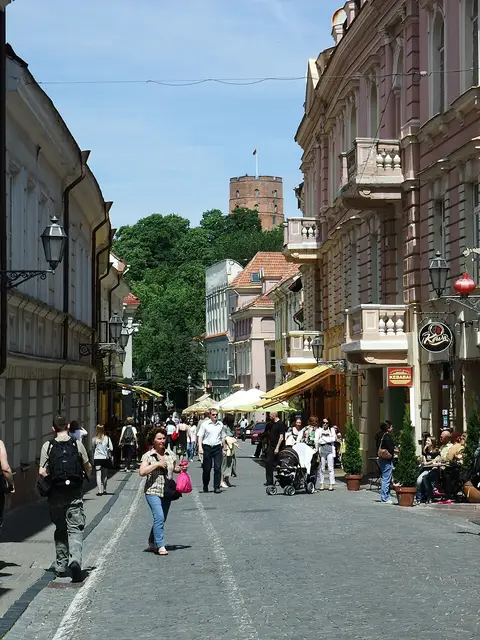
From Gediminas Tower on Castle Hill you can take in the old town, a UNESCO World Heritage Site since 1994. Below stand the neoclassical cathedral with its freestanding bell tower and the reconstructed Palace of the Grand Dukes. The Gothic red-brick St. Anne's Church is said to have impressed Napoleon so much that he wanted to take it back to Paris with him. The Gate of Dawn, with its revered image of the Virgin Mary, is the last surviving city gate. The university, one of the oldest in Eastern Europe, has courtyards and churches from several centuries. The Museum of Occupations and Freedom Fights in the former KGB building shows the secret police's cells.
Užupis and Going Out in Vilnius
Across the little Vilnia River lies Užupis, an artists' quarter that tongue-in-cheek declared itself a republic in 1997; its constitution, with lines such as "Everyone has the right to be happy," hangs on a wall in many languages. Cafés, studios and galleries define the neighborhood. Lithuanian cuisine is hearty: cepelinai, large potato dumplings with a meat filling, šaltibarščiai, a cold pink beet soup in summer, kibinai, pastries from the Karaite community, and dark rye bread. Pilies Street and the area around Vokiečių Street offer restaurants and bars, and a scene has developed in old factory halls in the train station district.
Art and New Neighborhoods
The MO Museum, designed by Daniel Libeskind, shows Lithuanian art from the 1960s onward. The Naujamiestis district, with its old factory halls, has grown into a creative quarter, and paths along the Neris invite you to walk or cycle. In summer, hot-air balloons often float above the old town; Vilnius is one of the few capitals where balloon flights over the center are permitted.
Getting Around Vilnius and the Best Time to Visit
Vilnius Airport is only about 4 miles (6 km) south of the old town and can be reached by train or bus. Buses and trolleybuses serve the city, and the old town is best explored on foot. The best time to visit is May through September, when the evenings are long; during Advent, a large Christmas tree lights up Cathedral Square. A day trip leads to Trakai Island Castle on Lake Galvė, about half an hour away, home to the Karaites, whose kibinai you can try there.