
Discover Kōfu: Takeda Shingen, Hōtō, and Wine
Travel guide · editorialOn clear days, you can see Mount Fuji floating above the mountains from the castle walls in Kōfu, and in summer peaches and grapes glow on the surrounding hillsides. A trip to Kōfu, the capital of Yamanashi, combines samurai history, hearty mountain cuisine, and Japan's most important wine region – just about an hour and a half from Tokyo.
The City of Takeda Shingen
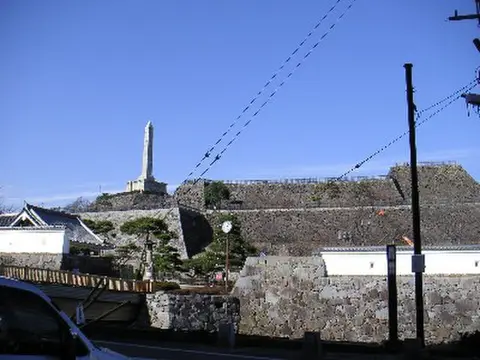
In the 16th century, Takeda Shingen, one of the most feared warlords of the Sengoku period, ruled the province of Kai from here. His residence, Tsutsujigasaki-yakata, stood in the north of what is now the city; the Takeda Shrine occupies the site today, and its treasure house displays armor and swords. Shingen is everywhere here, and a large statue of him stands in front of the train station. In early April, Kōfu celebrates the Shingen-kō Festival, when more than a thousand participants in armor march through the streets, reenacting the troops' departure before the Battle of Kawanakajima. After the Takeda, Kōfu Castle was built, and its walls survive in Maizuru Park.
Sights in Kōfu
The Yamanashi Prefectural Museum of Art holds one of the best-known collections of Jean-François Millet outside France, including "The Sower." The Prefectural Literature Museum across the way is devoted to authors from the region. North of the city lies Shōsenkyō Gorge, with granite cliffs, waterfalls, and brilliant autumn foliage, a popular hiking area. Kōfu is also a center of gemstone and crystal cutting; workshops and a museum showcase the craft, which dates back to quartz discoveries in the mountains.
Eating in Kōfu: Hōtō and Torimotsu
The regional dish is hōtō: wide, flat noodles simmered with pumpkin, mushrooms, and vegetables in a miso broth in an iron pot. It is said to have been a field meal for Takeda warriors. A more recent classic is torimotsu-ni, chicken giblets in a sweet soy glaze, which won the nationwide B-1 Grand Prix for regional dishes in 2010. As a souvenir, pick up Shingen mochi, small rice cakes with roasted soybean flour and black syrup. The alleys south of the station are lined with izakaya and wine bars.
Wine and Fruit in the Kōfu Basin
Around Kōfu, especially in nearby Katsunuma, the Koshu grape grows, producing fine dry white wines. Many wineries offer tastings. In July and August you can pick peaches, and in September grapes. You can also take a day trip to the Fuji Five Lakes or to Erin-ji Temple, where Shingen is buried.
Getting There and Best Time to Visit
The Azusa or Kaiji limited express runs from Shinjuku to Kōfu in about 90 minutes, and long-distance buses are also available. There is no airport of its own. The basin is very hot in summer and dry and cold in winter. The best times to visit are April, with the Shingen Festival, and autumn, with the grape harvest and changing leaves. In May and June, Mount Fuji is often hidden behind clouds, but the landscape is fresh and green then. A lovely way to end the day is an evening in the Yumura hot spring district in the northwest of the city, where Shingen himself is said to have bathed and small inns still channel hot spring water into their baths. If you get up early, you'll be rewarded with a clear view over the entire basin from the castle park.