Discover Itō: Onsen, Volcanic Coast, and Museums in Izu
Travel guide · editorialAlong the Matsukawa River, a three-story wooden inn with a lookout tower is reflected in the water, and steam from hot springs rises out of the storm drains. Itō, on the east coast of the Izu Peninsula, has been a favorite onsen getaway for Tokyoites for over a hundred years – with a volcanic coastline, hundreds of ryokan, and a surprising number of small museums.
An Englishman Builds Ships
Itō's history is closely tied to William Adams, the English navigator who was stranded in Japan in 1600 and rose to become an adviser to Tokugawa Ieyasu under the name Miura Anjin. Around 1604, at the mouth of the Matsukawa, he had the first Western-style sailing ships in Japan built. A memorial by the river commemorates this, and every August the town celebrates the Anjin Festival with fireworks and parades. In the Taishō and Shōwa eras, Itō became a resort town when the railway from Tokyo opened up the peninsula and writers, politicians, and artists built their summer homes here.
Sights in Itō
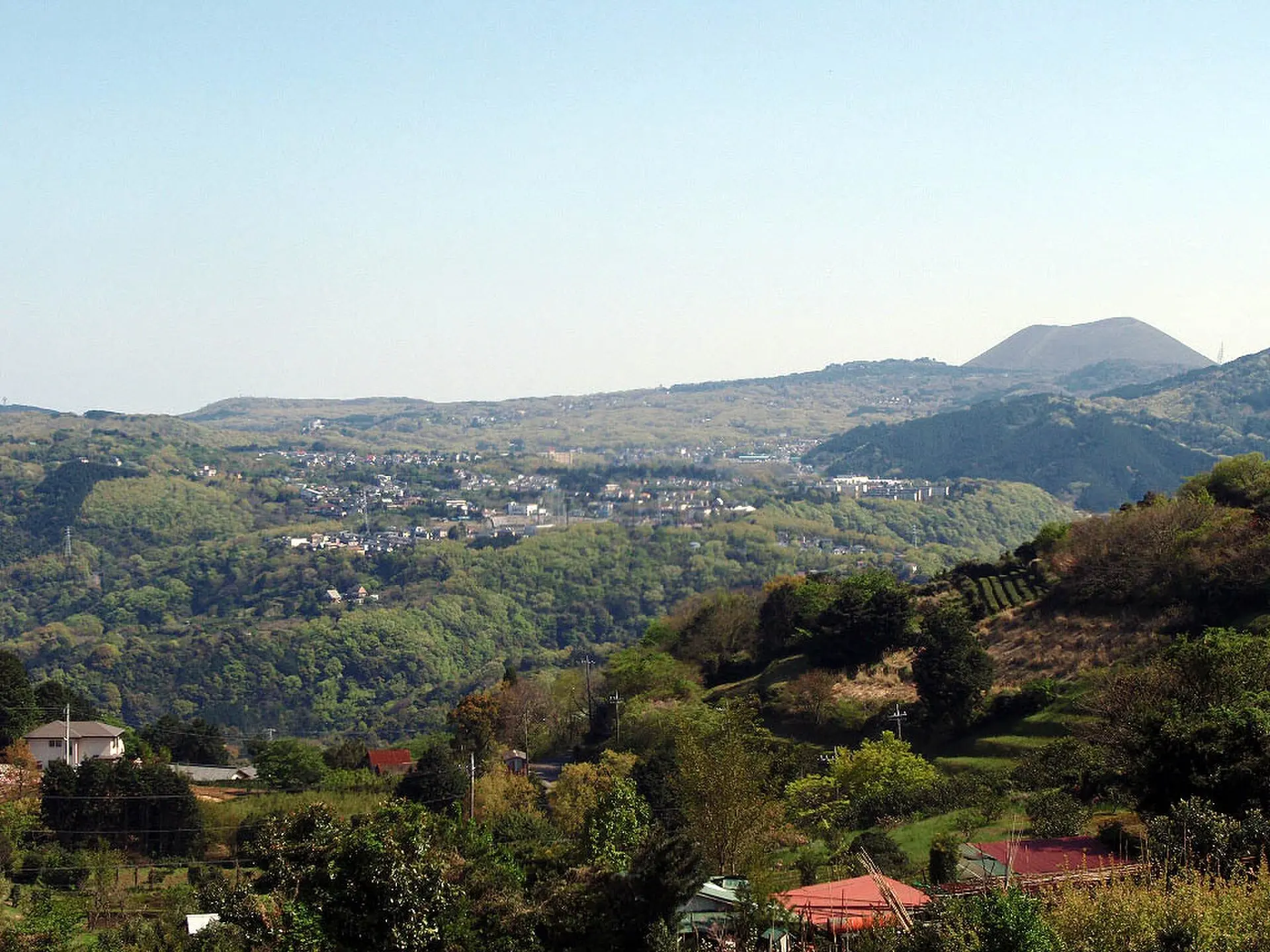
The Tōkaikan, a 1928 ryokan with elaborate woodwork on every floor, is now a museum; on weekends you can bathe on the ground floor, and from the tower you look out over the rooftops to the sea. The Jōgasaki Coast to the south formed about 4,000 years ago, when lava from the Ōmuro volcano flowed into the sea and shaped black cliffs. A 48-meter suspension bridge spans a cove, the surf crashing below, and a hiking trail follows the coast. Ōmuro-yama itself is a perfectly round cinder cone; a chairlift takes you up to its crater rim, and every February its grass cover is burned off in a controlled burn according to an old tradition.
Museums on the Izu-Kōgen Highlands
On the Izu-Kōgen plateau south of the city, dozens of small and large museums line up one after another, from glass art to teddy bears and music boxes to a museum of 20th-century art with works by Picasso, Matisse, and Dalí. In between are cafés, guesthouses, gardens, and woods with cherry trees that form a long avenue in spring. At Lake Ippeki, a crater lake, a loop trail leads through forest and reeds.
Eating in Itō
Itō's harbor supplies fresh fish: kinmedai, the big-eyed red snapper, is served simmered in sweet soy sauce or as sashimi, along with horse mackerel and squid. Dried fish, himono, is a popular souvenir, as are wasabi from the interior of the peninsula and citrus fruits. At the harbor market and in the alleys of the onsen district, small restaurants invite you to try kaisen-don.
Getting There and Best Time to Visit
On the Odoriko Limited Express, you can get from Tokyo to Itō in just under two hours; from Atami the JR Itō Line runs, and farther south the Izu Kyūkō. The best travel season begins in February with the early Kawazu cherry blossoms in the south of the peninsula, and spring and fall are ideal for hiking. In summer, beaches like Orange Beach beckon, and in August the Anjin Festival fireworks light up the bay. If you stay overnight, you'll find everything from simple guesthouses to long-established ryokan with their own rock baths; many accommodations serve dinner featuring fish that was still in the harbor that morning. A stroll along the Matsukawa with its foot baths and small bridges rounds off the day.