Discovering Fukui: Dinosaurs, Zen, and Echizen Crab
Travel guide · editorialIn front of Fukui Station, life-size dinosaurs roar, and even the benches are painted with prehistoric reptiles. Since the Hokuriku Shinkansen was extended this far in 2024, the prefectural capital has moved closer to Tokyo – and a trip to Fukui combines samurai history, Zen monasteries, and the best crab in Japan.
History Between Castles and Fires
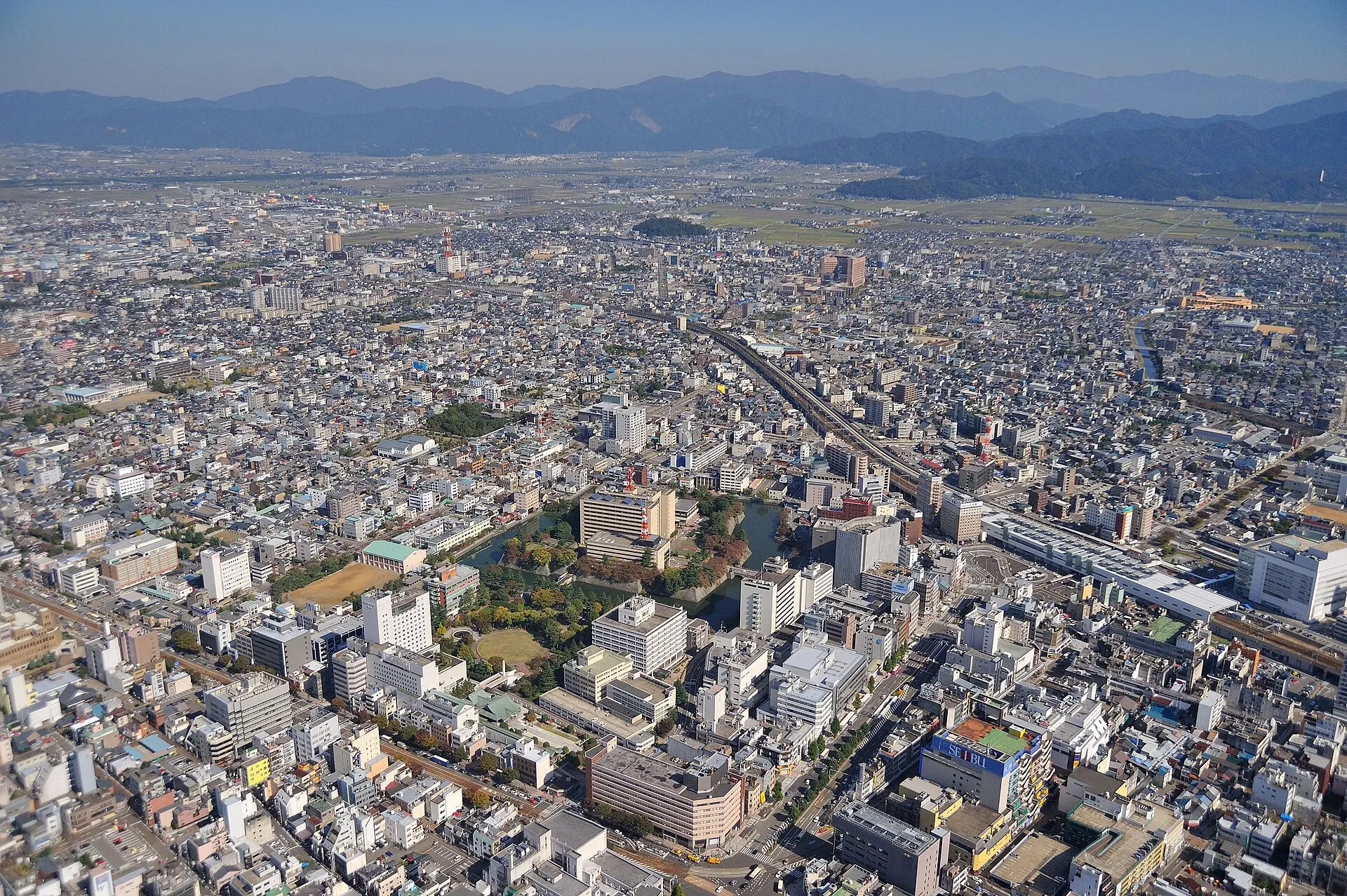
In the 16th century, Shibata Katsuie, a general under Oda Nobunaga, ruled from Kitanoshō Castle here; after his defeat in 1583, he died together with his wife Oichi in the burning castle. Fukui Castle was built later, and today the prefectural office stands on its walls. The city was bombed in World War II and struck by a severe earthquake in 1948; the rebuilding shaped the modern cityscape. Because Fukui was almost completely destroyed several times and recovered each time, the city has adopted the phoenix as its symbol; the Phoenix Festival in August, with fireworks and a dance parade, commemorates this. In Kitanoshō Park, you can see remnants of the castle walls and statues of Katsuie and Oichi. In spring, hundreds of cherry trees line the banks of the Asuwa River for several miles.
Sights in Fukui
About 20 minutes southeast of the center, in a narrow valley, lie the Ichijōdani Asakura Family Historic Ruins, where the Asakura lords maintained a thriving castle town for a century until Nobunaga destroyed it in 1573. Excavated foundations, reconstructed samurai houses, and a row of shops offer a rare glimpse of a medieval town; a modern museum displays the finds. In the center, the Yōkōkan Garden recalls the Matsudaira lords. If you're fascinated by dinosaurs, take the Echizen Railway to Katsuyama and the Fukui Prefectural Dinosaur Museum, one of the largest of its kind in the world, since most of Japan's dinosaur fossils have been found in Fukui.
Eating in Fukui
The prefecture is a culinary destination. From November through March, it's season for Echizen-gani, male snow crabs sold with a yellow tag as proof of origin. Year-round, you can enjoy Echizen oroshi soba, cold buckwheat noodles topped with sharp grated radish, and sauce katsudon, breaded pork cutlets in a sweetish Worcestershire sauce over rice. Fukui is also the home of the Koshihikari rice variety, which was bred here in the 1950s. Around the station you'll find numerous restaurants and izakaya serving local sake.
Excursions: Eiheiji, Tōjinbō, and Maruoka
In the mountains to the east lies Eiheiji, the head temple of Sōtō Zen, founded by Dōgen in 1244, where monks are still trained today; visitors can tour the halls among tall cedars. On the coast, the basalt cliffs of Tōjinbō plunge vertically into the Sea of Japan. Maruoka Castle has one of the twelve original surviving castle keeps in Japan.
Getting There and Best Time to Visit
Since March 2024, the Hokuriku Shinkansen has run from Tokyo via Kanazawa to Fukui and on to Tsuruga. From Osaka and Kyoto, you can take the Thunderbird to Tsuruga and transfer there. In the center, the Fukui Railway streetcar runs. The cherry blossoms in April are most beautiful, and winter is best for crab lovers. During the fall foliage in November, Eiheiji also shows its most atmospheric side.