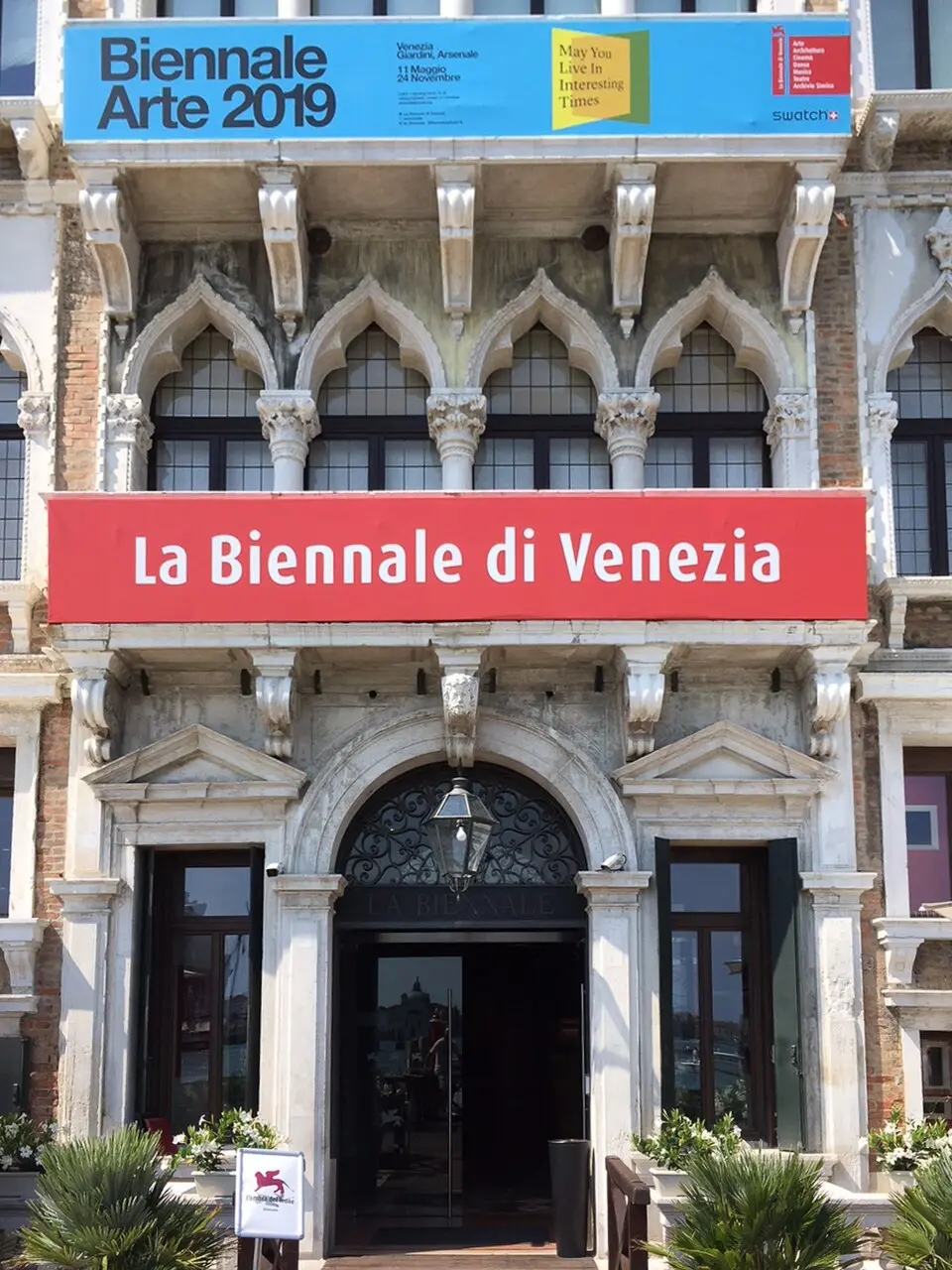
About Venice Pavillion @ La Biennale
The Venetian Pavilion is one of the central stops of the Venice Biennale, the world's oldest international art exhibition, held every two years since 1895. As part of this major cultural event, the city of Venice presents itself not only as the host but also as an active participant with its own national contribution. The pavilion is located in the Giardini della Biennale, the so-called Napoleonic Gardens in the eastern district of Castello. This area is the heart of the event, where a total of 28 countries showcase their work in purpose-built or adapted buildings. For visitors, the pavilion is a place where Italy's contemporary art scene enters into dialogue with international trends and where the country's distinct cultural identity is reflected in the present day.
The history of the Biennale goes back to 1893, when Venice's city council decided to create a national art exhibition. The first edition took place in April 1895 and was opened by King Umberto I and Queen Margherita. At that time there were no national pavilions in the modern sense, as the works were displayed in the central Palazzo dell'Esposizione. The concept of the world's fair served as a model for coping with steadily growing international participation. Over time, it became established practice for countries to build their own pavilions in order to present their artistic output permanently and on their own terms. In this context, the Venetian Pavilion can be understood as an expression of local and national belonging that connects the city to the global art world.
The architecture of the national pavilions varies widely and often reflects the architectural styles and historical moments of their time. Some pavilions were conceived as sober, functional buildings that let the art take center stage, while others were designed as monumental statements of their era. The Venetian contribution makes use of the existing infrastructure of the Giardini, which has been shaped by the historical development of the Biennale. The gardens themselves offer a green contrast to the urban fabric and create an atmosphere that invites you to linger and enjoy the art at your leisure. Here you can not only visit the current exhibition but also explore the architectural diversity of the pavilions, which together form an open-air architecture museum.
In addition to the national pavilions, a curated thematic exhibition is held in the Palazzo dell'Esposizione and the Arsenale, often setting the thematic framework for each Biennale. This main exhibition includes works by artists from around the world and addresses current social, political, and aesthetic questions. The Venetian Pavilion is embedded in this overall concept and offers a distinctive perspective on these themes. The curators of the national contributions are tasked with selecting artists whose work represents the country's current scene while also contributing to the international conversation.
The pavilion's significance also lies in its role as a meeting place for artists, curators, critics, and the international public. During the Biennale, which usually runs from May or June through November, the pavilion is a lively hub of cultural exchange. Openings, discussions, and other events take place here to complement the exhibition program. For travelers, visiting the Venetian Pavilion is a chance to experience the Italian art scene as it is today and to understand the connection between the historic city and contemporary art.
The Giardini della Biennale are not just an exhibition site but also a public park that can be visited outside the Biennale as well. The pavilions stand in a historical context shaped by the development of the Biennale as an institution. Some of the pavilions were designed by renowned architects and are of interest as works of architecture in their own right. The Venetian Pavilion helps preserve and expand this architectural heritage by bringing fresh ideas to the design of its exhibition spaces.
In the Venetian Pavilion, you'll find a curated selection of works, many of them created specifically for the exhibition. The presentation is designed to show the works in an appropriate light and to encourage dialogue between the individual artistic positions. The atmosphere blends local tradition with international openness, typical of Venice as a crossroads of different cultures. The pavilion offers a glimpse into the diverse forms of expression in contemporary art, from painting and sculpture to installations and video works.
The Venice Biennale is more than an art exhibition; it is a multidisciplinary festival that also includes music, film, theater, and dance. These other sections take place annually and complement the biennial art exhibition. The Venetian Pavilion is part of this larger cultural ecosystem and adds to the city's appeal as a destination. The combination of historic architecture, contemporary art, and cultural events makes Venice a unique place for art lovers and travelers alike.
In recent years, the Biennale has grown in international importance, and the number of participating nations has risen. As a result, some countries have had to house their contributions in venues outside the Giardini. The Venetian Pavilion, however, remains a fixture of the core site and symbolizes the city's continued participation in this global event. The curation of the national contributions is often handled by local institutions or specialized curators, who ensure that the selection reflects the diversity and quality of the Italian art scene.
For travelers, visiting the Venetian Pavilion is an enriching experience that goes beyond simply looking at works of art. It offers a chance to explore Venice's cultural identity in the present day and to understand the city's role in the international art world. The combination of historic surroundings and current art creates a unique atmosphere that invites reflection and exchange. The pavilion is a place where past and present meet and where the living culture of Venice comes to the fore.
At a glance
- Category
- Museum › Art museums
- Rating
- no reviews yet · write a review
- Address
- Giardini della Biennale
Venice, Italy - District
- Castello
- Phone
- —
- Website
- —
- —
- Coordinates
- 45.42985° N · 12.35890° E
- Data quality
- confidence 0.71
- Identifier
- ID 55cce80e-118…
Location & surroundings
Toggle layersRatings & comments
none yetNear Venice Pavillion @ La Biennale
closest 5 per category · 2 kmSights
Restaurants
Museums
Hotels
More:Art museums in Venice (42)Museums in Castello (31)All museums in Venice (135)
243 places within 2 km loaded.
Don't miss in Venice
All sights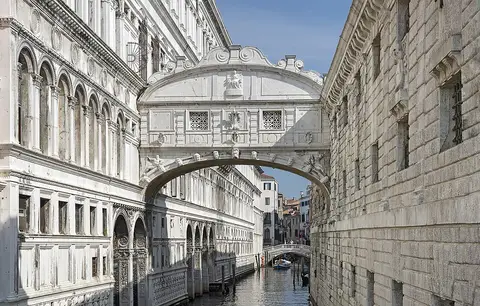 Monuments01
Ponte dei Sospiri
San Marco, Sestiere San Marco, 1 · Venice● Website● Phone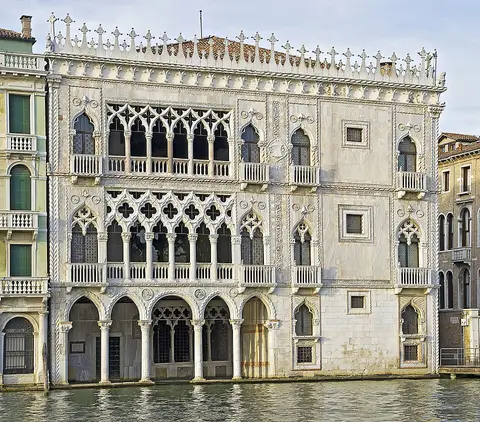 Palaces02
Ca' D'Oro
Ca' D'Oro Venezia · Venice● Website● Phone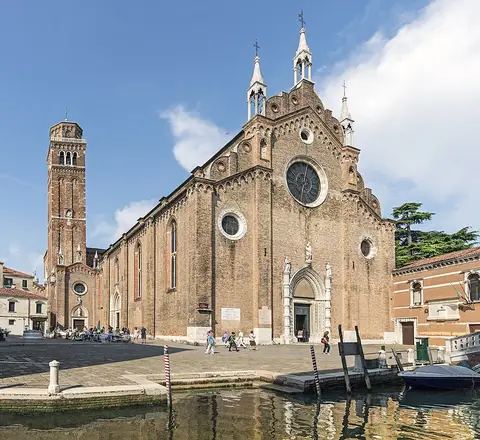 Historic sites03
Venezia Santa Maria Gloriosa Dei Frari
No address · Venice○ Website○ Phone Monuments04
You need a free account to leave reviews and photos – that keeps comments genuine and lets you edit them later.