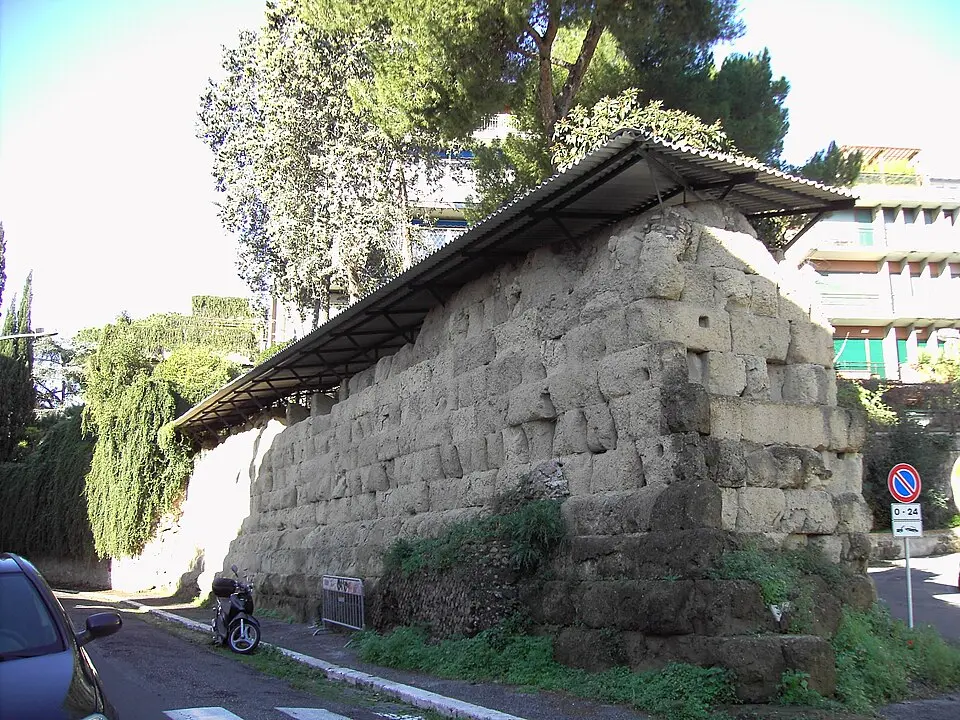
About Servian Wall
The Servian Wall is considered the oldest Roman city wall still preserved in substantial sections. According to tradition, it was built in the sixth century B.C. under King Servius Tullius to protect the growing city. The remains visible today, however, date from the fourth century B.C., when the censors ordered a new wall to be built after the Celtic conquest of Rome. The builders used sturdy tuff, which became available to the Romans after they captured the Etruscan city of Veii. The fortification was about 10 meters (33 feet) high and up to 4 meters (13 feet) thick. With a total length of 11 kilometers (7 miles), it enclosed all seven hills of the ancient city. Over the centuries, the wall lost its significance as Rome outgrew it, and in the third century A.D. it was replaced by the later Aurelian Wall. Today, visitors can see the well-preserved sections on the Esquiline Hill, for example near Roma Termini, the main train station, as well as surviving city gates such as the Porta Viminalis and the Porta Esquilina, which stand as impressive witnesses to early Roman history.
At a glance
- Category
- Sight › Monuments
- Rating
- no reviews yet · write a review
- Address
00185 Rome, Italy- District
- Roma I
- Phone
- —
- Website
- —
- —
- Coordinates
- 41.90189° N · 12.50166° E
- Data quality
- confidence 0.35
- Identifier
- ID 264621a7-421…
Location & surroundings
Toggle layersRatings & comments
none yetNear Servian Wall
closest 5 per category · 2 kmSights
Museums
Hotels
More:Monuments in Rome (235)Sights in Roma I (642)All sights in Rome (1,312)
300 places within 2 km loaded.
Don't miss in Rome
All sights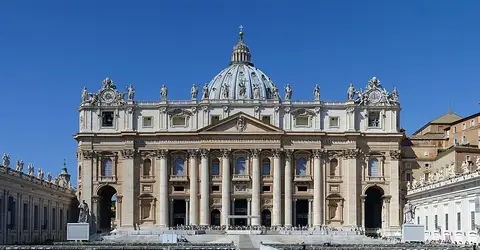 Historic sites01
The Dome at San Pietro Basilica
No address · Rome○ Website○ Phone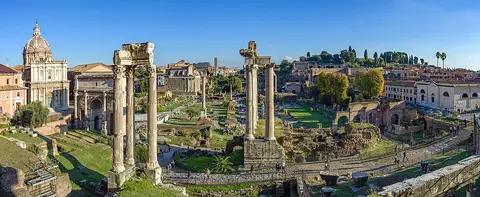 Historic sites02
Roman Forum
Via della Salara Vecchia, 5/6 · Rome● Website● Phone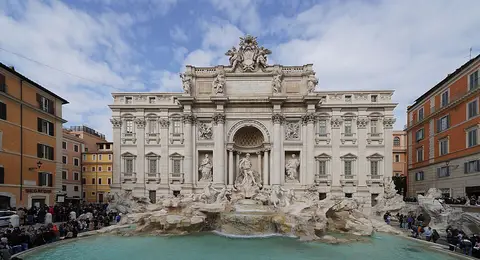 Historic sites03
Restauro Fontana di Trevi
Piazza di Trevi, 91 · Rome● Website○ Phone Monuments04
You need a free account to leave reviews and photos – that keeps comments genuine and lets you edit them later.
The Servian Wall was the first wall around Rome, built around the 3rd Century BC. This well-preserved section gives a good opportunity to see the construction methods used at that time, involving the use of blocks of tufa rock.
Source: Wikivoyage, „Rome/Aventino-Testaccio“ · authors per page history · CC BY-SA 4.0