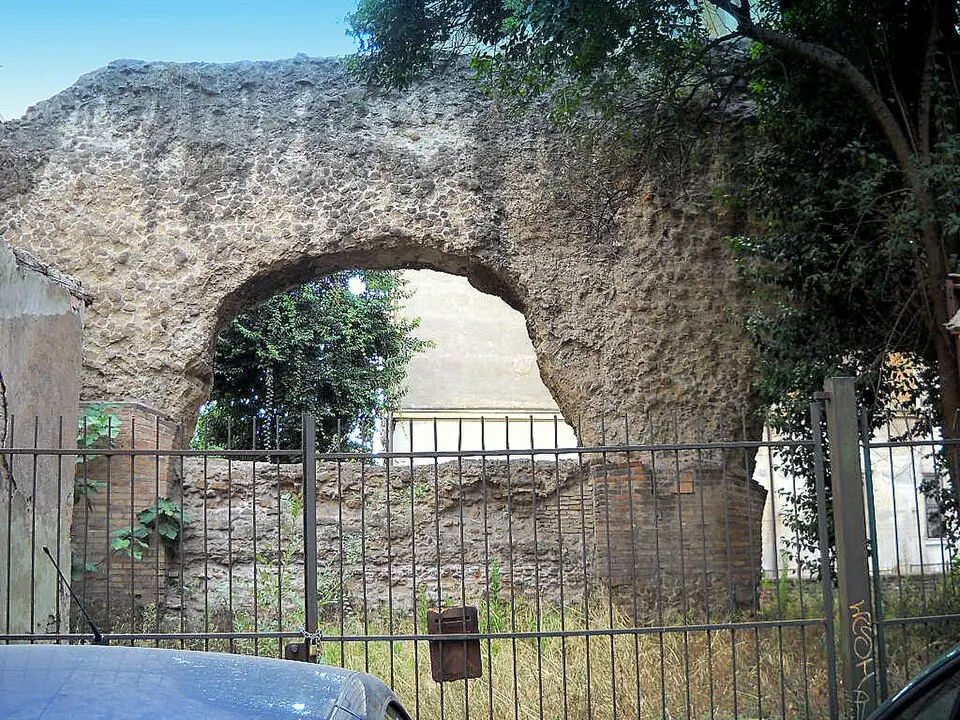
About Porticus Aemilia
In antiquity, the Porticus Aemilia was one of the largest commercial complexes in Rome, serving as a storage and distribution center for goods that reached the city via the Tiber. Built in 193 B.C. by the aediles Marcus Aemilius Lepidus and Lucius Aemilius Paullus, the structure bore their name. The massive construction of irregular masonry stretched parallel to the river and was divided by numerous rows of columns into aisles covered by overlapping vaults. This architectural solution protected the stored goods, including imported grain, from the elements while also providing light and air. The complex was closely connected to the Emporium and remained in use until the 6th century A.D., after which the space continued to be used and adapted through additional commercial buildings in the Trajanic era.
At a glance
- Category
- Sight › Historic sites
- Rating
- no reviews yet · write a review
- Address
- Via Rubattino
00153 Rome, Italy - District
- Testaccio
- Phone
- —
- Website
- it.wikipedia.org
- —
- Coordinates
- 41.88008° N · 12.47371° E
- Data quality
- confidence 0.85
- Identifier
- ID 2a25ede9-7c4…
Location & surroundings
Toggle layersFAQ about Porticus Aemilia
quick answersWhat is the Porticus Aemilia in Rome?
In ancient times, the Porticus Aemilia was one of the largest commercial complexes in Rome, serving as a storage and distribution center for goods that arrived in the city via the Tiber. The remains lie in the Testaccio neighborhood on Via Rubattino. The goods stored here included imported grain, and the complex was closely tied to the ancient port and trading district known as the Emporium.
When and by whom was the Porticus Aemilia built?
The Porticus Aemilia in Rome was built in 193 B.C. by the aediles Marcus Aemilius Lepidus and Lucius Aemilius Paullus, after whom the structure is named. The complex remained in use until the 6th century A.D. During the Trajanic era, the area continued to be used and was adapted through additional commercial buildings.
How was the Porticus Aemilia constructed?
The Porticus Aemilia in Rome was a massive structure of irregular masonry that ran parallel to the Tiber. Numerous rows of columns divided the interior into aisles covered by overlapping vaults. This design protected the goods from the weather while also providing light and air inside.
What can you see around the Porticus Aemilia?
Around the Porticus Aemilia in Rome's Testaccio neighborhood, several attractions are within walking distance. travelguide195 lists, among others, the Pietre d'inciampo (stumbling stones) for Adolfo Caviglia and Lazzaro Di Porto about 330 m away, the Ponte Sublicio bridge about 400 m away, and Piazza di Porta Portese about 430 m away. A little farther, about 470 m away, is the Museo Storico dei Vigili del Fuoco, a museum on the history of the fire department, and about 480 m away is the Buca della Serratura di Roma.
Are there restaurants near the Porticus Aemilia?
Yes, you'll find plenty of places to eat around the Porticus Aemilia in Rome. travelguide195 lists about 114 restaurants within 500 m of the site in the Testaccio neighborhood.
Ratings & comments
none yetNear Porticus Aemilia
closest 5 per category · 2 kmSights
Restaurants
Museums
Hotels
More:Historic sites in Rome (1,014)All sights in Rome (1,312)
300 places within 2 km loaded.
Don't miss in Rome
All sights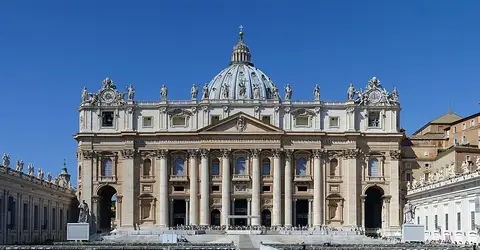 Historic sites01
The Dome at San Pietro Basilica
No address · Rome○ Website○ Phone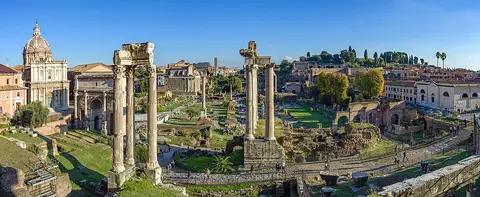 Historic sites02
Roman Forum
Via della Salara Vecchia, 5/6 · Rome● Website● Phone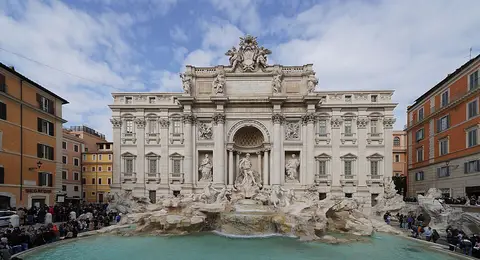 Historic sites03
Restauro Fontana di Trevi
Piazza di Trevi, 91 · Rome● Website○ Phone Monuments04
You need a free account to leave reviews and photos – that keeps comments genuine and lets you edit them later.