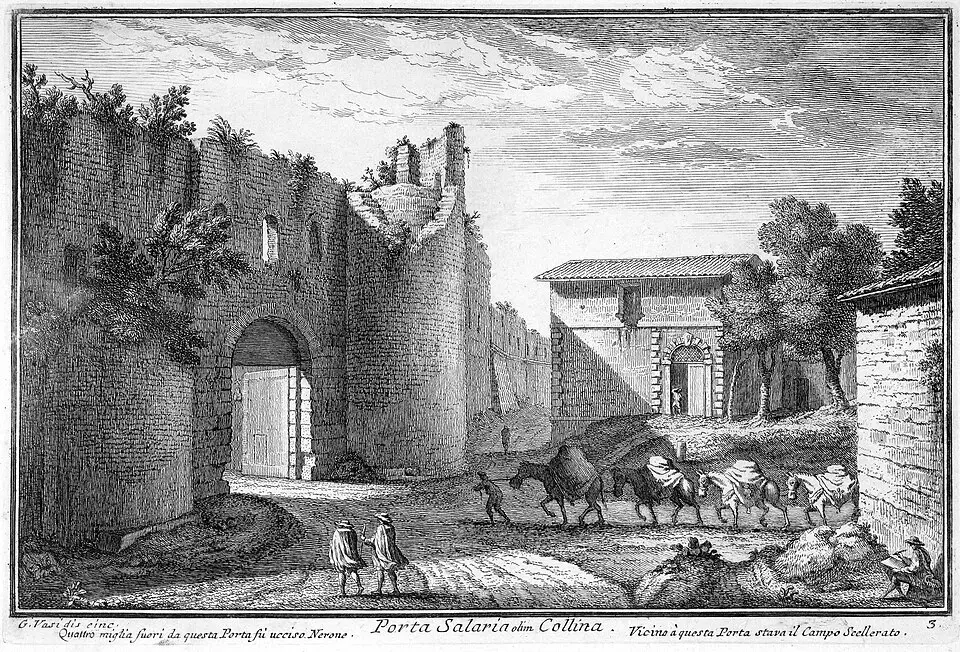
About Porta Salaria
The Porta Salaria was a historic gate in Rome's Aurelian Walls, built in the early third century AD. The gate originally had just a single passageway and was flanked by two semicircular towers; the western tower dates from the original construction, while the eastern one was added later. It was built of Roman concrete faced with brick and had large window openings above the archway. Over the centuries the structure underwent various alterations, including the raising of the towers under Emperor Honorius and later repairs. The gate became famous for the invasion of the Goths under Alaric in 410 and for the sieges of the sixth century. In the Middle Ages, it never received a Christian name. After Italian troops captured Rome in 1870, the badly damaged gate was demolished and replaced with a new structure, which in turn had to make way for a road-widening project in 1921. Today no physical remains of the gate survive. It is known only from historical records and finds from archaeological excavations, such as ancient tombs discovered beneath the towers.
At a glance
- Category
- Sight › Historic sites
- Rating
- no reviews yet · write a review
- Address
- Via Piave, 71
00198 Rome, Italy - District
- Roma I
- Phone
- —
- Website
- www.romasegreta.it
- —
- Coordinates
- 41.91073° N · 12.49840° E
- Data quality
- confidence 0.69
- Identifier
- ID 930bdc7f-529…
Location & surroundings
Toggle layersFAQ about Porta Salaria
quick answersWhat is the Porta Salaria in Rome?
The Porta Salaria was a historic city gate in Rome's Aurelian Wall, built in the early third century AD. Originally, the gate had just a single passageway and was flanked by two semicircular towers. The western tower dated from the original construction, while the eastern one was added later. The Porta Salaria was built of Roman concrete faced with brickwork, with large window openings above the arch.
Can you still see the Porta Salaria in Rome today?
No, no physical remains of the Porta Salaria in Rome survive today. After Italian troops captured Rome in 1870, the badly damaged gate was demolished and replaced with a new structure, which in turn had to make way for a road widening in 1921. Today the gate is known only from historical records and archaeological finds, such as ancient tombs discovered beneath the towers. The site is in the Roma I district at Via Piave 71.
What historical events are associated with the Porta Salaria?
The Porta Salaria in Rome became famous above all through the Goths' invasion under Alaric in 410. The gate also played a role in sieges in the sixth century. Under Emperor Honorius the towers were raised, and further repairs followed later. Unlike many other gates in Rome, the Porta Salaria was not given a Christian name in the Middle Ages.
What can you visit around the Porta Salaria in Rome?
Around the former Porta Salaria in Rome, you'll find several museums and historic sites less than 350 meters away. They include the Fondazione Carlo Levi (about 285 m), the Museo Storico dei Bersaglieri (about 287 m), and the Monumento al Bersagliere (about 305 m). Also nearby are the Gardens of Sallust (Horti Sallustiani, about 327 m) and the Museo Boncompagni Ludovisi (about 345 m).
Are there restaurants near the Porta Salaria in Rome?
Yes, you'll find a wide choice of restaurants around the site of the Porta Salaria in Rome. travelguide195 lists around 230 restaurants within 500 meters of Via Piave 71 in the Roma I district.
Ratings & comments
none yetNear Porta Salaria
closest 5 per category · 2 kmSights
Restaurants
Museums
Hotels
More:Historic sites in Rome (1,014)Sights in Roma I (642)All sights in Rome (1,312)
300 places within 2 km loaded.
Don't miss in Rome
All sights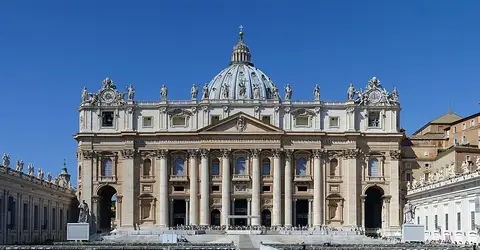 Historic sites01
The Dome at San Pietro Basilica
No address · Rome○ Website○ Phone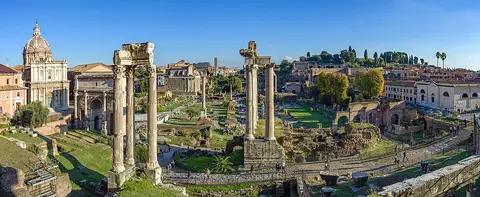 Historic sites02
Roman Forum
Via della Salara Vecchia, 5/6 · Rome● Website● Phone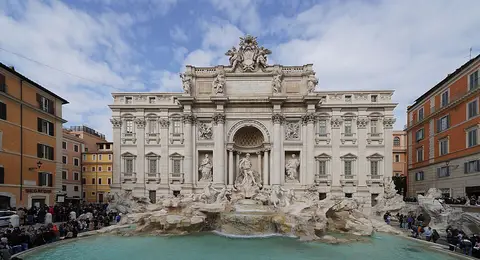 Historic sites03
Restauro Fontana di Trevi
Piazza di Trevi, 91 · Rome● Website○ Phone Monuments04
You need a free account to leave reviews and photos – that keeps comments genuine and lets you edit them later.