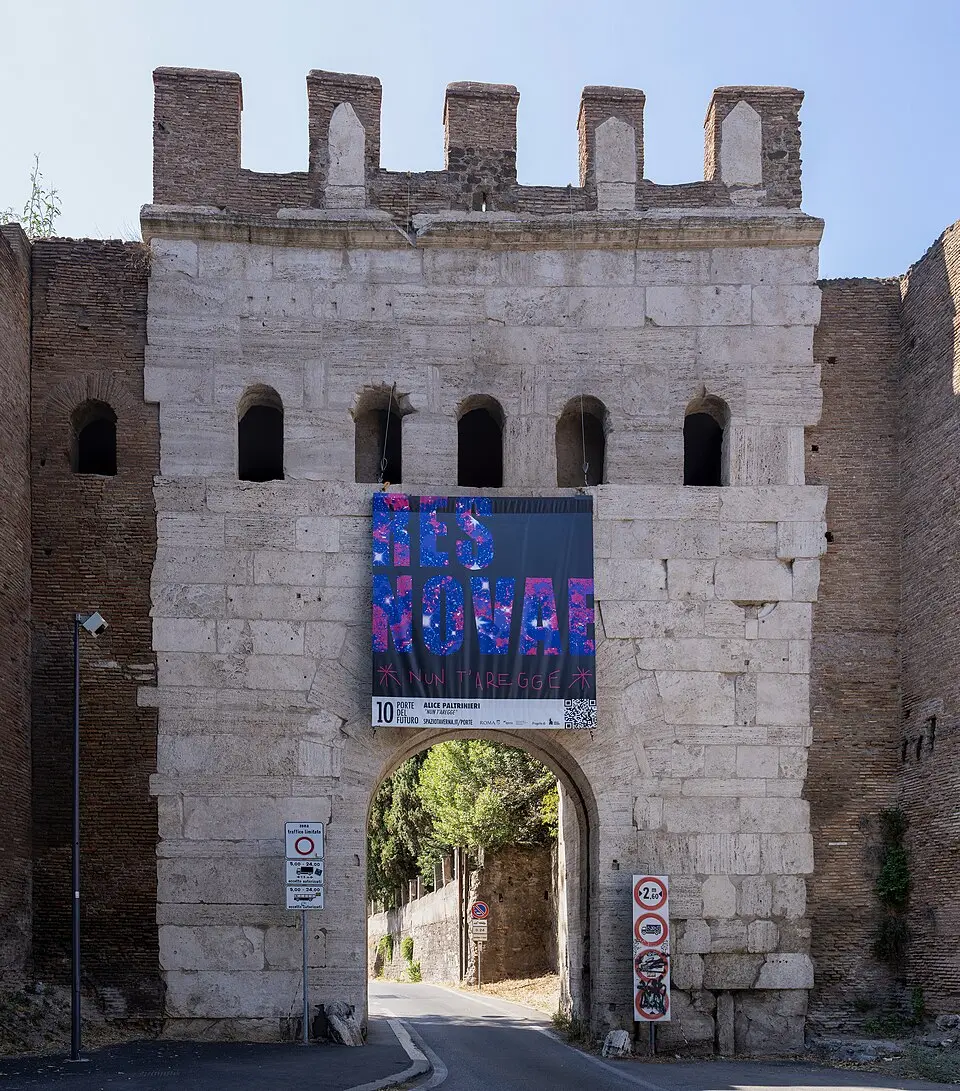
About Porta Latina
The Porta Latina is a historic city gate in Rome's Aurelian Wall, built in the 3rd century A.D. It originally served as the starting point of the Via Latina, which connected the city with Capua. The well-preserved travertine facade makes the gate an impressive example of ancient defensive architecture, although its present condition is the result of numerous later alterations. These included the addition of an eastern tower, the narrowing of the passageway, and the installation of an artillery chamber and a portcullis. The exact timing of these changes is debated, with the reigns of Constantine and Honorius considered possible periods. In the Middle Ages, the eastern tower was completely rebuilt, and the gate was given the name Porta Libera before the ancient name was revived. After being closed several times because of wars and plague, it was ceremonially reopened in 1669, but lost importance with the rise of the Via Appia Nuova. It was not until 1911 that the gate was opened permanently, and today it is a significant historic monument in the city.
At a glance
- Category
- Sight › Historic sites
- Rating
- no reviews yet · write a review
- Address
- Aurelian Walls, Via di Porta Latina, 14
00179 Rome, Italy - District
- Roma I
- Phone
- +39060608
- Website
- —
- —
- Coordinates
- 41.87653° N · 12.50244° E
- Data quality
- confidence 0.90
- Identifier
- ID 9f5ba9d8-09d…
Location & surroundings
Toggle layersFAQ about Porta Latina
quick answersWhat is the Porta Latina in Rome?
The Porta Latina is a historic city gate in Rome's Aurelian Wall, built in the 3rd century A.D. It originally marked the starting point of the Via Latina, which connected Rome with Capua. With its well-preserved travertine facade, the Porta Latina is considered an impressive example of ancient defensive architecture. You'll find it at Via di Porta Latina 14 in the Roma I district.
What alterations has the Porta Latina in Rome undergone?
The present-day appearance of the Porta Latina in Rome is the result of numerous alterations made after it was built in the 3rd century. These include the addition of an eastern tower, the narrowing of the passageway, and the installation of an artillery chamber and a portcullis. Exactly when these changes took place is disputed; the reigns of Constantine and Honorius are both considered possible periods. In the Middle Ages, the eastern tower was also completely rebuilt.
Why was the Porta Latina in Rome temporarily called Porta Libera?
In the Middle Ages, the Porta Latina in Rome went by the name Porta Libera before the ancient name was later revived. The gate was closed several times because of wars and plague and was ceremonially reopened in 1669. After the rise of the Via Appia Nuova, the Porta Latina lost importance. The gate has only been permanently open since 1911.
What can you see around the Porta Latina in Rome?
Several ancient sites lie within walking distance of the Porta Latina in Rome. Only about 160 to 190 meters away are the Tomb of the Scipios (Sepolcro degli Scipioni) and the Columbarium of the Scipios. About 340 meters away, you'll reach the Porta San Sebastiano with the Museo delle Mura, which is dedicated to the city wall, as well as the Arch of Drusus (Arco di Druso). About 460 meters away, the Via Appia Antica begins.
Are there restaurants near the Porta Latina in Rome?
Yes, you have a good selection of places to eat around the Porta Latina in Rome. travelguide195 lists around 47 restaurants within 500 meters of the city gate on Via di Porta Latina.
Ratings & comments
none yetNear Porta Latina
closest 5 per category · 2 kmSights
Restaurants
Museums
Hotels
More:Historic sites in Rome (1,014)Sights in Roma I (642)All sights in Rome (1,312)
261 places within 2 km loaded.
Don't miss in Rome
All sights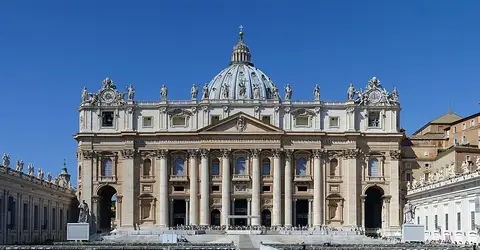 Historic sites01
The Dome at San Pietro Basilica
No address · Rome○ Website○ Phone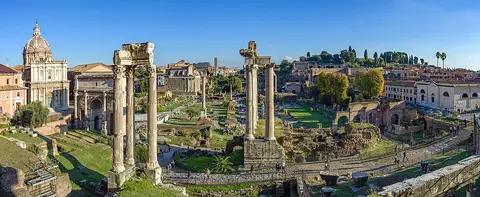 Historic sites02
Roman Forum
Via della Salara Vecchia, 5/6 · Rome● Website● Phone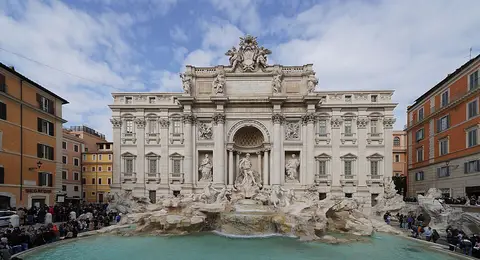 Historic sites03
Restauro Fontana di Trevi
Piazza di Trevi, 91 · Rome● Website○ Phone Monuments04
You need a free account to leave reviews and photos – that keeps comments genuine and lets you edit them later.