About Mausoleo di Cecilia Metella
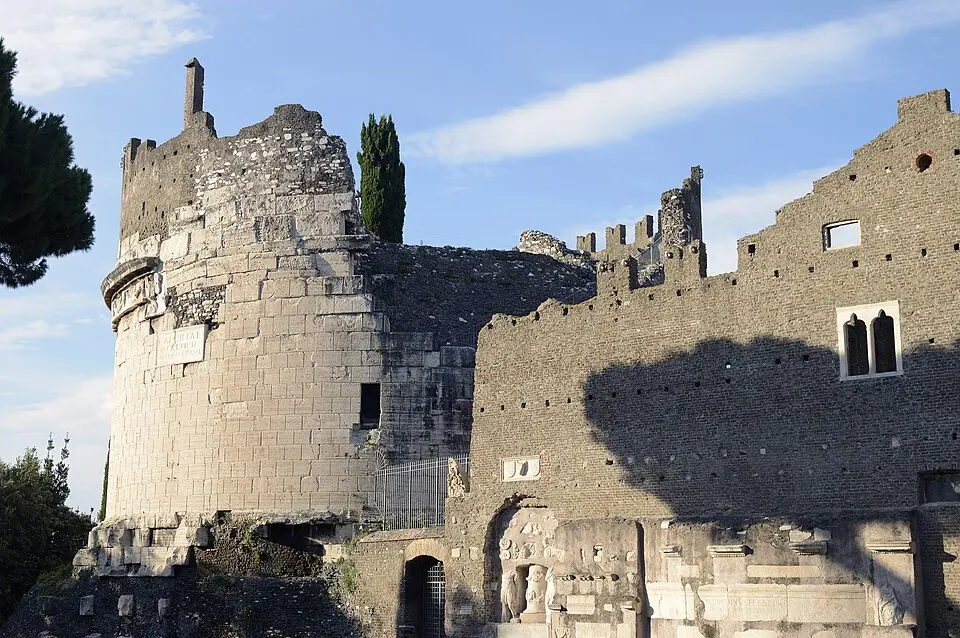
On the Via Appia Antica in Rome, the imposing Tomb of Caecilia Metella rises beside the road. It was built in the first half of the first century B.C. for the daughter of a consul and daughter-in-law of the triumvir Crassus. The round structure, clad in travertine, rests on a high base and is encircled at the top by a frieze of carved stone bull skulls. It was originally meant to serve as the base for a conical mound. In the thirteenth century, the noble Caetani family converted the monument into a fortress, and the crenellated crown you see today is a reminder of that period. You can visit the historic structure and learn more about the archaeological sites along this important Roman road in a small museum.
At a glance
- Category
- Sight › Monuments
- Rating
- no reviews yet · write a review
- Address
- Via Appia Antica, 161
00179 Rome, Italy - District
- Roma VIII
- Phone
- +39067844271
- Website
- —
- —
- Coordinates
- 41.85224° N · 12.52105° E
- Data quality
- confidence 0.90
- Identifier
- ID a0e07bf8-ae5…
Location & surroundings
Toggle layersFAQ about Mausoleo di Cecilia Metella
quick answersWhat is the Mausoleo di Cecilia Metella in Rome?
The Mausoleo di Cecilia Metella is an ancient tomb on the Via Appia Antica in Rome, built in the first half of the first century B.C. It was built for Caecilia Metella, the daughter of a consul and daughter-in-law of the triumvir Crassus. The round structure is faced with travertine, rests on a high base, and is encircled at the top by a frieze of stone bull skulls.
Why does the tomb of Caecilia Metella have battlements like a castle?
In the thirteenth century, the noble Caetani family converted the Mausoleo di Cecilia Metella in Rome into a fortress. The battlements crowning the ancient round structure still bear witness to this conversion today. The structure was originally meant to serve as the base for a conical mound.
What can you see at the Mausoleo di Cecilia Metella?
At the Mausoleo di Cecilia Metella in Rome, you can explore the historic structure itself and visit a small museum. The museum provides information on the archaeological sites along the Via Appia Antica, an important Roman road. The address is Via Appia Antica, 161, in the Roma VIII area.
What can you see around the Mausoleo di Cecilia Metella?
Around the Mausoleo di Cecilia Metella in Rome, numerous ancient sites line the Via Appia Antica, which begins only about 77 meters away. travelguide195 lists, among others, the Villa di Massenzio at about 238 meters, the Circus of Maxentius at about 292 meters, and the Mausoleum of Maxentius at about 388 meters. A bit farther away are the Torre di Capo di Bove (about 511 meters), the Catacombs of San Sebastiano (about 574 meters), the Jewish catacomb on the Via Appia (about 732 meters), and the Ninfeo di Egeria (about 818 meters).
Are there restaurants near the Mausoleo di Cecilia Metella?
Yes, there are a few restaurants near the Mausoleo di Cecilia Metella on the Via Appia Antica in Rome. travelguide195 lists about 4 restaurants within 500 meters of the tomb.
Ratings & comments
none yetNear Mausoleo di Cecilia Metella
closest 5 per category · 2 kmSights
Restaurants
Museums
Hotels
More:Monuments in Rome (235)Sights in Roma VIII (60)All sights in Rome (1,312)
122 places within 2 km loaded.
Don't miss in Rome
All sights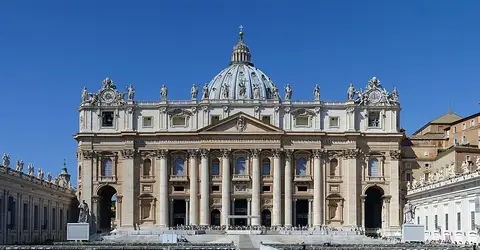 Historic sites01
The Dome at San Pietro Basilica
No address · Rome○ Website○ Phone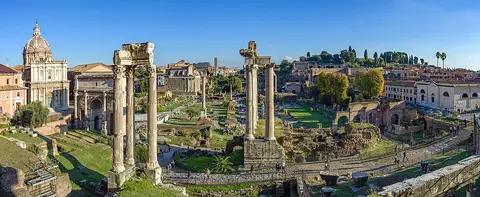 Historic sites02
Roman Forum
Via della Salara Vecchia, 5/6 · Rome● Website● Phone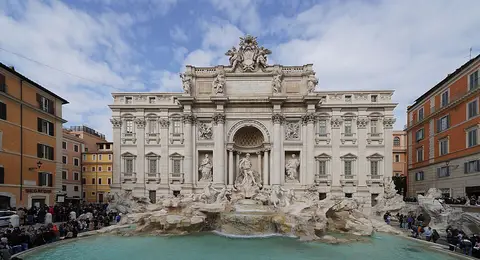 Historic sites03
Restauro Fontana di Trevi
Piazza di Trevi, 91 · Rome● Website○ Phone Monuments04
You need a free account to leave reviews and photos – that keeps comments genuine and lets you edit them later.
The mausoleum of Cecilia Metella, who died in 69 BC, is the best preserved monument on the Appian Way and dominates the surroundings. In the Middle Ages it was transformed into a fortress and battlements were added. At that time there was considerable competition for ownership because of its strategic location.
Source: Wikivoyage, „Rome/South“ · authors per page history · CC BY-SA 4.0 · as of 4/29/2019