Museum · Local history museums
Sicilian Ethnographic Museum Giuseppe Pitre
Viale Duca degli Abruzzi, 1, 90146 Palermo
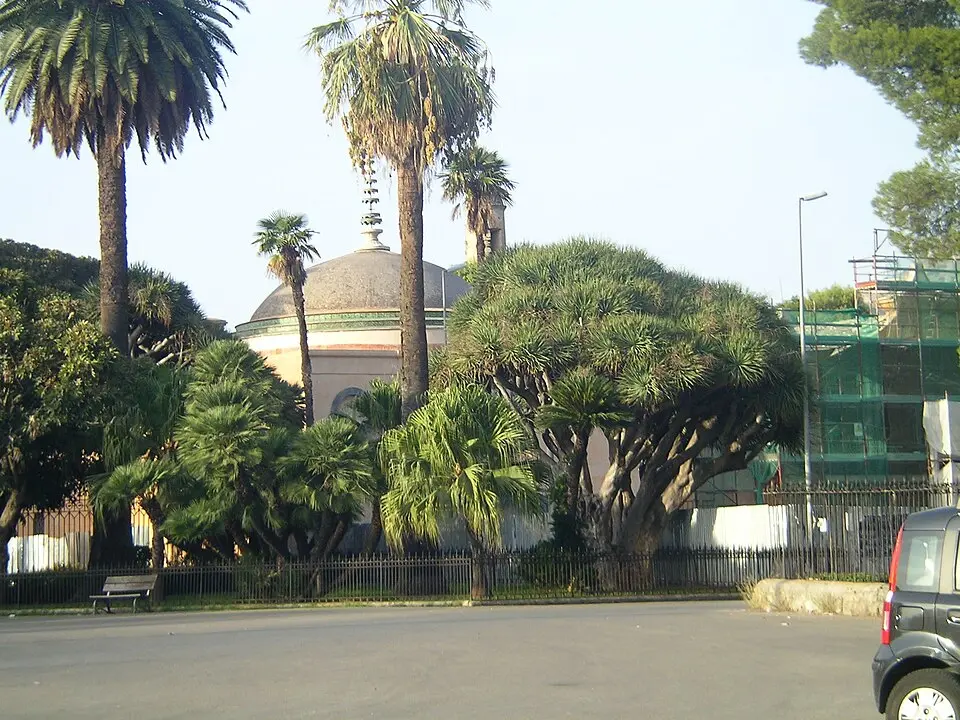
About Sicilian Ethnographic Museum Giuseppe Pitre
The Museo Etnografico Siciliano Giuseppe Pitrè in Palermo is the largest folk museum in Sicily. Founded in 1909 by the ethnographer Giuseppe Pitrè, it sits in the Parco della Favorita at the foot of Monte Pellegrino and is housed in the Casina Cinese. The collection of more than 4,000 exhibits documents everyday life and traditions in Sicily. You'll see old craftsmen's tools, ceramics, traditional costumes, nativity figures, handmade marionettes, and painted carts that shaped the look of the countryside's roads until the 1950s. The exhibition is complemented by a library of more than 30,000 volumes, including Pitrè's major work on Sicilian folk customs.
At a glance
- Category
- Museum › Local history museums
- Rating
- no reviews yet · write a review
- Address
- Viale Duca degli Abruzzi, 1
90146 Palermo, Italy - District
- VII Circoscrizione
- Phone
- +390917409008
- Website
- www.comune.palermo.it
- —
- Coordinates
- 38.16681° N · 13.33076° E
- Data quality
- confidence 0.96
- Identifier
- ID d3b57917-8d5…
Location & surroundings
Toggle layersRatings & comments
none yetNear Sicilian Ethnographic Museum Giuseppe Pitre
closest 5 per category · 2 kmSights
Restaurants
Hotels
Cocktail bars
More:All museums in Palermo (88)
117 places within 2 km loaded.
Don't miss in Palermo
All sights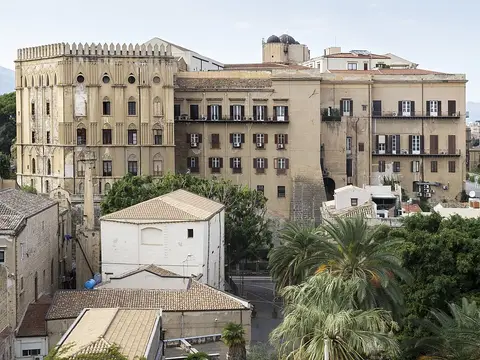 Palaces01
Palazzo dei Normanni
Piazza del Parlamento, 1 · Palermo● Website● Phone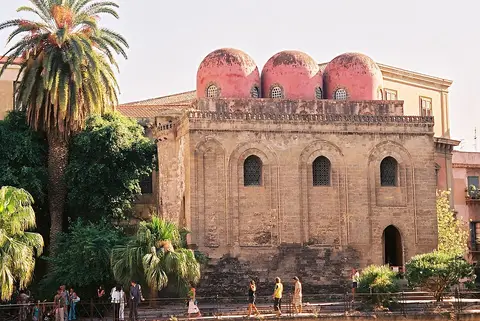 Monuments02
Church of San Cataldo, Palermo
Piazza Vincenzo Bellini, 4 · Palermo○ Website● Phone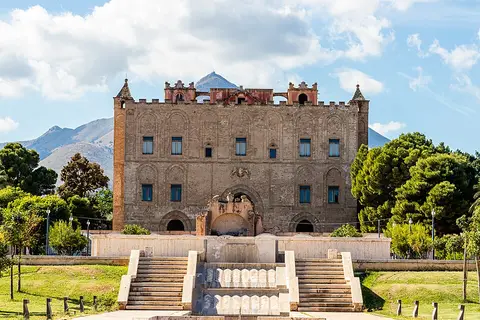 Historic sites03
La Zisa
No address · Palermo● Website○ Phone Historic sites04
You need a free account to leave reviews and photos – that keeps comments genuine and lets you edit them later.
The collection of the Opera dei pupi of the Giuseppe Pitrè Sicilian Ethnographic Museum includes more than 200 works from Palermo and largely dates back to the second half of the 19th century. The first nucleus of the collection was collected directly by Giuseppe Pitrè and was exhibited in the pavilion of the Sicilian Ethnographic Exhibition, on the occasion of the National Exhibition of 1891-92. When, at the end of the exhibition, Pitrè transferred the collections to the Assunta school premises in via Maqueda, where the first exhibition of the museum took place, he probably had to acquire other materials from the Opera dei pupi, of which, however, there is no precise information. What is certain is that, on the death of Pitrè, in 1916, the collection was kept together with the others and probably forgotten while waiting for new premises, until, in 1934, when Giuseppe Cocchiara took over the new direction of the Ethnographic Museum. The history of the museum alternates periods of closure and reopening to the public. Today, after the definitive reopening of the museum in the original site of the Favorita park, the new exhibition dedicates a room to the Opera dei pupi with a theatre complete with benches, posters and twenty restored puppets. In the large room of the stables where the carts have been placed, there is the pediment of the oldest theatre, that of the 1891-92 Exhibition.
Source: Wikivoyage, „Itinerary of the Opera dei Pupi“ · authors per page history · CC BY-SA 4.0