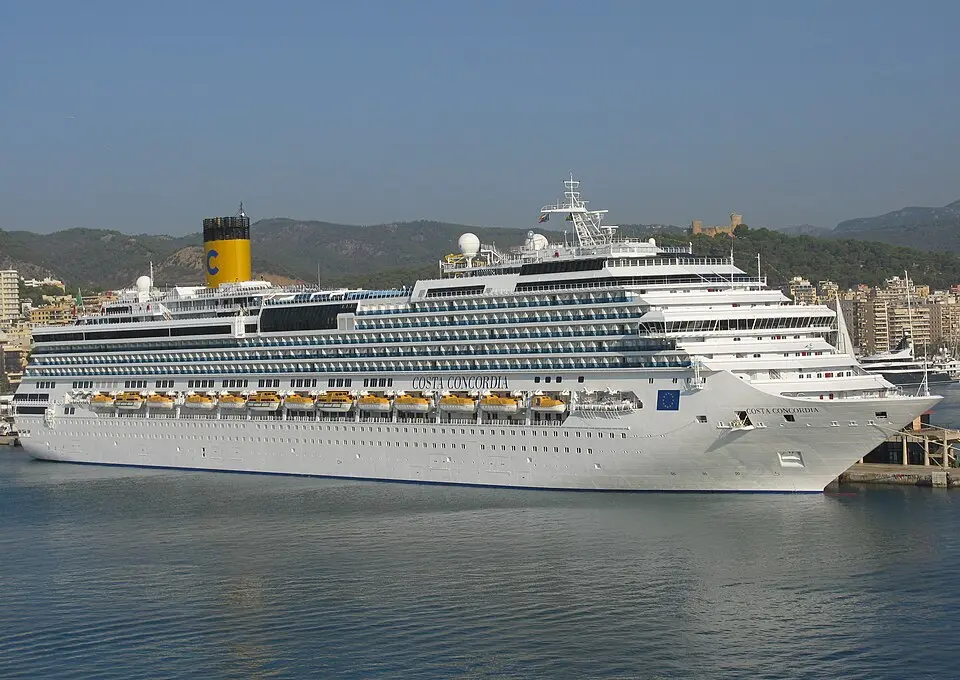
About Costa Concordia
When she entered service, the Costa Concordia was the largest Italian cruise ship and a prominent member of the Concordia class operated by the shipping line Costa Crociere. As part of the worldwide Carnival Corporation & plc, the ship, at more than 114,000 gross tons, ranked among the giants of the sea. The colorful interior design, created by the American architect Joseph Farcus, took its inspiration from European countries, which also gave their names to the decks. Particular highlights were the largest wellness center afloat at the time and a hydraulic Formula 1 simulator that gave passengers a realistic racing experience for an extra fee. The ship was completed in 2006 at the Fincantieri shipyard in Sestri Ponente and christened in the port of Civitavecchia before setting off on her maiden voyage from Savona.
On January 13, 2012, the Costa Concordia, on a Mediterranean cruise, became involved in one of the worst ship accidents of modern times. Under the command of Captain Francesco Schettino, the ship sailed close to the island of Giglio to salute its residents with a blast of the ship's horn, a practice known in Italy as the "inchino." During a course-change maneuver, the hull struck a rock just offshore, tearing a gash about 70 meters (230 feet) long. Water poured through this gash into the ship, immediately flooding several compartments. The engine rooms were inundated, and within minutes the ship lost propulsion and could no longer be maneuvered.
Instead of being brought to safety, the stricken ship was pushed toward the coast by wind and current. It ran aground just north of the small harbor of Giglio Porto and, over time, listed onto its starboard side until it came to rest on the seabed at an angle of about 65 degrees. The proximity to shore, in places only a few meters, allowed many passengers to jump overboard and swim to land. Even so, the disaster claimed 32 lives, including German citizens. The rescue effort was one of the most complex in recent decades, as the ship continued to sink deeper into the water in darkness and cold water temperatures.
The evacuation was chaotic and delayed. Many passengers were still at dinner when the impact occurred. Rescue measures began only after a complete blackout and delayed warnings. The ship's command initially reported only a power problem, while the authorities in Livorno learned of the accident only through chance reports from relatives. The full evacuation was not ordered until hours after the accident. Many people had to be recovered by lifeboat or helicopter, while others were provided with food, clothing, and shelter by the residents of the small island of Giglio, which has only about 1,400 inhabitants.
The investigations that followed the disaster uncovered numerous errors in navigation and crisis management. The course planning was flawed, as there were no detailed charts of the coast on board and the captain initiated the maneuver too late. He was also on the phone with a colleague at the critical moment instead of concentrating fully on steering the ship. Particularly serious was the early departure from the ship by the captain and several officers, even though several hundred people were still on board. Phone recordings showed that the captain left the ship shortly after midnight while the evacuation was still under way.
The criminal proceedings against Captain Francesco Schettino and other defendants lasted years. Schettino was charged with multiple counts of manslaughter, causing a shipwreck, and abandoning ship prematurely. After lengthy trials and appeals, he was sentenced in 2017 in a final ruling to 16 years and one month in prison. The court also banned him from commanding ships for five years and imposed a lifetime ban on holding public office. The shipping line Costa Crociere also came under criticism, as its crisis team failed to pass information to the authorities in time and is said to have initially tried to conceal the extent of the damage.
After the disaster, the focus turned to salvaging the wreck. The roughly 2,200 tons of fuel on board posed a considerable danger to the environment and the nature reserves of the Tuscan islands. The Italian government therefore declared a state of emergency. Experts emptied the tanks to prevent oil from leaking. The decision came down in favor of salvaging the ship in one piece and then transporting it to Genoa for scrapping rather than breaking it up on site. The islanders preferred this method, as it minimized the view of the wreck and reduced the environmental impact of demolition work on site.
Righting the ship was the largest salvage operation of its kind in history. In September 2013, after 18 months, the wreck was rotated upright on the seabed. To do so, the sloping seafloor beneath the ship was fitted with a level platform and the ship's hull was reinforced. With the help of strand jacks and flooded caissons, the ship was brought into a horizontal position in about 19 hours. For this operation, 30,000 tons of steel were used, roughly two-thirds of the ship's mass. The winches achieved a pulling force of up to 23,800 tons.
After being righted, the ship rested on a platform anchored to the seabed. To make it buoyant again, flotation tanks were attached to its sides and filled with air. This process was technically demanding and took months. In July 2014, the wreck was finally released from the platform and raised by two meters. It was then pulled 30 meters (about 100 feet) from the rocky coast toward the sea and secured with chains and ropes. Before it was towed away, the hull was inspected with robots to ensure that no liquids could escape.
On July 23, 2014, the transport of the wrecked ship to Genoa began. The Costa Concordia was towed at low speed over several days to protect the environment. On July 27, the wreck arrived in Genoa, where it was placed in a dry dock. The scrapping of the ship was completed in July 2017. The shipping line initially estimated the cost of the salvage and transport at more than €600 million, but the actual costs came to €1.5 billion, more than three times the ship's original construction price.
The Costa Concordia remains a symbol of the risks of the cruise industry and the need for strict safety standards. The accident led to a review of safety protocols worldwide and to an intense debate about the responsibility of shipping lines and captains. The residents of Giglio were awarded the Gold Medal of Civil Merit for their courageous efforts in rescuing the passengers. The wreck itself is now history, but the lessons of the disaster continue to shape maritime safety today.
At a glance
- Category
- Sight › Historic sites
- Rating
- no reviews yet · write a review
- Address
- —
Genoa, Italy - Phone
- —
- Website
- —
- —
- Coordinates
- 44.41500° N · 8.78000° E
- Data quality
- confidence 0.80
- Identifier
- ID 41fa3376-981…
Location & surroundings
Toggle layersRatings & comments
none yetNear Costa Concordia
closest 5 per category · 2 kmRestaurants
Museums
None within 2 km.
Hotels
Cocktail bars
None within 2 km.
More:Historic sites in Genoa (172)All sights in Genoa (254)
32 places within 2 km loaded.
Don't miss in Genoa
All sights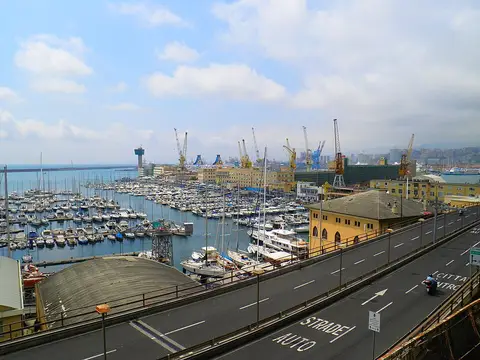 Historic sites01
Port of Genoa
No address · Genoa● Website○ Phone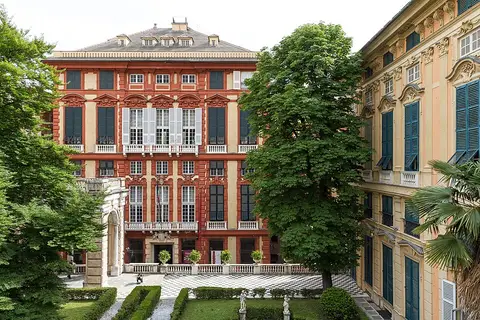 Historic sites02
Palazzi dei Rolli
Via Garibaldi · Genoa● Website○ Phone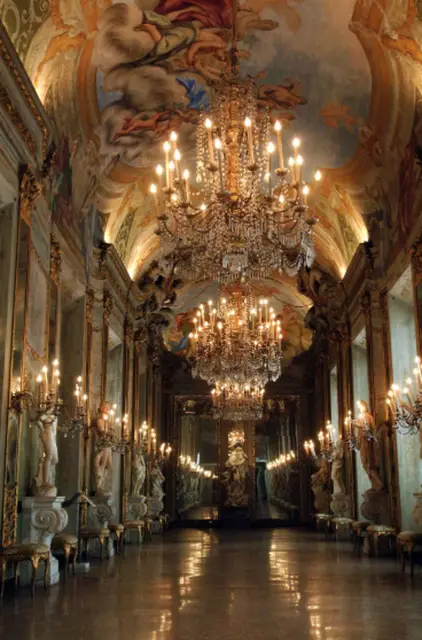 Historic sites03
Le Strade Nuove and system of Palazzi dei Rolli
Via Balbi, 2 · Genoa○ Website○ Phone Palaces04
You need a free account to leave reviews and photos – that keeps comments genuine and lets you edit them later.