Discover Dublin: Trinity, Pubs, and Georgian Squares
Travel guide · editorialIn Dublin, music is as much a part of the evening as the pint is to the bar: in the pubs, someone plays the fiddle, another person sings, and at some point the whole room joins in. The Irish capital is home to four Nobel laureates in literature, Georgian squares, and a tech scene that has given the city a new boost. A city break in Dublin combines history, literature, and hospitality.
Vikings, the British, and Independence
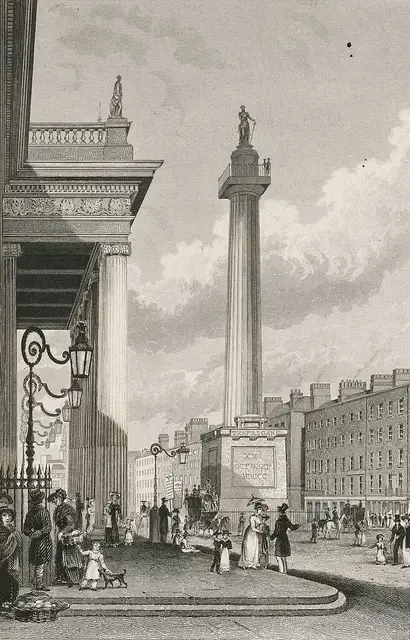
In the 9th century, Vikings founded a settlement at the mouth of the Liffey; the name comes from the Irish Dubh Linn, "black pool." After the Norman conquest, Dublin became the center of English rule in Ireland. In the 18th century it was one of the largest cities in the British Empire, with elegant Georgian houses whose colorful doors are a popular photo subject today. The Easter Rising of 1916 at the General Post Office on O'Connell Street was the prelude to independence, which was achieved in 1922.
Sights in Dublin
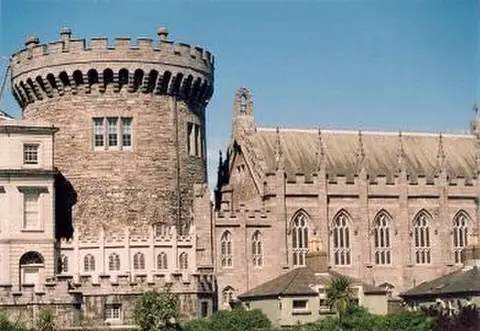
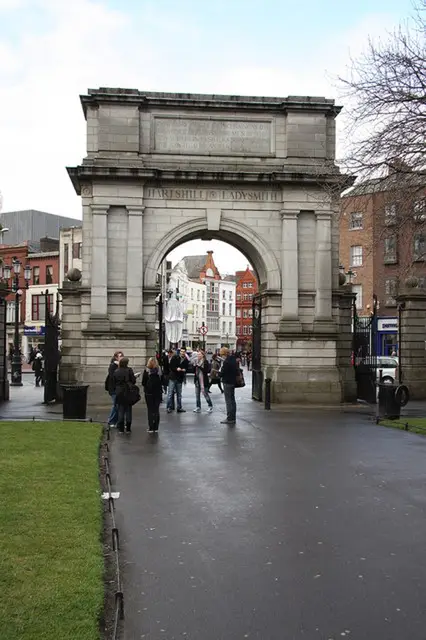
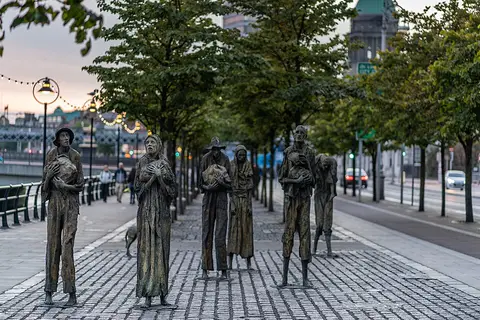
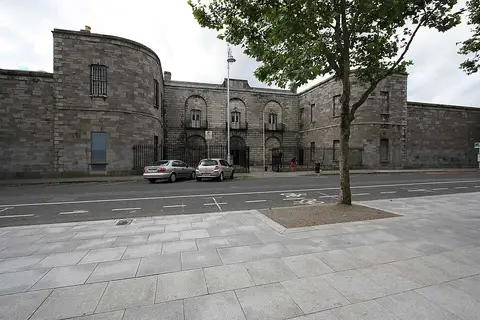
Trinity College, founded in 1592, is home to the Book of Kells, a magnificently illustrated 9th-century manuscript of the Gospels, and the Long Room Library with its enormous vaulted ceiling. The library is being renovated in stages, and some of the books have been temporarily moved elsewhere. The Guinness Storehouse at the brewery at St. James's Gate tells the story of stout, and in the Gravity Bar on the top floor you can enjoy a pint with a view over the city. Dublin Castle, St. Patrick's Cathedral, whose dean was once Jonathan Swift, and Christ Church Cathedral bear witness to the city's long history. The Ha'penny Bridge, a cast-iron pedestrian bridge from 1816, connects the banks of the Liffey. The city park St. Stephen's Green and Merrion Square, with its Georgian houses and a statue of Oscar Wilde, invite you to take a stroll. EPIC, a museum about Irish emigration, and Kilmainham Gaol, a prison where the leaders of the Easter Rising were executed, are moving experiences.
Neighborhoods, Pubs, and Food
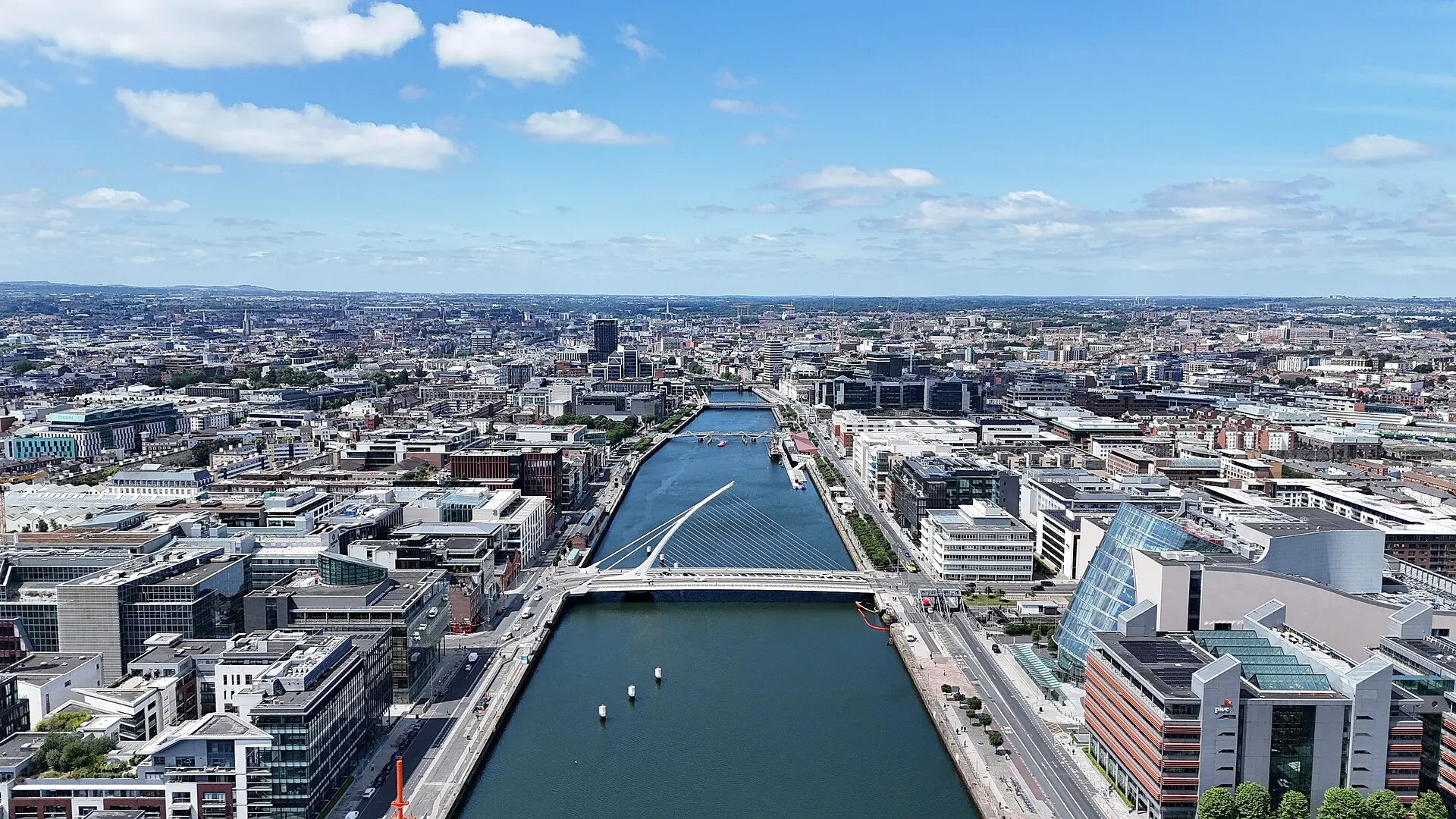
Temple Bar is the best-known nightlife district, with pubs and live music, but it is expensive and touristy; for a more authentic experience, head to the pubs around Baggot Street in Baggotrath or in the Ranelagh neighborhood. The North Dock with the Convention Centre and the Docklands, where Google, Meta, and other companies have their European headquarters, is the modern face of the city. In Dublin's restaurants you'll find Irish stew, fish and chips, oysters from Galway, and seafood chowder. Breakfast means the Full Irish Breakfast with sausages, bacon, and black and white pudding. On June 16, Bloomsday, literature fans follow in the footsteps of James Joyce's "Ulysses."
Getting Around and Best Time to Visit
Dublin Airport (DUB) is about six miles north of the city, and express buses run to the center. The Luas tram and the DART coastal rail line connect the city and the coastal towns. The best time to visit is from May to September, though rain is possible at any time. On March 17, Dublin celebrates St. Patrick's Day with a big parade. Excursions lead to Howth with its cliff walks, the Wicklow Mountains, and Glendalough with its monastic settlement. The DART also takes you to the coastal towns of Dalkey and Bray in half an hour, where trails lead along the cliffs.