
County Dublin: Capital, Harbor, and Peninsulas
Travel guide · editorialAround a quarter of all Irish people live in County Dublin, and yet the heather-covered Dublin Mountains begin just half an hour from the center. A vacation in County Dublin gives you a capital city, fishing harbors, and cliff paths all in one: Georgian squares in the morning, seals in Howth Harbor in the afternoon. Few European capitals sit so close to the open sea.
Between the Liffey and Dublin Bay
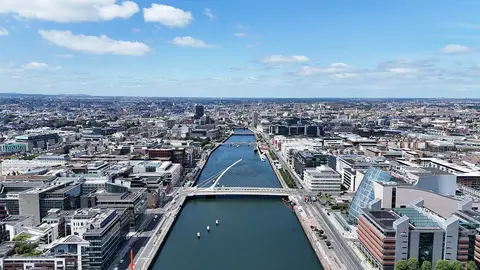
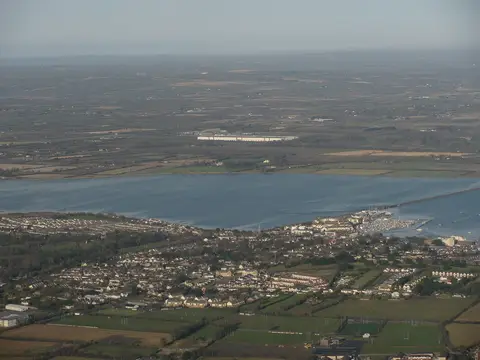
The county is one of the smallest in the Republic, but by far the most populous. Since 1994 it has been divided into four administrative areas: Dublin City, Fingal to the north with Swords and Malahide, South Dublin with Tallaght, and Dún Laoghaire-Rathdown on the south coast. The Liffey divides the city into Northside and Southside, a rivalry Dubliners still love to joke about. To the west, suburbs such as Blanchardstown are growing, while to the south the granite hills rise and blend seamlessly into the Wicklow Mountains.
Sights in County Dublin
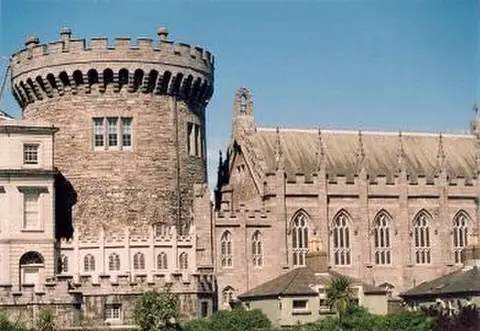
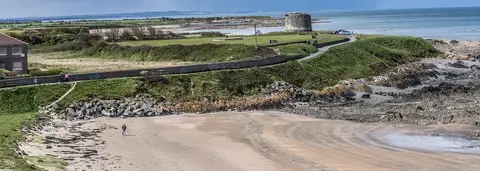
In the center, the classic walking route leads from Trinity College and the Book of Kells along Grafton Street to St Stephen's Green and on to the houses of Merrion Square with their colorful doors. Dublin Castle, Christ Church Cathedral, and St Patrick's Cathedral tell the story of Vikings, Normans, and English rule. Kilmainham Gaol is the most powerful place to understand the path to independence; the Guinness Storehouse at St James's Gate draws visitors with its views over the rooftops. Phoenix Park, one of the largest enclosed city parks in Europe, is home to fallow deer and the official residence of the president. Outside the center, Malahide Castle, the lighthouse trail around Howth Head, and the Joyce Tower in Sandycove are all worthwhile destinations.
Literature, Music, and Pub Culture
Dublin is a UNESCO City of Literature, and you can feel it: Joyce, Wilde, Beckett, Swift, and Yeats all lived here, and on June 16 people in period costume parade through the city for Bloomsday. In the evening, traditional music plays in pubs around Temple Bar or in quieter spots in Stoneybatter and Rathmines. A pint goes well with a plate of Dublin coddle, a stew of sausages, bacon, and potatoes, or with freshly caught fish in Howth. Around St Patrick's Day in March, the whole city turns into a festival ground. A young food scene has settled around Camden Street and in the market halls of the Smithfield neighborhood.
Coastal Towns and Day Trips
The DART train connects the coast from Malahide all the way to Greystones. Along the way you'll find Dún Laoghaire with its long harbor piers, Dalkey with its offshore island, and Killiney with its wide bay. To the north, Skerries and the fishing village of Howth are worth a visit; to the south, the Forty Foot, where Dubliners plunge into the cold water year-round. Hikers can take a bus to the Dublin Mountains Way, which offers views over the whole bay.
Getting There and Best Time to Visit
Dublin Airport is the island's most important hub, and ferries from Holyhead dock in the port. Once you're here, the Luas tram, DART, and buses are all you need; a car is more of a hindrance. The best time to visit is between May and September, when the days are long. Rain is part of the deal, but it's less frequent in the east than on the Atlantic coast. Hotels are expensive, and booking early pays off, especially for concerts and rugby matches. If you want to save money, stay in the coastal towns along the DART line and you'll still be in the center within half an hour. In winter the days are short, but museums such as the National Gallery, the Archaeology Museum, and the Chester Beatty Library offer free admission and can keep you busy for hours when it rains.