Hamburg: Harbor, Elbe and Speicherstadt
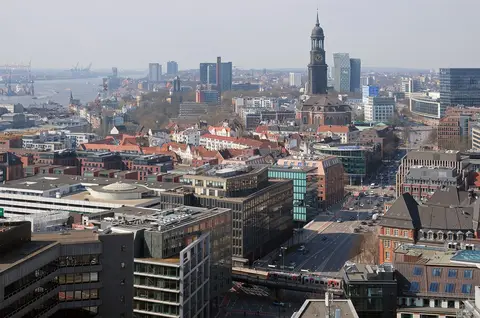
Travel guide · editorialHamburg is a city-state, a port metropolis and the second-largest city in Germany, shaped by water in every form: the Elbe, the Alster, canals and fleets. A vacation in Hamburg takes you through the Speicherstadt and HafenCity, up to the Plaza of the Elbphilharmonie, across the fish market and into neighborhoods from Altona to Bergedorf.
A City on the Water
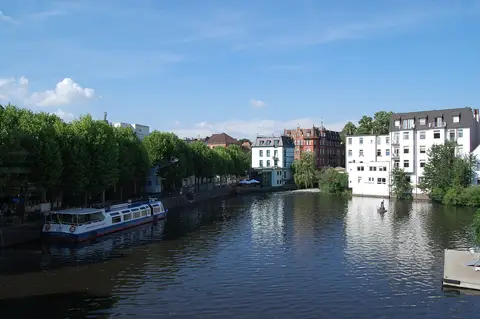
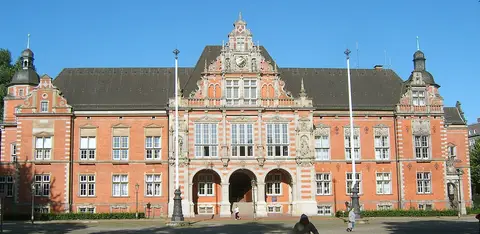
Hamburg lies about 100 kilometers from the North Sea on the Lower Elbe, yet the tides can be felt all the way into the city. The port is one of the largest in Europe. In the center, the Alster is dammed into the Inner and Outer Alster, where people sail, row and jog along the shores. Hamburg has more bridges than Amsterdam and Venice combined, around 2,500. As a free imperial city and Hanseatic city, Hamburg was independent for centuries; its official name, Free and Hanseatic City of Hamburg, is a reminder of that. To this day, the Senate governs from the neo-Renaissance City Hall, the seat of the Senate and the state parliament.
Sights in Hamburg
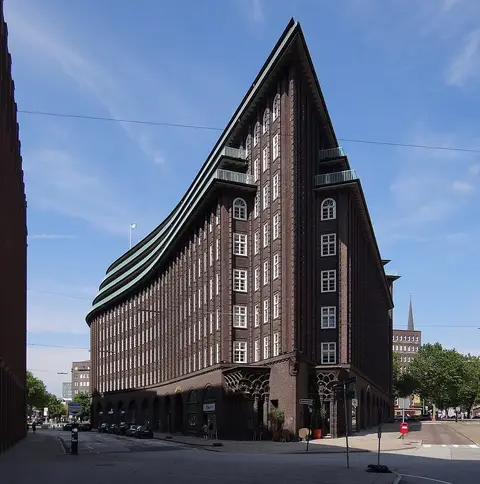
The Speicherstadt, an ensemble of brick warehouses built on oak piles, is a UNESCO World Heritage Site along with the Kontorhaus District and the Chilehaus. This is also home to Miniatur Wunderland, the largest model railway in the world. Next to it, HafenCity, one of Europe's largest urban development projects, continues to grow, with the Elbphilharmonie, which opened in 2017; its public Plaza offers panoramic views over the harbor and city. Harbor tour barges depart from the Landungsbrücken piers, and the Old Elbe Tunnel from 1911 runs beneath the river. The Michel, the main church of St. Michaelis, is the city's landmark. The Kunsthalle, the Museum of Art and Craft and the International Maritime Museum round out the offerings.
Districts: Altona, Wandsbek, Harburg and Bergedorf
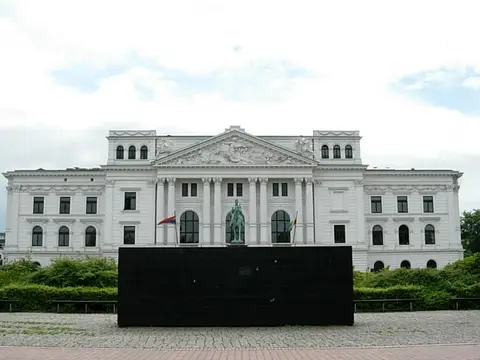
Hamburg is divided into seven districts. Altona was an independent city until 1937 and was Danish for a time; it stretches from the trendy Ottensen neighborhood past the fish market, which opens early every Sunday, to the Elbe beach and the villas of Blankenese with its neighborhood of stairways. St. Pauli, with the Reeperbahn and the musical theaters, belongs to the Hamburg-Mitte district. Wandsbek is the most populous district, mostly green and middle-class, with nature reserves such as the Duvenstedter Brook. Harburg, south of the Elbe, has its own small old town, the Technical University and access to the Harburg Hills. Bergedorf in the southeast has Hamburg's only castle and the Vier- und Marschlande, a vegetable- and flower-growing region with thatched-roof farmhouses. In the Altes Land just across the state border, fruit trees bloom in spring. A walk takes you through the Kontorhaus District with the Chilehaus, whose tip looks like a ship's bow, along the Jungfernstieg on the Inner Alster and through the arcades of the city center. In the Stadtpark, a planetarium is housed in an old water tower.
Culture and Nightlife
After New York and London, Hamburg is one of the biggest musical theater hubs in the world. The Beatles played in clubs in St. Pauli in the early 1960s, and the Beatles-Platz commemorates them. The Schanzenviertel and Ottensen are neighborhoods full of bars and cafés, and along the Elbe you can sit in beach bars. Every year brings the Hafengeburtstag (harbor birthday) in May, the Reeperbahn Festival in September and the Dom, a funfair held three times a year.
Food and Drink
Fish sandwiches are simply part of the experience at the Landungsbrücken, made with pickled herring, Bismarck herring or shrimp. Labskaus, Pannfisch with mustard sauce, eel soup, and pears, beans and bacon are traditional dishes. The Franzbrötchen, a pastry with cinnamon and sugar, is the classic Hamburg breakfast. A lot of coffee is traded and roasted in Hamburg, for example in the Speicherstadt. Astra and Holsten are the classic beers, and there are also many craft breweries.
Getting There and Best Time to Visit
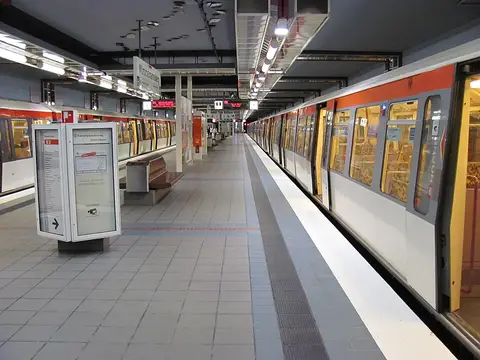
Hamburg Airport is in the north of the city and is connected by S-Bahn. The main train station is one of the busiest in Germany, with ICE connections to Berlin in just under two hours. In the city, the U-Bahn, S-Bahn and harbor ferries run, and you can use them with a regular public transit ticket; Line 62 makes for an inexpensive harbor tour. The best time to visit is from May to September, even though the weather is changeable. During Advent, Christmas markets at City Hall and in St. Pauli draw visitors.