

Discover Hamburg: Harbor, Elbphilharmonie and the Kiez
Travel guide · editorialGiant container ships glide up the Elbe, seagulls shriek above the Landungsbrücken piers, and the wave-shaped glass facade of the Elbphilharmonie shimmers atop an old quayside warehouse. Hamburg is Germany's gateway to the world and a city full of water, with more bridges than Venice. A vacation in Hamburg combines harbor romance, Hanseatic elegance and a nightlife that reaches far beyond the Reeperbahn.
A Hanseatic City on the Water
The ninth-century Hammaburg grew into a powerful Hanseatic city. According to tradition, Hamburg has enjoyed duty-free passage on the Elbe since 1189, and the Harbor Birthday in May commemorates it. The Great Fire of 1842 and the bombing raids of 1943 destroyed large parts of the city. Even so, Hamburg remained a merchants' city with proud counting-house buildings and villas along the Elbchaussee, and to this day it is a city-state with its own Senate.
Sights in Hamburg
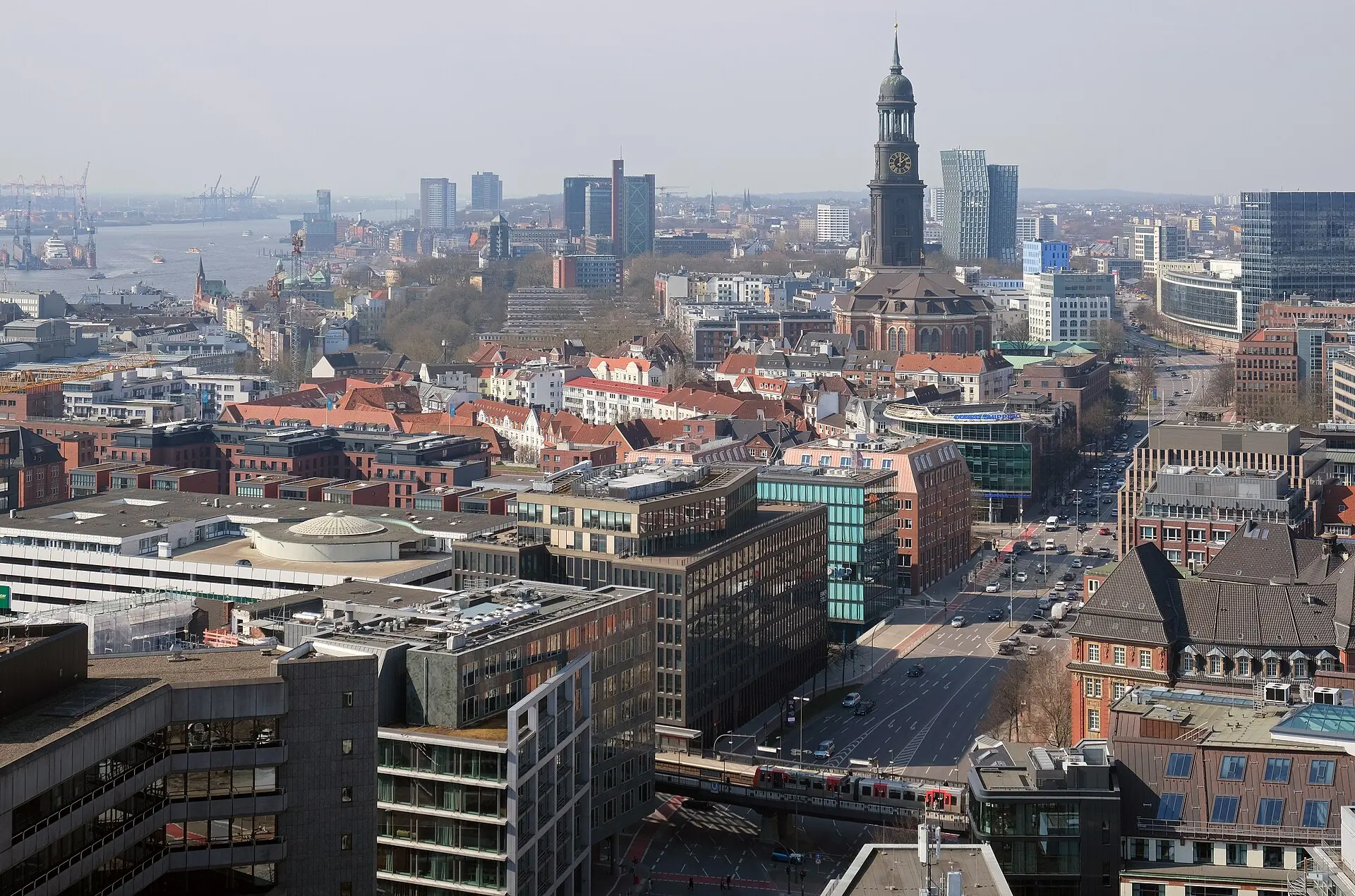
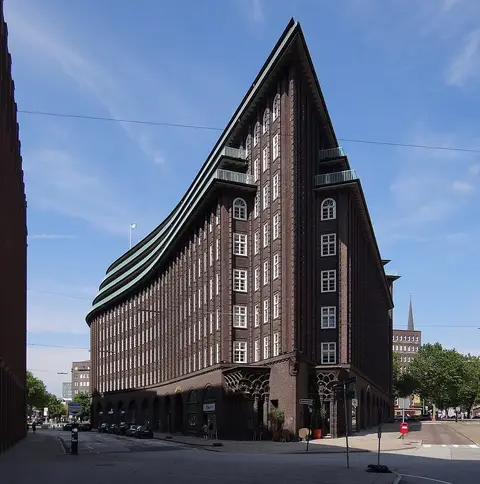
The Elbphilharmonie in the HafenCity has been the city's new landmark since 2017; the public plaza at a height of 37 meters is freely accessible with a timed ticket and offers a panoramic view over the harbor and the city. Next door lies the Speicherstadt, the world's largest continuous warehouse complex, with red brick and canals – together with the Kontorhaus District and the Chilehaus, a UNESCO World Heritage Site. Its warehouses house the Miniatur Wunderland, the world's largest model railway, as well as spice and coffee museums. The City Hall in the Old Town is more opulent than many a palace, and the Binnenalster with the Jungfernstieg is the elegant heart of the city. The main church of St. Michaelis, known as the "Michel," is the traditional landmark, and at the Landungsbrücken you'll find the entrance to the Old Elbe Tunnel from 1911.
Museums and Culture
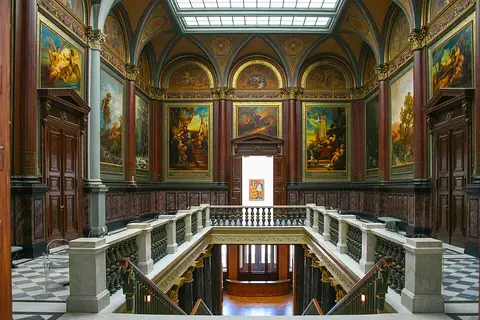
The Hamburger Kunsthalle shows works from Caspar David Friedrich to the present day, while the Museum of Art and Craft focuses on design and decorative arts. The International Maritime Museum is devoted entirely to seafaring, and the BallinStadt Emigration Museum tells the story of the millions of people who left from here for America. Hamburg is Germany's musical capital, with theaters at the Landungsbrücken and on the Reeperbahn.
Neighborhoods and Nightlife
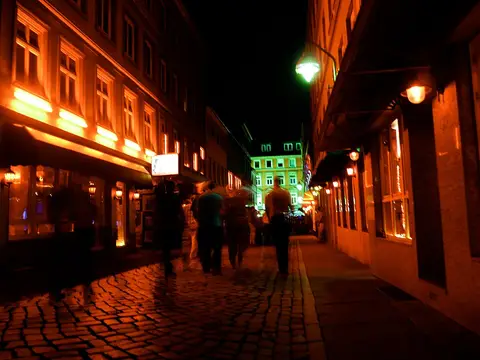
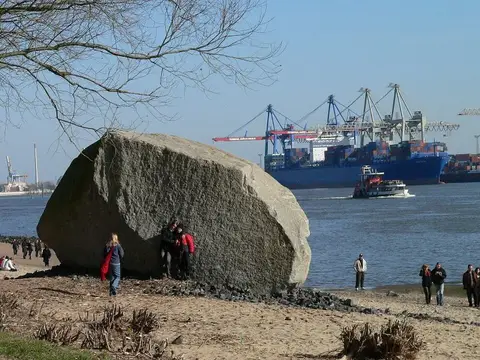
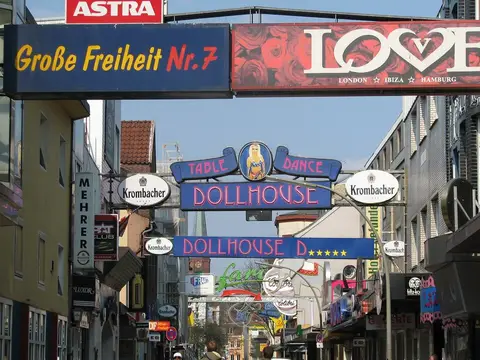
St. Pauli is home to the Reeperbahn, the Große Freiheit, whose clubs hosted the Beatles' first performances, and the Millerntor Stadium. In the Schanzenviertel and in Ottensen, people meet in alternative bars and cafés. St. Georg, behind the main train station, is colorful and queer, while Eimsbüttel, Rotherbaum and Winterhude are popular residential neighborhoods with period buildings and canals. The Outer Alster invites you to sail, row and stroll; the roughly seven-kilometer loop around the lake is the favorite route of Hamburg's joggers. In the evening, life shifts to the Elbe: on the beach at Övelgönne, people sit in the sand watching the container ships, and in Altona and at the Fischmarkt, bars open in former warehouses. If you're looking for live music, St. Pauli and the Sternschanze have clubs for almost every genre.
Eating in Hamburg
The fish sandwich is the classic, best enjoyed with pickled herring, matjes or shrimp at the Landungsbrücken. Other specialties include labskaus, pannfisch, eel soup and sweet Franzbrötchen pastries. On Sundays, the Fischmarkt in Altona opens in the early morning, where market criers hawk eels and crates of fruit and live music plays in the old auction hall.
Getting Around and Best Time to Visit
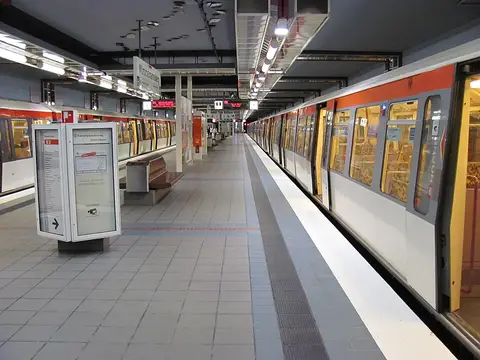
The airport lies in the north of the city, and the S-Bahn takes about 25 minutes to reach the main train station. Subways, S-Bahn trains and buses serve the city, and the HADAG harbor ferries are included in the regular public transit fare – Line 62 from the Landungsbrücken to Finkenwerder makes for an inexpensive harbor tour. The best time to visit is May through September, though rain is possible all year round. Excursions lead to the Altes Land with its fruit orchards, which bloom white and pink in spring; to Blankenese with its neighborhood of staircases and the Elbe beaches, where you can get very close to the ships; and to the North Sea and Baltic Sea coasts, both reachable in just over an hour. Lübeck, with its brick-built old town and the Holstentor, is a worthwhile day trip. In May the city celebrates the Harbor Birthday with ship parades, and in summer the Hamburger Dom draws crowds, a large fair on the Heiligengeistfeld held three times a year.