Discover Nuremberg: Imperial Castle, Dürer, and Lebkuchen
Travel guide · editorialThe Imperial Castle rises above the Old Town on a sandstone rock, and in the lanes below the air smells of grilled sausages and gingerbread. Nuremberg was one of the most important cities of the Holy Roman Empire and is now the largest city in Franconia. A city break in Nuremberg combines medieval splendor, Dürer's legacy, and a moving reckoning with the 20th century.
The Empire's Treasure Chest
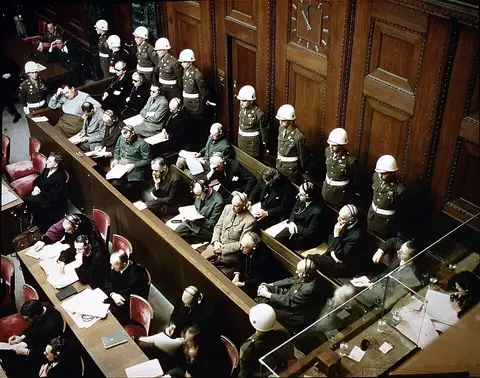
In the Middle Ages, Nuremberg was a Free Imperial City where emperors resided and the imperial regalia were kept. Craftsmen and merchants made it a center of art, science, and trade; Albrecht Dürer, Veit Stoss, and Martin Behaim, who created the oldest surviving globe, all lived here. Under the Nazis, Nuremberg became the "City of the Reich Party Rallies" and lent its name to the racial laws of 1935. After the war, the Nuremberg Trials of the major war criminals were held here. The Old Town, heavily destroyed in the war, was largely rebuilt following its historic model.
Sights in Nuremberg
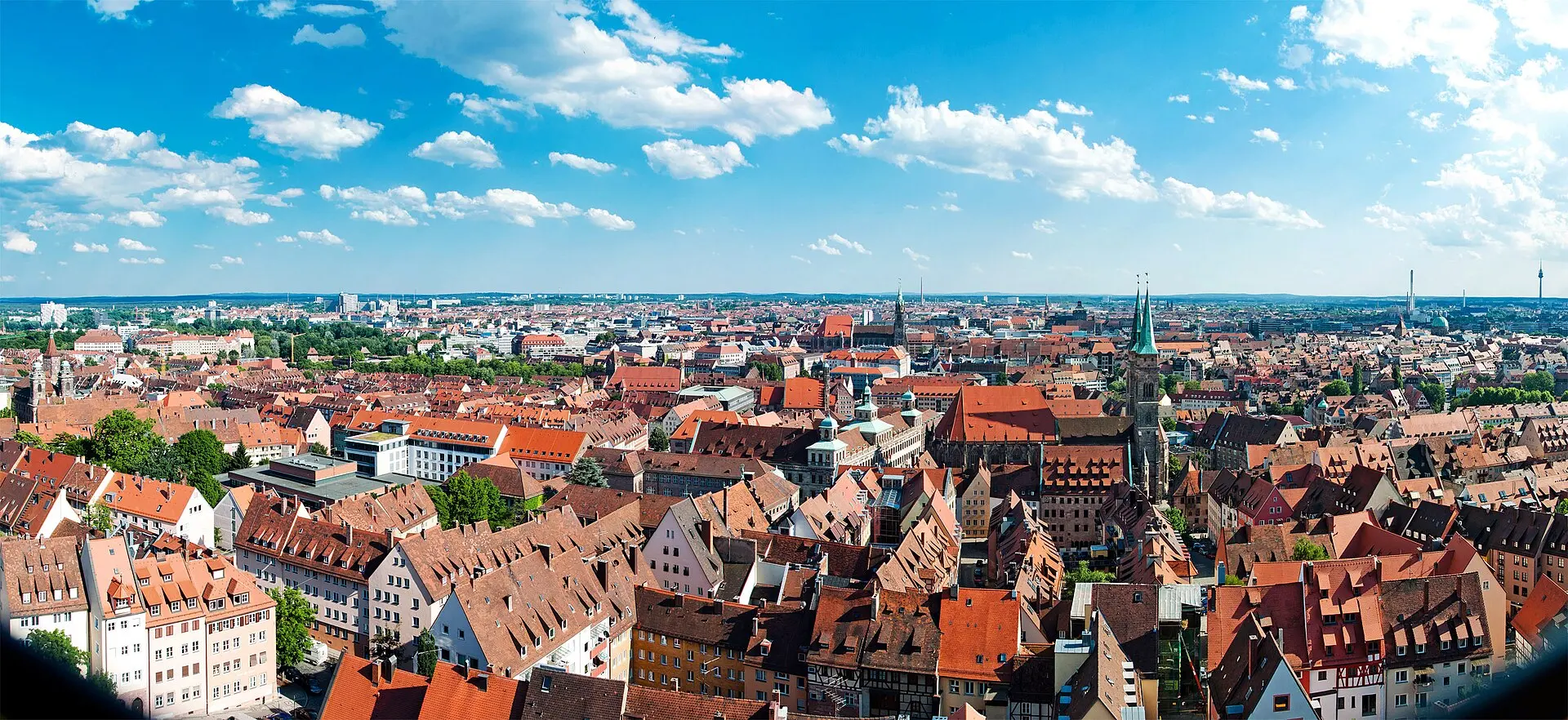
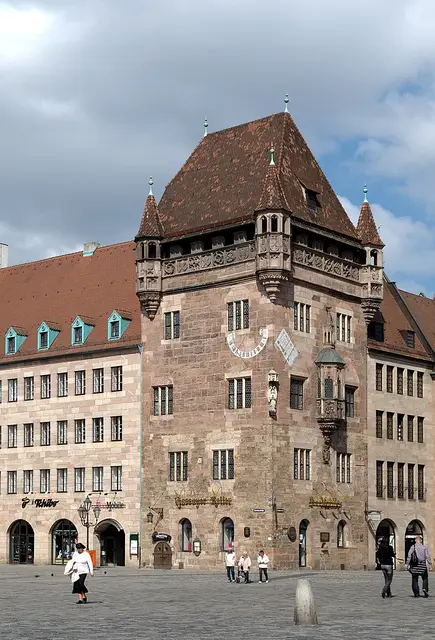
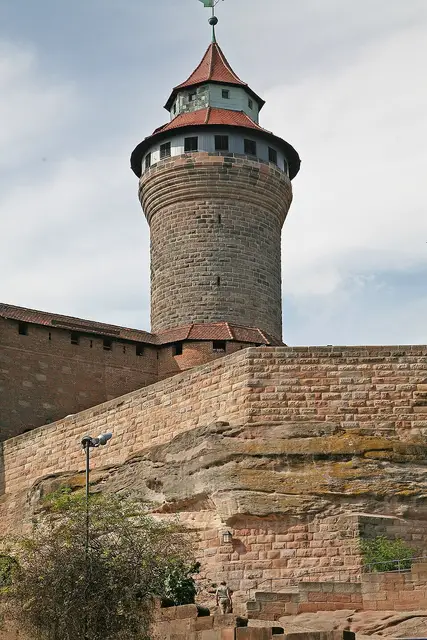
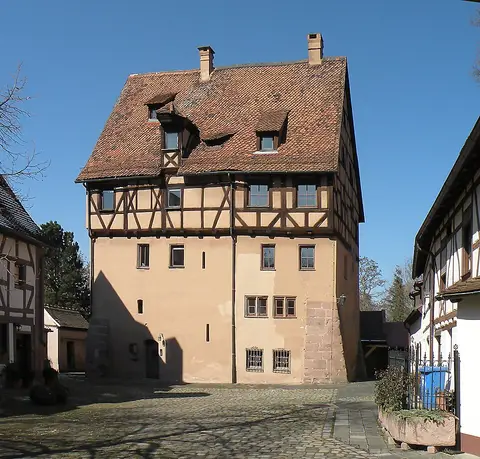
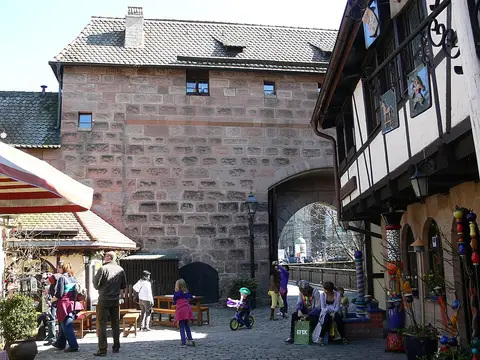
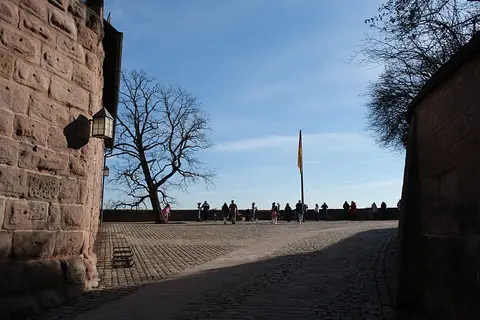
The Imperial Castle, with the Sinwell Tower and its deep well, offers a view over the rooftops of the Old Town. Below it stands the Albrecht Dürer House, where the painter lived for almost two decades. The Old Town is divided by the Pegnitz River: St. Sebald lies to the north and St. Lorenz to the south, each a Gothic hall church. The Main Market, with the Beautiful Fountain and the Church of Our Lady, on whose façade the "Männleinlaufen" mechanical clock show begins at noon, is the heart of the city. The roughly five-kilometer-long city wall with its towers and gates is almost completely preserved. Along the Pegnitz you'll find the Holy Spirit Hospital and the Hangman's Bridge.
Museums and Remembrance
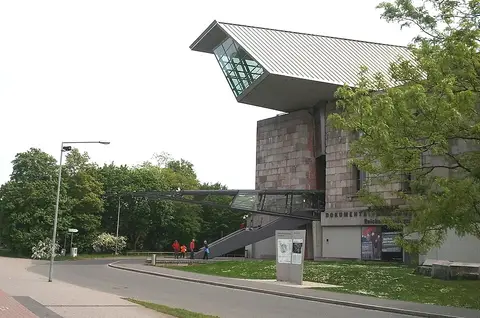
The Germanic National Museum is the largest museum of cultural history in the German-speaking world, with Dürer's paintings and Behaim's globe. The Toy Museum reflects the tradition of the toy city, which hosts the world's largest toy fair every year. At the Nazi Party Rally Grounds in the southeast, a documentation center in the unfinished Congress Hall explains Nazi propaganda, and the Memorium Nuremberg Trials lets you see Courtroom 600, where the trials took place.
Eating in Nuremberg
Nuremberg bratwursts are small, finger-thick sausages served three in a bun ("Drei im Weggla") or six at a time with sauerkraut and potato salad. "Saure Zipfel" are sausages simmered in a vinegar broth. Nuremberg Lebkuchen are known worldwide; the finest are the Elisenlebkuchen, with a high proportion of nuts and almonds. Franconian beer from small breweries and Franconian wines go well with them. The rock cellars beneath the castle, where beer was once stored, can be visited on guided tours.
Christkindlesmarkt and When to Go
In Advent, the Main Market becomes the famous Christkindlesmarkt (Christmas market), opened by the Christkind from the Church of Our Lady. Otherwise, the best time to visit is from May to September, when you can sit by the Pegnitz. The airport lies just a few kilometers to the north and is connected to the main train station by subway in about twelve minutes. Day trips lead to Bamberg, with its UNESCO-listed Old Town and smoked beer, to Fürth, Erlangen, and to the Franconian Switzerland region, with its castles, rock formations, and the highest density of breweries in the world. In summer, the Bardentreffen, a large street music festival, and Classical Open Air in Luitpoldhain are big draws.