About Musée de la Faïence
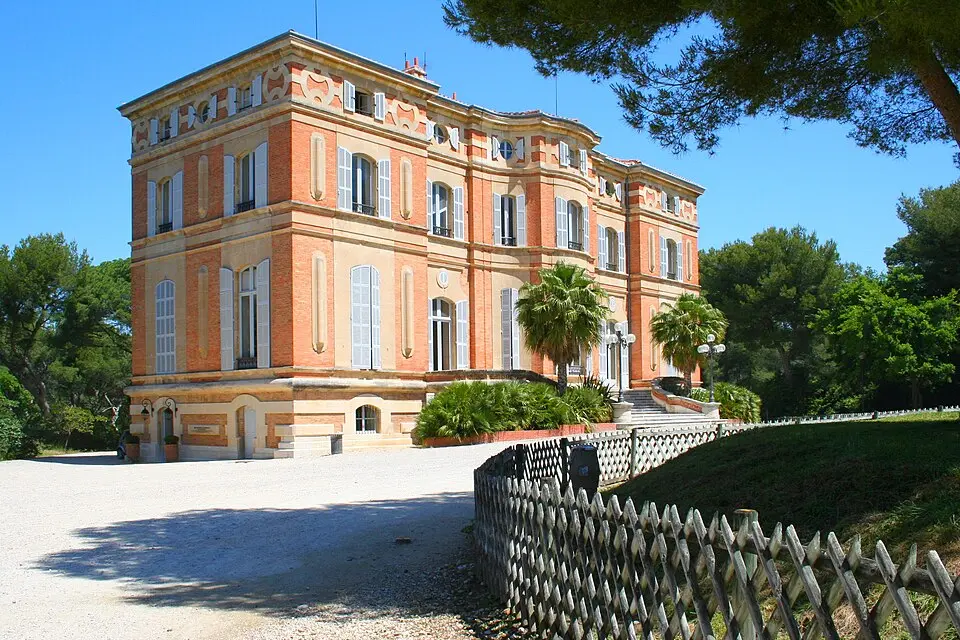
The Musée de la Faïence in Marseille was a specialized museum devoted to the history and art of faience. It was located in the southern part of the city in the historic Château Pastré, a 19th-century building at the end of a long avenue in the 120-hectare Campagne Pastré city park. The polychrome country house, with its pink bricks and white stone, was designed around 1860 by the Parisian architect Jean-Charles Danjoy for Eugène Pastré and his wife, who hosted social events there. The museum opened its doors in June 1995 and presented one of the most important collections of faience in Europe. The exhibits came partly from purchases by the city and partly from valuable donations, including the collection of Mr. and Mrs. Jourdan-Barry. Alongside historic pieces from Marseille, the museum also showed works from Moustiers-Sainte-Marie as well as modern glass and ceramic objects. After it closed on December 31, 2012, the holdings were moved to the new Museum of Decorative Arts, Fashion and Ceramics in the Château Borély, as part of the preparations for Marseille's year as European Capital of Culture in 2013.
The collection on display documents the rich pottery tradition of the region, which dates back to the 16th century. Particularly noteworthy is the development beginning in the late 17th century, when Joseph Clérissy, under the patronage of the influential Joseph Fabre, founded the first significant manufactory in Saint-Jean-du-Désert. This workshop initially produced Baroque vessels with blue decoration, before various styles and techniques took hold in the 18th century. Visitors could admire works from several famous manufactories, including that of Joseph Fauchier, known for its natural flower arrangements, and that of Veuve Perrin, which stood out for its naturalistic depictions of insects and marine creatures as well as the introduction of a turquoise glaze. The output of Honoré Savy, who developed a green color from copper, and Gaspard Robert, who created large vases with relief work, was also part of the exhibition. The collection illustrated how the growing prosperity of the middle class and changing eating habits drove demand for high-quality, artfully decorated everyday objects.
At a glance
- Category
- Museum › Museums (general)
- Rating
- no reviews yet · write a review
- Address
- —
Marseille, France - District
- 8th Arrondissement
- Phone
- +33491724347
- Website
- www.sarreguemines-museum.eu
- —
- Coordinates
- 43.23353° N · 5.37344° E
- Data quality
- confidence 0.82
- Identifier
- ID 9bd2b2b6-c8a…
Location & surroundings
Toggle layersRatings & comments
none yetNear Musée de la Faïence
closest 5 per category · 2 kmSights
Restaurants
Hotels
Cocktail bars
More:All museums in Marseille (61)
84 places within 2 km loaded.
Don't miss in Marseille
All sights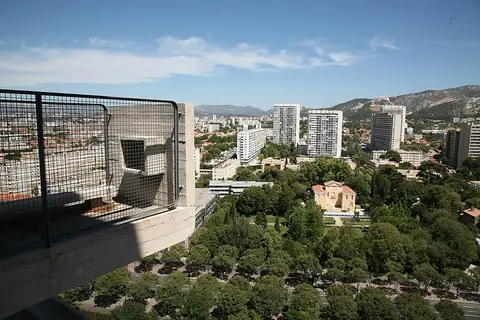 Historic sites01
Unité d'Habitation
280 Bd Michelet · Marseille● Website○ Phone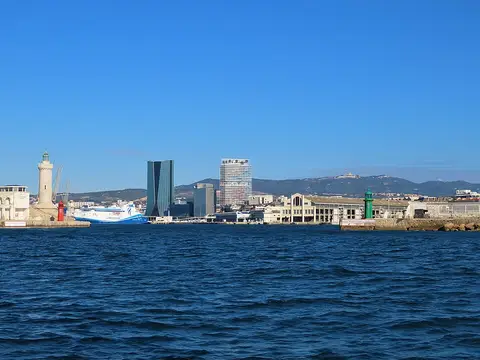 Historic sites02
Tour La Marseillaise
6 Rue Jean-Gaspard Vence · Marseille○ Website○ Phone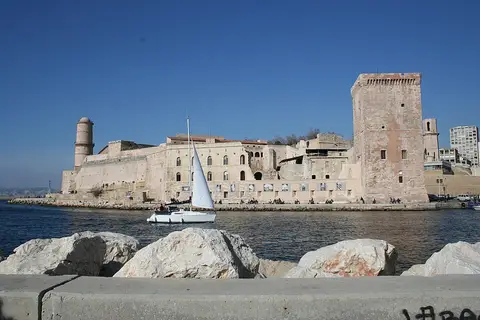 Forts03
Fort Saint-Jean
Prom. Robert Laffont · Marseille● Website● Phone Historic sites04
You need a free account to leave reviews and photos – that keeps comments genuine and lets you edit them later.