Discover Brno: Villa Tugendhat, Špilberk, and Coffee
Travel guide · editorialBrno lives in the shadow of Prague, and that is exactly why it surprises: the Czech Republic's second-largest city has an icon of modern architecture, an ossuary beneath the Old Town, and one of the liveliest café and bar scenes in Central Europe. A city break in Brno combines easily with a trip to Vienna.
Moravian Metropolis
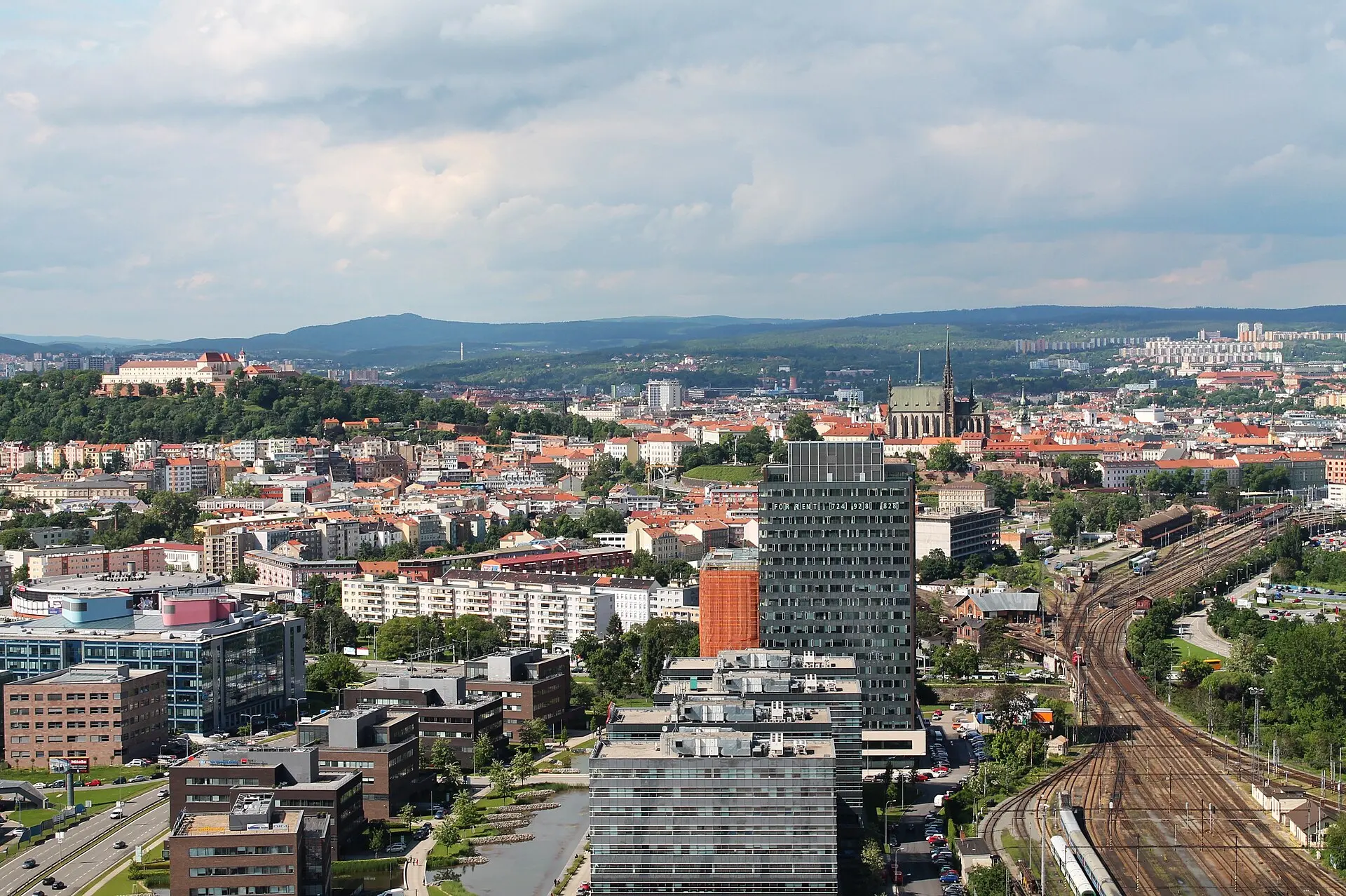
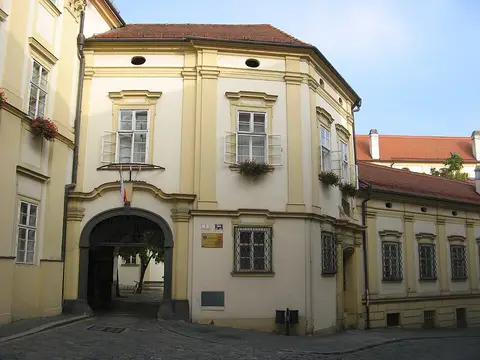
Brno grew up around Špilberk Castle in the Middle Ages and became the capital of Moravia. In 1645, the city withstood a Swedish siege during the Thirty Years' War. In the 19th century, the textile industry turned Brno into the "Austrian Manchester," and German- and Czech-speaking residents lived side by side. In the Augustinian monastery, the monk Gregor Mendel carried out his pea-crossing experiments, laying the foundations of genetics. Between the wars, numerous Functionalist buildings went up. Today, with its universities, Brno is a student city and the seat of the Czech Republic's highest courts.
Sights in Brno
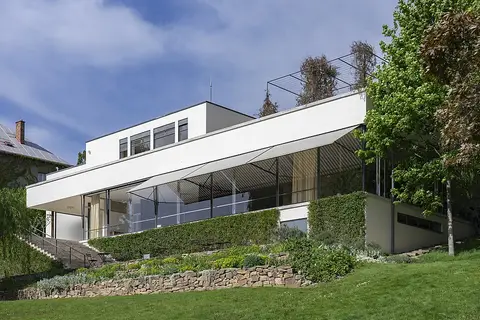
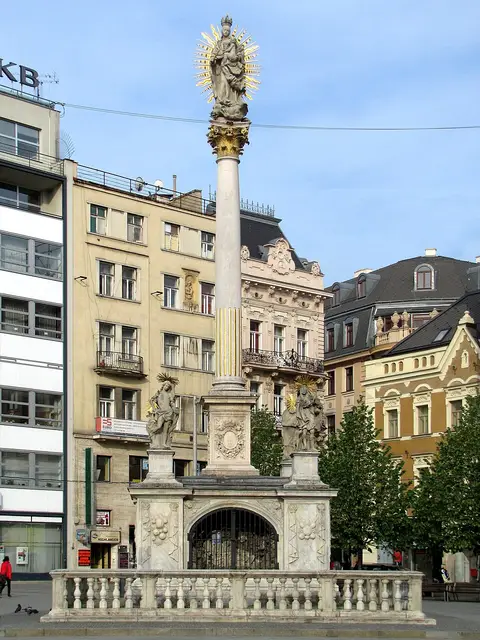
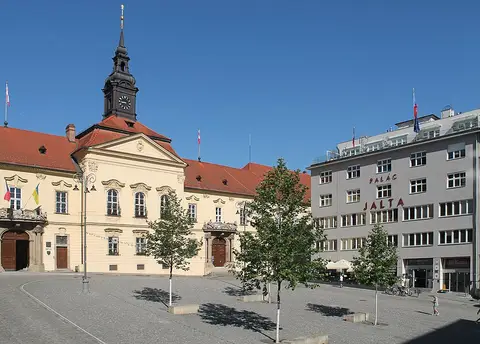
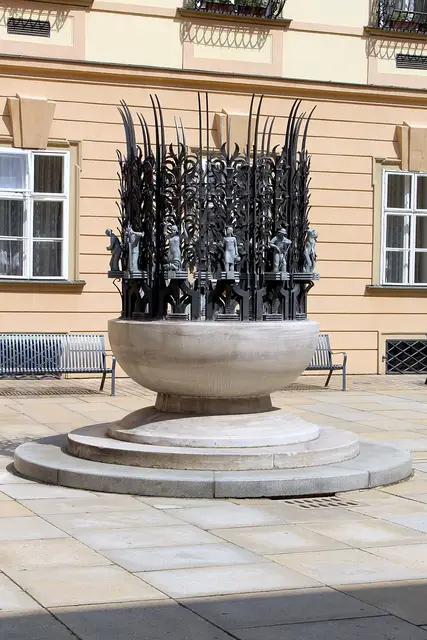
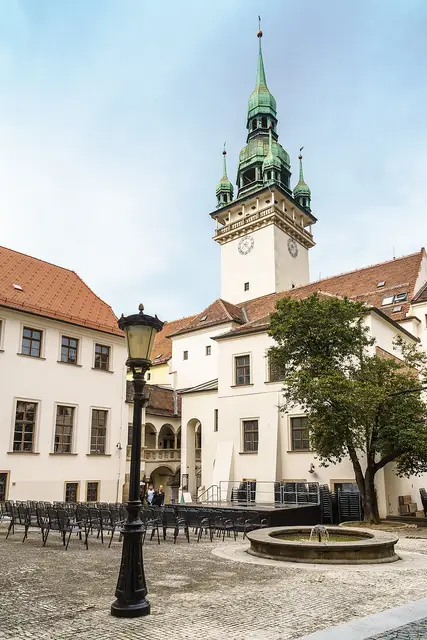
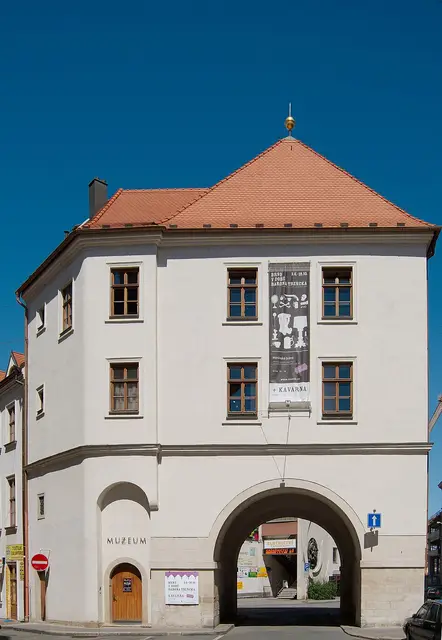
High above the Old Town in Brno-střed, the Cathedral of St. Peter and Paul crowns Petrov Hill. Its bells ring at 11 a.m. instead of noon, according to legend a ruse that persuaded the Swedes to withdraw in 1645. The Špilberk Fortress long served as the Habsburgs' feared prison and now houses the city museum. On Cabbage Market, the Zelný trh, stands the Baroque Parnassus Fountain, and beneath it passages lead into the Labyrinth under the Cabbage Market. The Ossuary of St. James is the second-largest in Europe after Paris. In the Old Town Hall hangs the "Brno Dragon," a stuffed crocodile. The Villa Tugendhat by Ludwig Mies van der Rohe, in the Černá Pole district, is a UNESCO World Heritage Site; you should book tours well in advance.
Neighborhoods, Culture, and Going Out
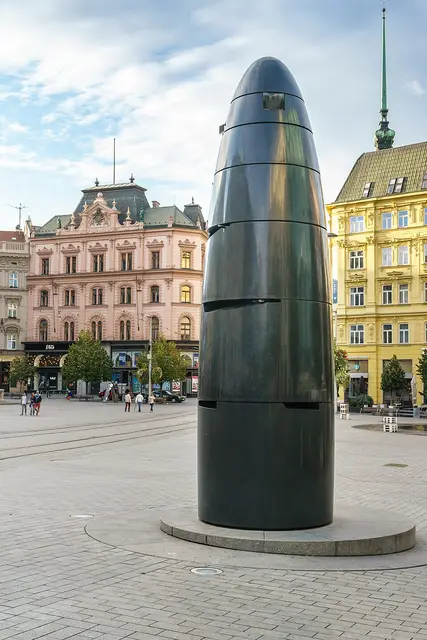
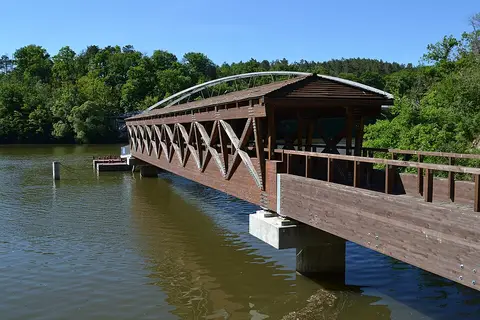
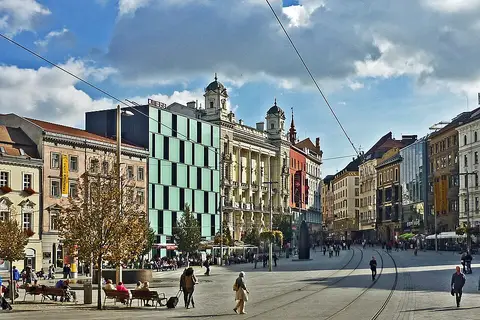
Brno is compact and easy to explore on foot. Around Freedom Square, the Náměstí Svobody, and along the streets of the city center, you'll find cafés with their own roasteries and cocktail bars, some of which have won international awards. The Mendel Museum in the Augustinian monastery in Staré Brno tells the story of the father of genetics. The Janáček Theatre and the Mahen Theatre, one of the first theaters in Europe with electric lighting installed by Edison's company, reflect the city's musical tradition; Leoš Janáček lived here. Neighborhoods like Královo Pole and Žabovřesky feel green and quiet, and in summer locals swim at the reservoir in Bystrc.
Eating in Brno
Moravian cuisine is hearty: svíčková, roast pork with sauerkraut and dumplings, goulash, and bramboráky, potato pancakes. South Moravia is the Czech Republic's most important wine region, and wine taverns pour Welschriesling, Grüner Veltliner, and Frankovka. And of course there's beer, for example from the Starobrno brewery. Restaurants in Brno are cheaper than in Prague, and the bistro scene is innovative.
Getting There and Best Time to Visit
Brno lies on the rail line between Prague and Vienna; it's about an hour and a half to Vienna and roughly two and a half hours to Prague. The small airport has only a few connections, and most travelers fly into Vienna. Trams serve the city. The best time to visit is from May to September; in May the Ignis Brunensis fireworks festival takes place, and motorcycle races are held at the Automotodrom. To see the city from above, climb the Old Town Hall tower or head up Špilberk Hill, where you can picnic in the park in summer. Worthwhile excursions lead to the stalactite caves of the Moravian Karst with the Macocha Abyss, and to the Austerlitz battlefield.