Nicosia: Cyprus's Divided Capital
Travel guide · editorialNicosia is Europe's last divided capital: since 1974, the United Nations' Green Line has run right through the middle of the old town. A trip to Nicosia takes you past Venetian walls, Byzantine churches, and Ottoman caravanserais, across border crossings on foot into the other half of the city, and out to the villages at the foot of the Troodos Mountains.
Location and District
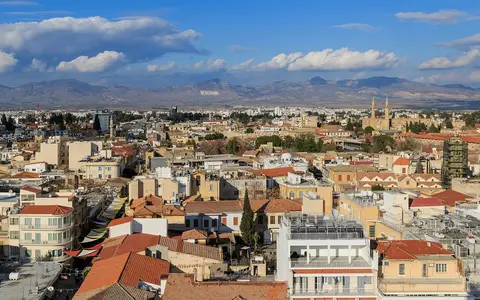
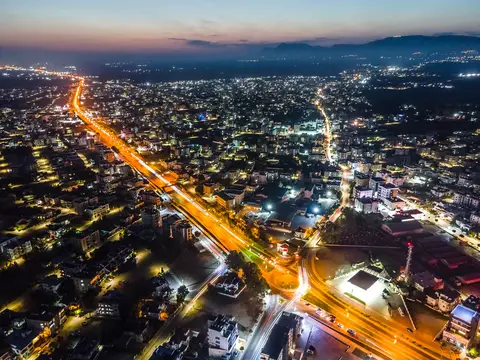
Nicosia District lies in the middle of the island and stretches from the Mesaoria Plain in the north to the foothills of the Troodos Mountains in the south. The plain is dry and very hot in summer, but in spring it turns green and is dotted with wildflowers. Since 1974, the district, like the whole island, has been divided. The southern part falls within the area controlled by the Republic of Cyprus, while the northern part is controlled by the Turkish Cypriot administration, which is recognized internationally only by Turkey. In between lies the buffer zone patrolled by UN troops. The district also includes suburbs such as Strovolos and Lakatamia in the south, as well as Gönyeli in the north, a growing residential town northwest of the center.
Sights in Nicosia
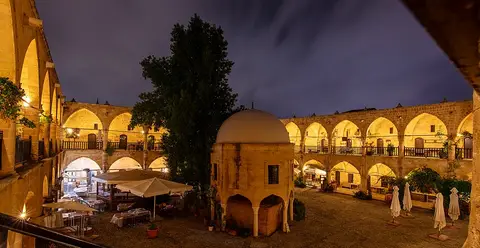
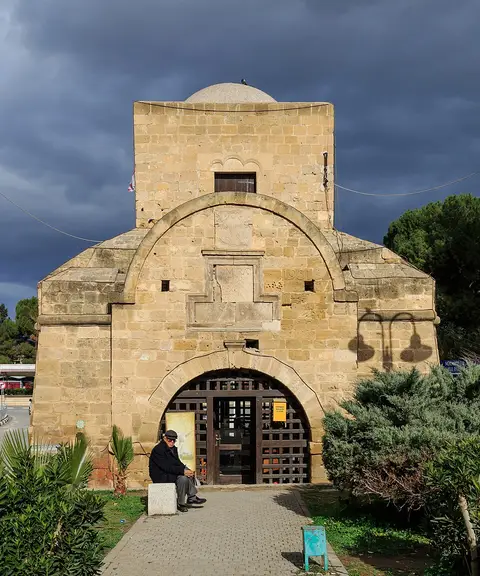
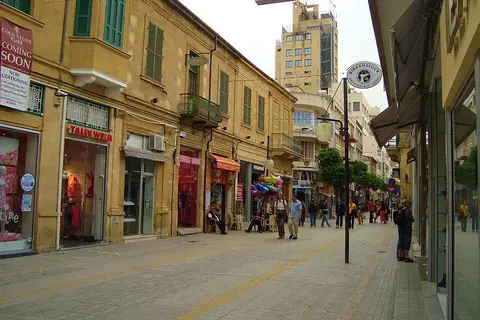
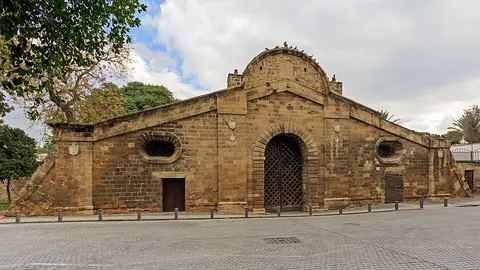
Nicosia, Lefkosia in Greek and Lefkoşa in Turkish, is surrounded by a star-shaped 16th-century Venetian city wall with eleven bastions. In the south, Ledra Street, the main shopping drag, leads straight to the border crossing. The Cyprus Museum displays finds from the Neolithic period to Roman times, including terracotta figures from Agia Irini. The Archbishop's Palace and the Cathedral of Agios Ioannis with its 18th-century frescoes, the Leventis Museum, and the Laiki Geitonia quarter are all worth a stroll. On the other side of the line stands the Selimiye Mosque, originally the Gothic Cathedral of Saint Sophia, where the Lusignan kings were crowned. The Büyük Han, an Ottoman caravanserai from 1572, now houses shops and cafés. With a passport or ID card, you can cross at the checkpoints on foot.
Villages and Surroundings
South of the capital, villages line the edge of the Troodos, such as Fikardou, with its protected stone houses and wooden balconies. The district is home to several Byzantine churches with wall paintings that belong to the World Heritage Painted Churches of the Troodos Region, including Asinou and the churches of the Pitsilia region. Machairas Monastery sits in pine forests at over 800 meters (2,600 feet). Tamassos was an ancient copper-mining center with royal tombs.
Culture and Daily Life
Nicosia is the island's political, economic, and academic center. Galleries, theaters, and cafés in the old town, for example around Onasagorou Street, show the city's modern face. In the north, a lively bazaar surrounds the Büyük Han and the Bedesten, a former church.
Food, Getting There, and Best Time to Visit
Nicosia's tavernas serve meze, a succession of dozens of small dishes: halloumi, souvlaki, sheftalia, tahini, and dips. In the old town you'll find coffeehouses where men play tavli. In the north, you'll find similar dishes, often with Turkish names, such as şeftali kebabı. Most visitors land in Larnaca, about 45 minutes away, with buses running regularly. The best times to visit Nicosia are spring and fall; in July and August, temperatures often climb above 40 degrees Celsius (104°F). Winters are mild, with occasional rain.