Discover Nicosia: Venetian Walls and a Divided Old Town
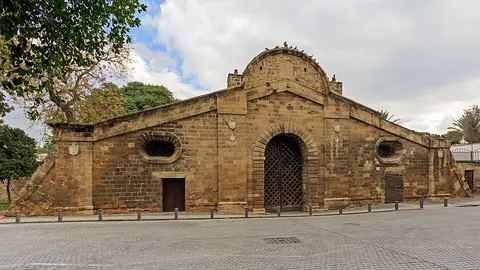
Travel guide · editorialNicosia is Europe's last divided capital: the UN buffer zone runs right through the old town, which is encircled by Venetian walls. A trip to Nicosia leads you to Byzantine churches, Gothic cathedrals that became mosques, caravanserais, and a border crossing in the middle of a shopping street.
One City, Two Sides
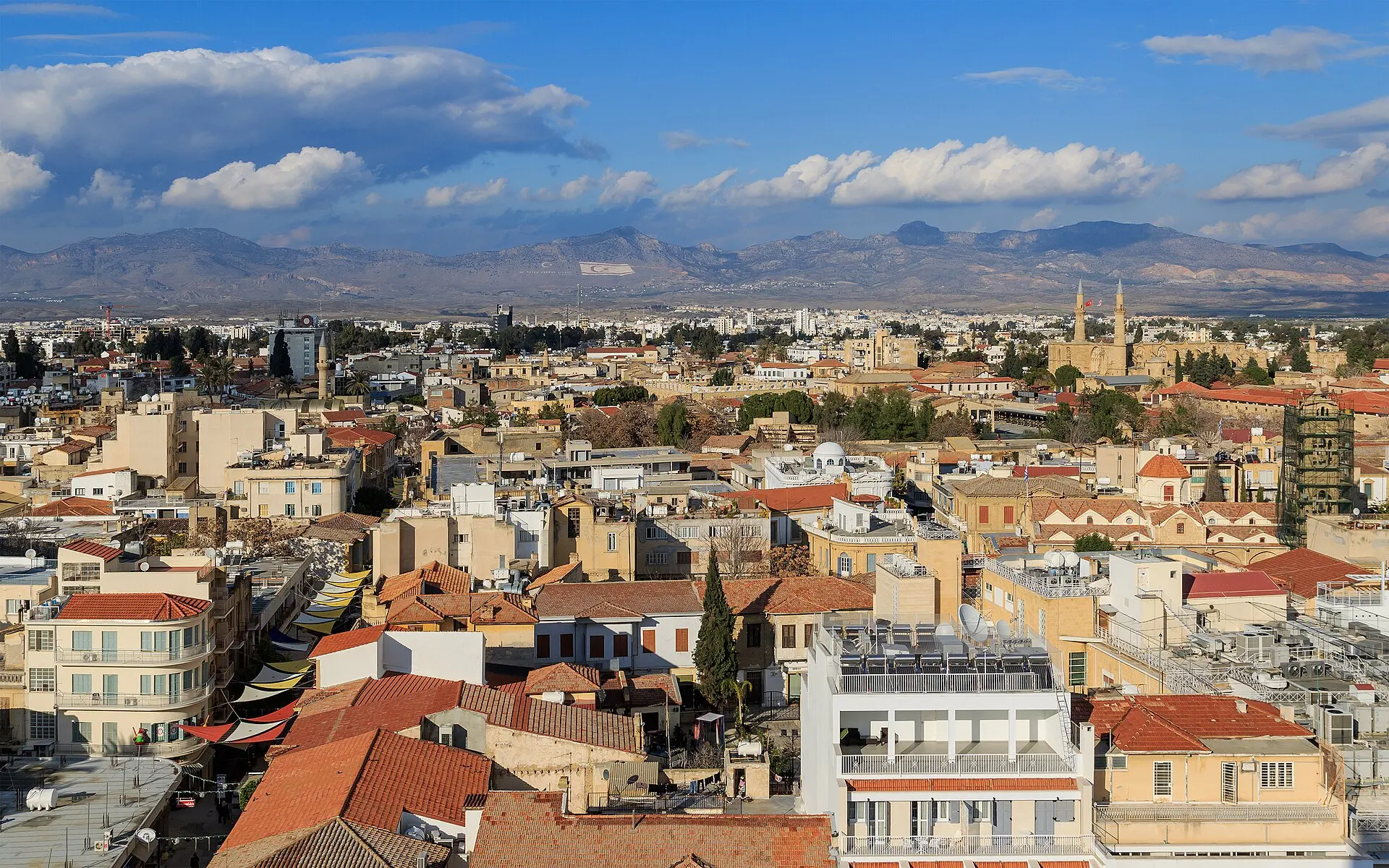
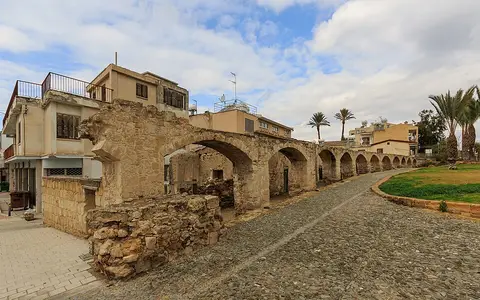
Nicosia has been the capital of Cyprus since the Middle Ages. The Lusignan kings built Gothic churches, and in the 16th century the Venetians added a star-shaped city wall with eleven bastions that survives almost completely intact today. The Ottomans conquered the city in 1570, and the British took over its administration in 1878. After independence in 1960, conflicts broke out between Greek and Turkish Cypriots. Since the Turkish military intervention in 1974, the island has been divided; the northern half of the city serves as the capital of the "Turkish Republic of Northern Cyprus," which only Turkey recognizes. The border crossings have been open since 2003, and visitors can move easily between the two sides with an ID or passport.
Sights in the South
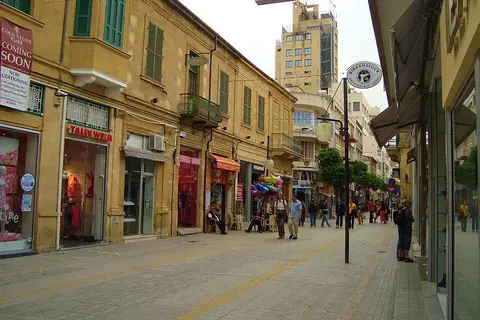
In the southern part of the city, Ledra Street, the main shopping street, leads straight to the border crossing. The Cyprus Museum displays archaeological finds from the Neolithic period to Roman times, including hundreds of terracotta figures from Agia Irini. The Archbishop's Palace and the Cathedral of Agios Ioannis, with its 17th-century frescoes, along with the Byzantine Museum and its icons, form the center of the Orthodox Church. The Leventis Museum tells the story of the city. The Laiki Geitonia district, with its restored houses and tavernas, and the Famagusta Bastion, home to a cultural center, are perfect for a stroll. Outside the walls, Nicosia is a modern city with suburbs such as Strovolos, Engomi, and Aglantzia.
Sights in the North
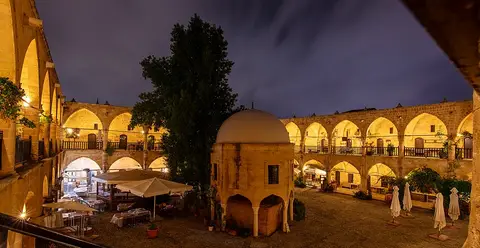
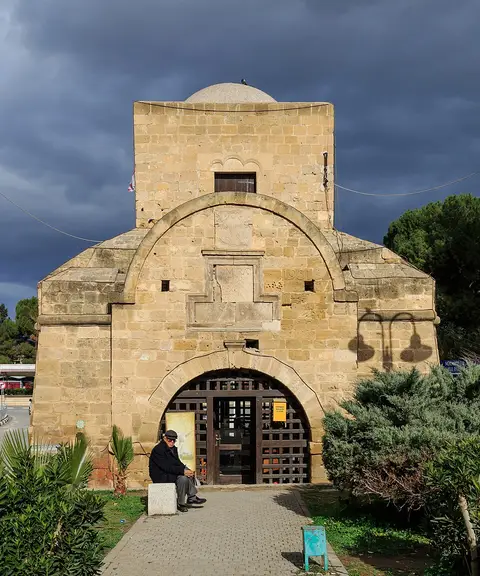
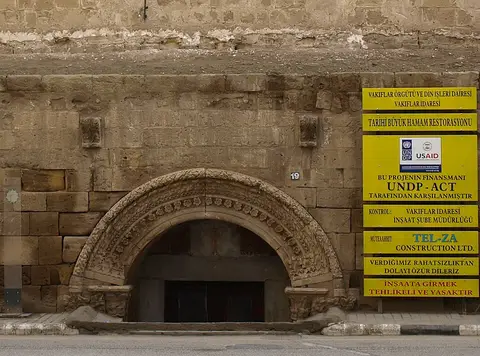
Across the border, in the northern part, stands the Selimiye Mosque, originally the 13th-century Gothic Cathedral of St. Sophia, to which two minarets were added. The Büyük Han, an Ottoman caravanserai from 1572, now houses cafés and craft shops in its courtyard. The Bedesten, a former church and covered market, and the Kyrenia Gate are also among the highlights. Around Atatürk Square and in neighborhoods such as Yenişehir and Küçükkaymaklı, you can experience everyday Turkish-influenced life.
Eating in Nicosia
You'll eat well on both sides. In the south, order a meze, a succession of up to 20 small dishes featuring halloumi, souvlaki, sheftalia, tahini, and kleftiko. In the north, you'll find kebab, lahmacun, and sweet specialties such as lokum. The restaurants along the old town wall and in the lanes around Onasagorou Street are popular, and in the evening the bars around Faneromeni Church fill up. To finish, have a Cypriot coffee, strong and served with the grounds in small cups, or a glass of Commandaria, a sweet dessert wine considered one of the oldest named wines in the world. In the north, it's worth stopping for a glass of freshly squeezed pomegranate juice from the street stand in front of the Selimiye Mosque.
Getting There and Best Time to Visit
The nearest international airport is Larnaca, and buses take about 45 minutes to reach Nicosia; in the north, Ercan Airport is served only by flights via Turkey. If you enter in the south, you can easily walk across the border to the north, but be sure to bring your ID or passport and check your insurance terms. The best time to visit is in spring and fall; summers get very hot inland, often exceeding 104°F (40°C).