Cyprus: Sun-Drenched Island Between Antiquity and the Troodos Mountains
Travel guide · editorialCyprus lies closer to Beirut than to Athens and enjoys more than 300 days of sunshine a year. A vacation in Cyprus means swimming into November, Roman-era mosaics, mountain villages in the Troodos, and a cuisine where Greek and Middle Eastern influences come together.
One Island, Two Sides
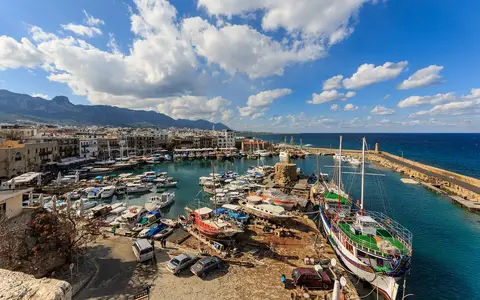
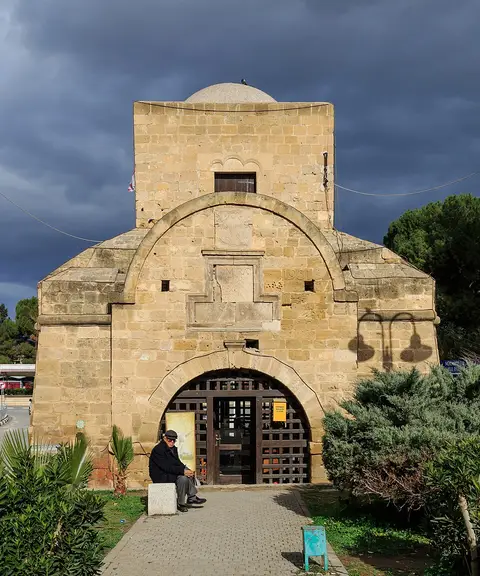
The Republic of Cyprus has been a member of the European Union since 2004 and has used the euro since 2008. The island has been divided since 1974: the north is not under the control of the Republic's government and is home to the Turkish Republic of Northern Cyprus, recognized only by Turkey. A United Nations-monitored buffer zone separates the two parts and runs straight through the capital, Nicosia. There are several crossing points where travelers with ID or a passport can cross from one side to the other; the best known is on Ledra Street in Nicosia's old town. The north is home to the port town of Kyrenia with its castle and Famagusta with its Gothic church ruins. If you plan to go there, check your insurance and rental car terms beforehand, because many contracts from the south are not valid beyond the buffer zone.
Nicosia and Larnaca
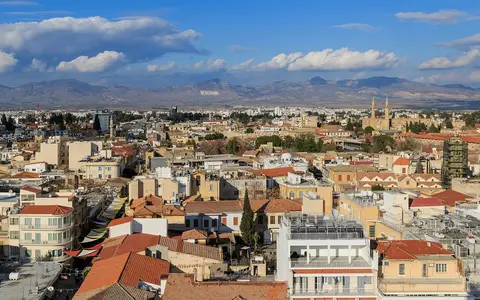
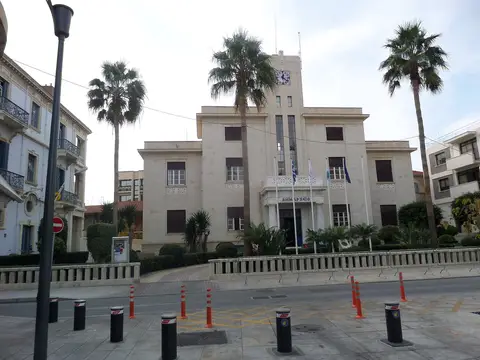
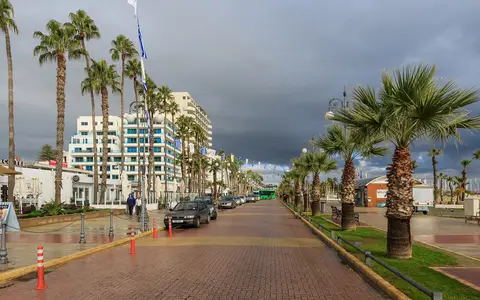
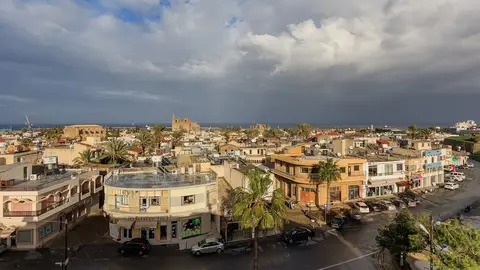
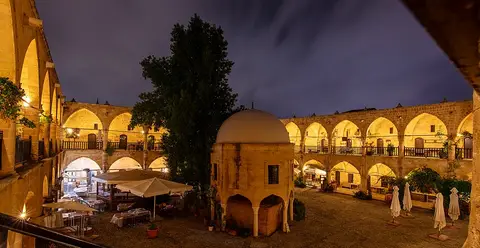
Nicosia is Europe's last divided capital, and you feel it on every walk through the old town inside the Venetian walls, which form an almost perfect star around the center. The Cyprus Museum displays finds from the Neolithic period to Roman times, including hundreds of terracotta figures from Agia Irini. The lanes around Laiki Geitonia are lined with coffee houses, craft shops, and tavernas. Larnaca, where most vacationers land, has a palm-lined promenade, the 9th-century Church of Saint Lazarus, and a salt lake where thousands of flamingos spend the winter. On the lake's shore stands the Hala Sultan Tekke, one of the island's most important Islamic pilgrimage sites.
Limassol, Paphos, and the Beaches
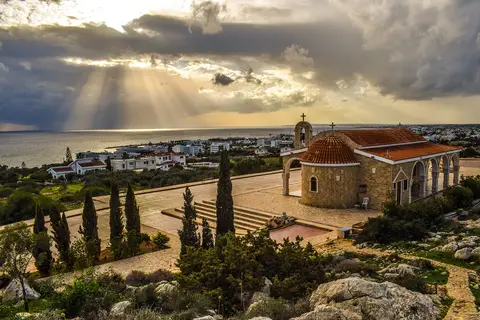
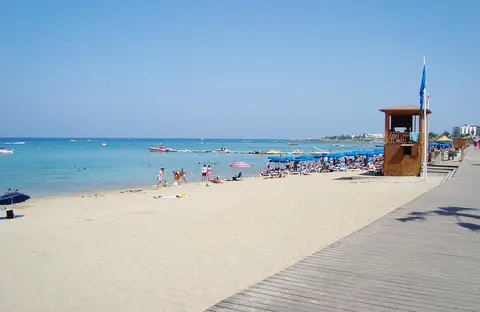
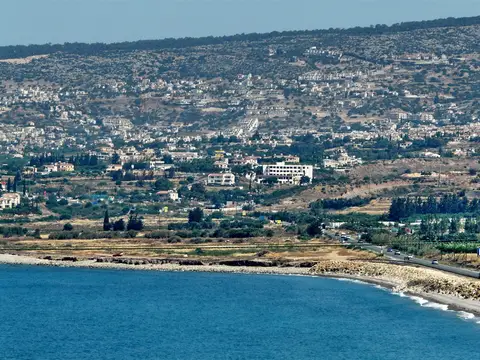
Limassol is the island's liveliest city, with a new marina, a small medieval castle, and the long strip of hotels at Germasogeia to the east. West of the city lie the excavations of Kourion, with a theater above the cliffs that hosts concerts in summer. Paphos is a UNESCO World Heritage site in its entirety: the mosaics in the Houses of Dionysos and Theseus are among the finest in the Mediterranean, and the Tombs of the Kings are carved into the rock. A little farther on, near Peyia, you'll find Coral Bay and the Akamas Peninsula with its wild coves and the Blue Lagoon. At Aphrodite's Rock, Petra tou Romiou, the goddess is said to have risen from the sea. The east around Ayia Napa, Paralimni, and Protaras is known for fine, pale sand and clear water, and Ayia Napa also for its loud summer nightlife.
The Troodos Mountains and Mountain Villages
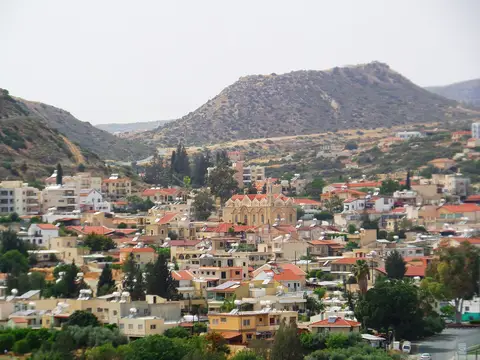
Among the finest sights in Cyprus is the Troodos Mountains, which rise to almost 2,000 meters at Mount Olympus. In winter there is sometimes enough snow up there for skiing, and in summer it is pleasantly cool. Hidden in the valleys are ten Byzantine churches that look like barns with gabled roofs from the outside but are completely covered in frescoes inside, including Asinou and Agios Nikolaos tis Stegis. Villages such as Kakopetria, Omodos, and Lefkara, famous for its lace, invite you to stay overnight. Kykkos Monastery, one of the richest in the Orthodox world, sits amid dense pine forests. If you want to hike, the Artemis Trail around Mount Olympus and the Caledonia Trail with its small waterfall offer well-marked paths through black pines and cedars. In fall, the villages harvest grapes, apples, and almonds, and in some places zivania is still distilled.
Food and Drink
In Cyprus, meze is an evening's entertainment: order it and 15 to 25 small dishes arrive at the table one after another, from hummus, tahini, and taramosalata to grilled halloumi, lountza, and sheftalia (small sausages wrapped in caul fat), and kleftiko, lamb slow-cooked for hours in a clay oven. Halloumi originally comes from here, as does Commandaria, a sweet dessert wine made from dried grapes that is considered one of the oldest named wines in the world. In the wine regions around Omodos and on the southern slopes of the Troodos, native grape varieties such as Xynisteri and Maratheftiko are now produced as well. Coffee often comes with loukoumi (Cypriot delight), traditionally made in Geroskipou near Paphos.
Getting Around and the Best Time to Visit Cyprus
Traffic in Cyprus drives on the left, a legacy of British colonial rule until 1960, which is still visible today in two British military areas. Intercity buses connect the towns, but for the Troodos and the Akamas Peninsula a rental car is practically essential. The most important destinations in Cyprus are no more than two hours apart by car. The best time to visit Cyprus is April to June and September to November. Temperatures then range between 22 and 30 degrees Celsius (72 to 86°F), and the sea is still around 25 degrees Celsius (77°F) in October. In July and August, the thermometer in Nicosia often climbs above 38 degrees Celsius (100°F), and it is somewhat more bearable on the coast. Winter is mild at 15 to 19 degrees Celsius (59 to 66°F), with most rain falling between December and February, after which the whole island blooms in spring.