
Guangdong: Dim Sum, the Pearl River Delta, and Megacities
Travel guide · editorialGuangdong is China's most populous province and has been the country's gateway to the world for centuries. A vacation in Guangdong takes you through the Pearl River Delta, one of the largest urban landscapes on Earth, and into a cuisine that many connoisseurs consider the best in China. Between the teahouses of Guangzhou, the skyscrapers of Shenzhen, and the old fortified towers near Jiangmen, you're often only an hour apart by train.
Location and Landscape in the Subtropical South
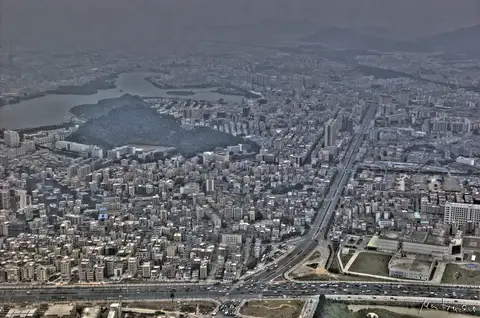
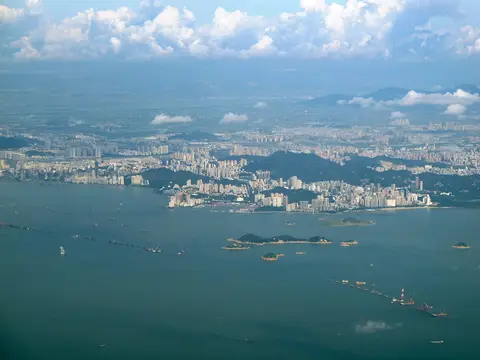
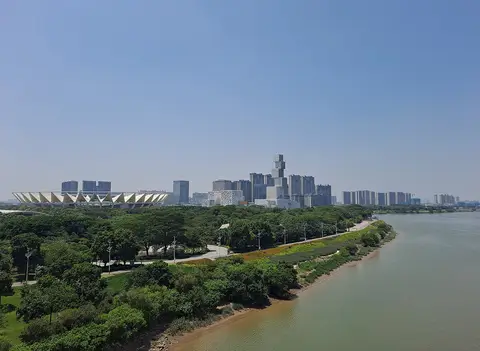
The province stretches along roughly 4,000 kilometers of coastline on the South China Sea and surrounds the Special Administrative Regions of Hong Kong and Macau. At its center lies the Pearl River Delta, a densely populated alluvial plain where the Xi, Bei, and Dong Rivers converge. To the north, the land rises toward the Nanling Mountains, home to tea plantations, rice terraces, and red sandstone formations such as Danxia Mountain near Shaoguan, a UNESCO World Heritage site. The climate is subtropical: hot, humid summers with typhoons and mild winters in which temperatures rarely drop below 10 degrees Celsius (50°F).
Guangzhou and Shenzhen: Two Faces of One Province
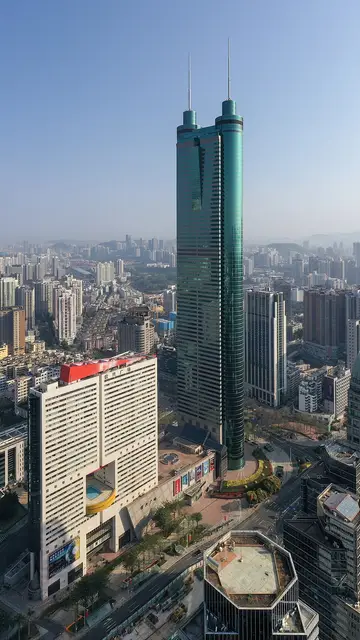
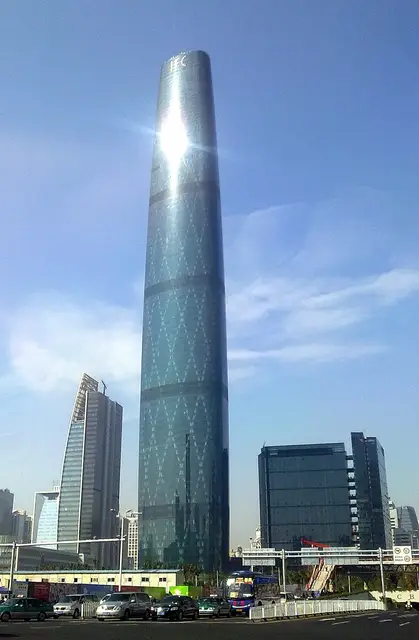
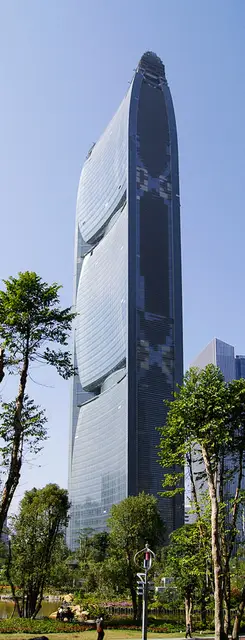
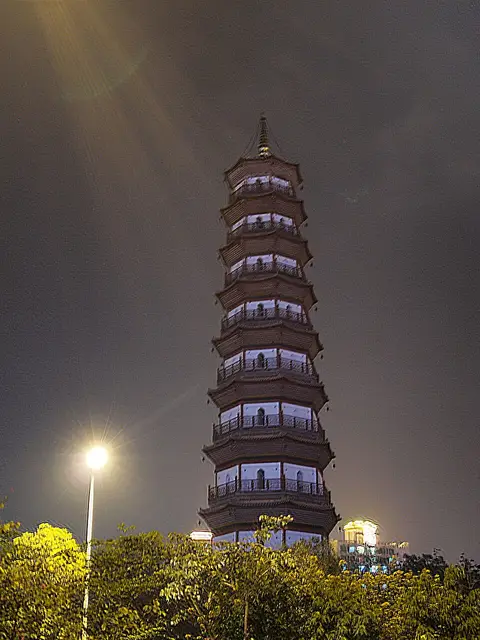
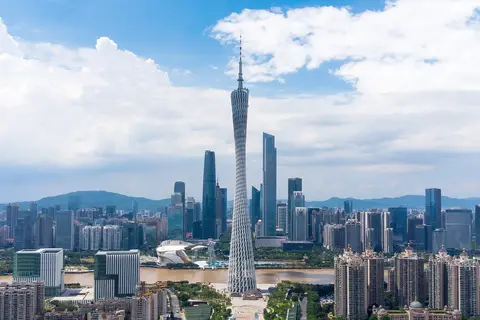
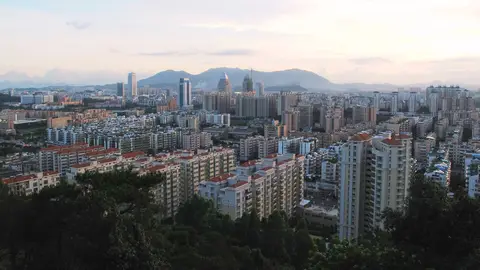
Guangzhou, the old Canton, was for centuries the only port through which Europeans were allowed to trade with China. On Shamian Island, the colonial buildings of the British and French concessions still stand, and right next door, the Qingping Market is crammed with dried seahorses, ginseng, and mushrooms. The Chen Clan Ancestral Hall showcases Cantonese wood and brick carving at its finest, and in the evening the 600-meter-tall Canton Tower glows above the Pearl River. Shenzhen, by contrast, was a collection of fishing villages until 1980; today it is home to around 17 million people. China's first Special Economic Zone is a laboratory of modernity, with electronics markets in Huaqiangbei, the Ping An Finance Centre, and an art scene in the converted industrial district of OCT Loft.
Sights in Guangdong Beyond the Metropolises
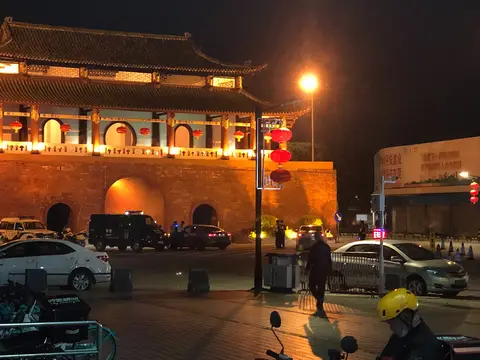
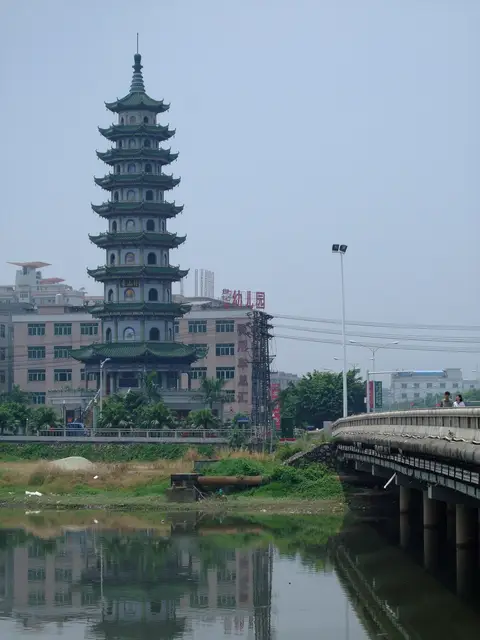
Among the most rewarding destinations in Guangdong are the Kaiping Diaolou near Jiangmen: fortified residential towers that emigrants built in the early 20th century with money earned in America, an idiosyncratic blend of Chinese and Western architecture. In Foshan, the Zumiao Temple and the lion dance and kung fu performances are worth a visit, since this is where Wong Fei-hung and Ip Man lived and worked. Zhuhai welcomes visitors with a seaside promenade and the bridge to Hong Kong and Macau, and Zhongshan is the birthplace of Sun Yat-sen. In the far east, Shantou and Chaozhou preserve the distinctive Chaoshan culture, with gongfu tea, ancestral halls, and an old stone bridge.
Culture and History of the Cantonese
Guangdong was the starting point of the great waves of Chinese emigration; Chinatowns from San Francisco to London still speak Cantonese today. The province also played a key political role: the Opium War began here, the Revolution of 1911 took shape here, and with Deng Xiaoping's reforms the delta became the world's workshop. Dongguan stands for this industrial history, but today it is also known for its lychee orchards and Qing-era gardens. Cantonese opera, the lion dance, and the bustling Spring Festival flower markets in Guangzhou are all part of the living heritage.
Food and Drink: Morning Tea and Siu Mei
"Eat in Guangzhou," says an old proverb. The day begins with yum cha, morning tea with dim sum: har gow with shrimp, siu mai, rice noodle rolls, and chicken feet in black bean sauce. At midday, glistening strips of char siu and crispy roast goose hang in the cookshops. Shunde near Foshan is considered the capital of Cantonese cuisine, known for double-skin milk pudding and paper-thin sliced fish. In Shantou, beef balls and hot pot with fresh beef are famous, and throughout the south people spoon up congee for breakfast.
Getting There, Getting Around, and the Best Time to Visit
The international airports of Guangzhou Baiyun and Shenzhen Bao'an are well connected, and many travelers also arrive via Hong Kong. High-speed trains link the cities of the delta every half hour, and the subway systems in Guangzhou and Shenzhen are extensive and inexpensive. The best time to visit is between October and December, when it is dry and pleasantly warm; March and April are also good, though it is often foggy then. From June to September, expect heat, heavy rain, and typhoons. During the Canton Fair in spring and fall, hotels in Guangzhou are scarce and expensive.