Discover Shenzhen: A High-Tech Metropolis on the Pearl River Delta
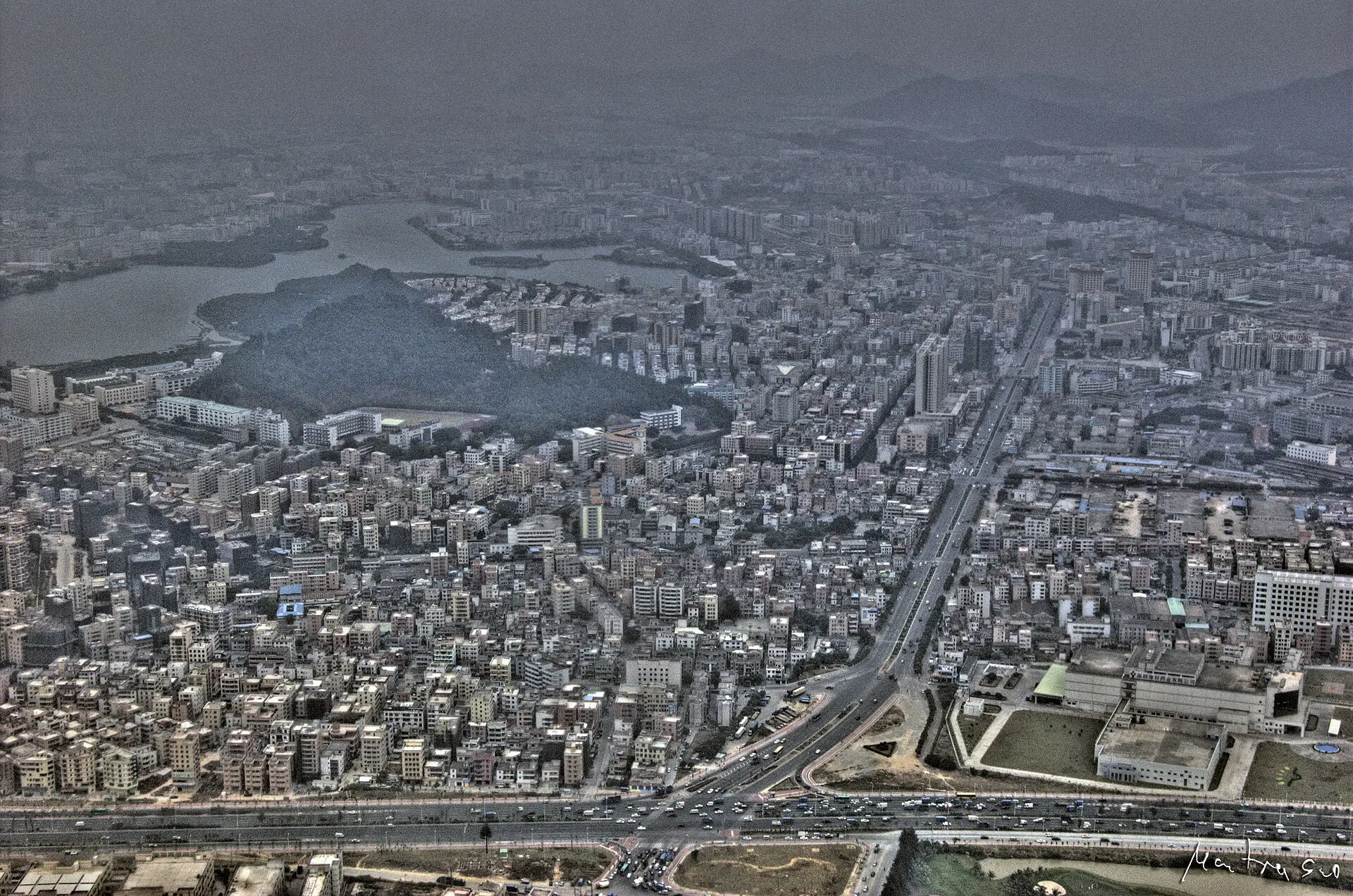
Travel guide · editorialJust over 45 years ago, a few tens of thousands of people lived here in fishing villages. Today Shenzhen is a metropolis of more than 17 million residents and home to world-famous technology companies. A trip to Shenzhen offers a glimpse of China's future: skyscrapers, electronics markets, art districts, and beaches right next to Hong Kong.
The City That Rose from Nothing
In 1980, Deng Xiaoping declared the area on the border with Hong Kong China's first Special Economic Zone. Investors from Hong Kong built factories, and workers from all over the country poured in. The city grew at a pace with few parallels in world history. The "workshop of the world" became a center for research and innovation: companies in telecommunications, electric cars, drones, and internet services are headquartered here. A statue of Deng Xiaoping in Lianhuashan Park commemorates the city's founding father.
Sights in Shenzhen
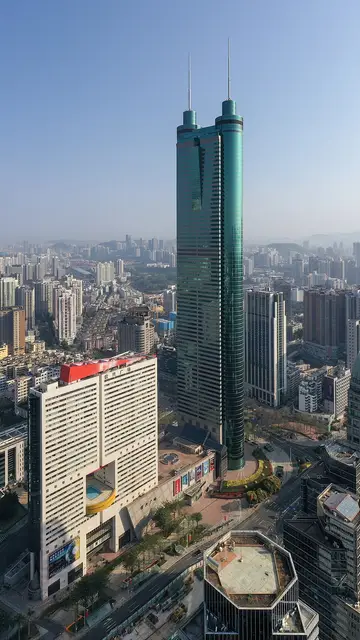
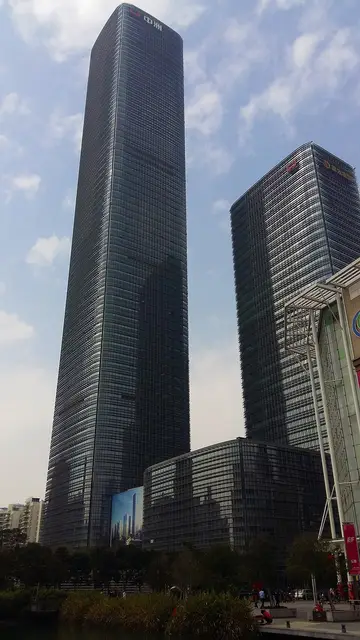
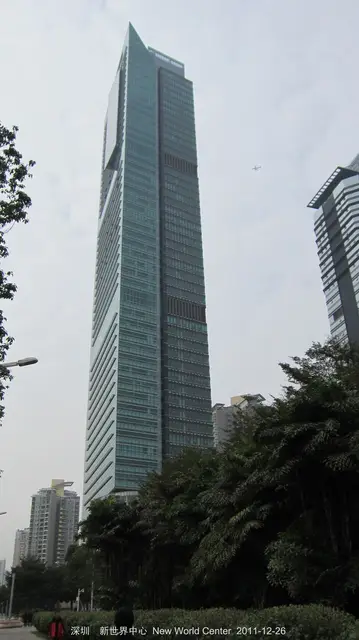
In the Futian business district, the Ping An Finance Centre rises nearly 600 meters, with an observation deck on the 116th floor. In front of it stretches the Civic Center axis with its library, concert hall, and the Museum of Contemporary Art and Urban Planning. In Nanshan District you'll find Shenzhen Bay Park, with a waterfront path and views of Hong Kong, as well as Shekou, a harbor district with restaurants and Design Society, a cultural center with exhibitions from the Victoria and Albert Museum. In Huaqiangbei, electronics markets spread across multiple floors, where you can find components, phones, and gadgets. The OCT Loft art district, set in former factories, offers galleries, cafés, and design shops.
Neighborhoods, Beaches, and Nature
In the east of the city, in Dameisha and Xiaomeisha, you'll find beaches, and the Dapeng Peninsula with the old fortress of Dapeng Suocheng is a popular weekend destination. Hikers climb Wutong Mountain, at roughly 940 meters the city's highest peak. In the center, Dongmen is the oldest shopping district, with pedestrian zones and street stalls, while Nanshan, with its universities and technology parks, embodies the young, international Shenzhen. The village of Dafen is known for its painters, who produce copies of famous paintings in huge numbers. At the mangrove park on Shenzhen Bay and in Lianhuashan Park, residents escape big-city life; in winter, many migratory birds stop here. In the evening, the bars in Shekou and the area around Coastal City Park, where many international residents live, are the main draw.
Eating in Shenzhen
As a city of newcomers, Shenzhen offers cuisines from all over China: spicy Sichuan and Hunan dishes, northern Chinese noodles, and of course Cantonese dim sum. A local specialty is oysters from Shajing, served grilled or in omelets. Hakka cuisine, with stuffed tofu and salt-baked chicken, is common in the east. Restaurants in Shenzhen are modern, often located in shopping malls, and café and tea culture is very popular with young people.
Getting There and Best Time to Visit
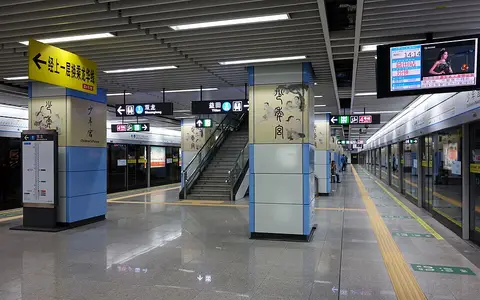
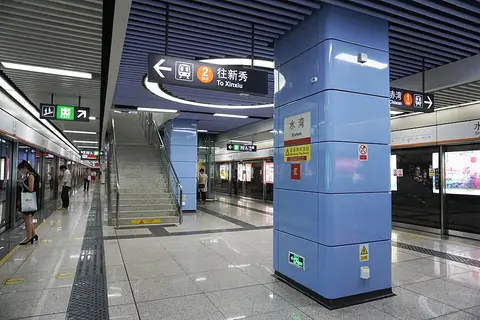
Bao'an Airport lies in the west and is reachable by metro. From Hong Kong, you can reach Shenzhen via several border crossings such as Lo Wu or Futian, as well as by high-speed train, in about 15 to 20 minutes; Guangzhou is about half an hour away. The metro is modern and inexpensive, and buses and taxis are almost entirely electric. The best time to visit is between October and December; summers are hot, humid, and marked by typhoons.