Discover Guangzhou: Dim Sum, the Pearl River, and Canton Tower
Travel guide · editorialGuangzhou, formerly known as Canton, has been China's gateway to the world for more than 2,000 years. A trip to Guangzhou takes you to temples, colonial villas on a river island, the sparkling skyline along the Pearl River – and the best dim sum in the country.
The Port on the Pearl River
As early as the 3rd century BC, Guangzhou was a trading hub, and later an important starting point of the Maritime Silk Road. Under the Qing emperors, it was for a long time the only port where Europeans were allowed to trade – tea, silk, and porcelain left from here for the rest of the world. The dispute over the opium trade led to the First Opium War in 1839. It was also here that Sun Yat-sen launched his revolutionary movement, which overthrew the empire in 1911. Today Guangzhou is the center of the Pearl River Delta metropolitan region, and the Canton Fair, held twice a year, is one of the largest trade fairs in the world.
Sights in Guangzhou
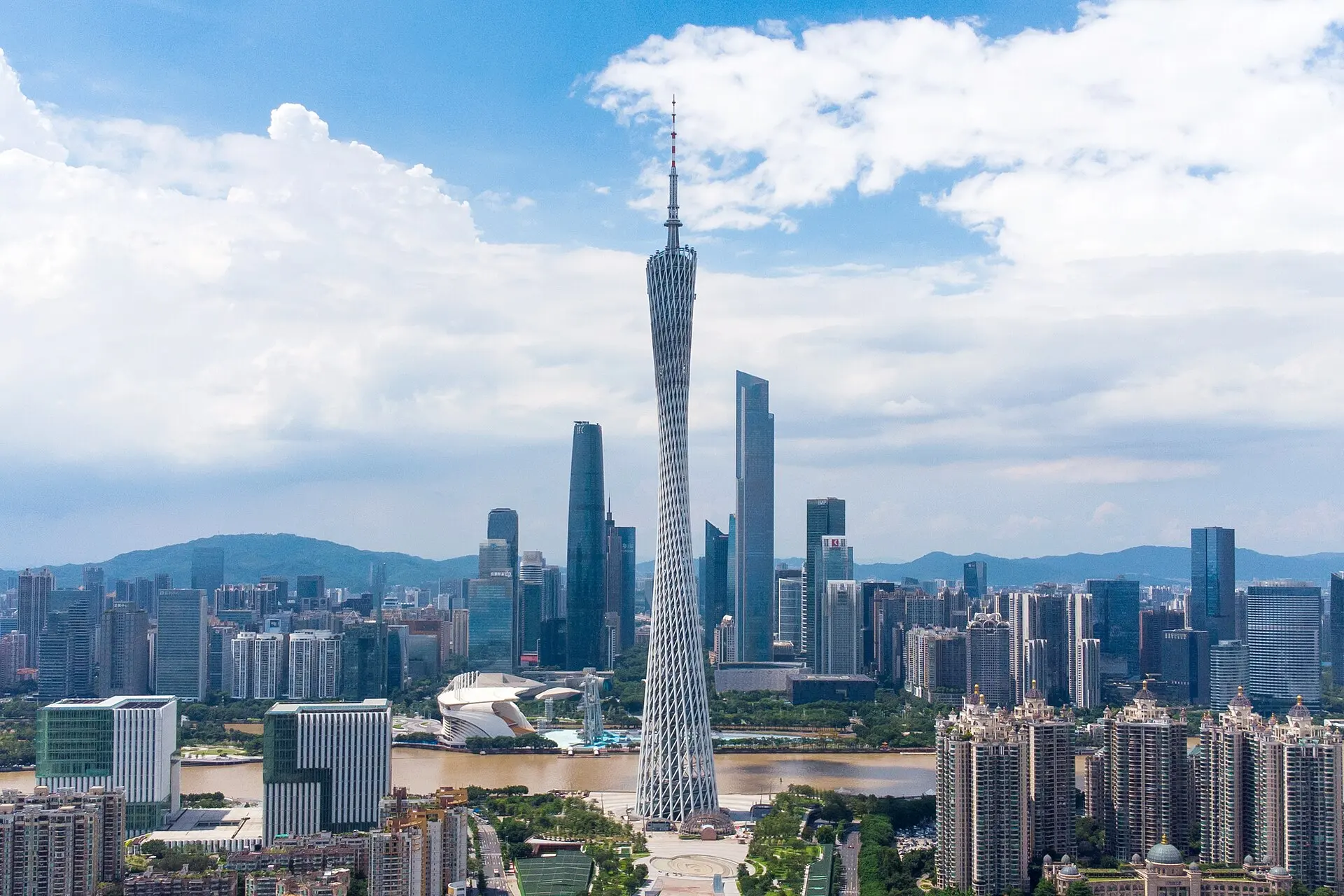
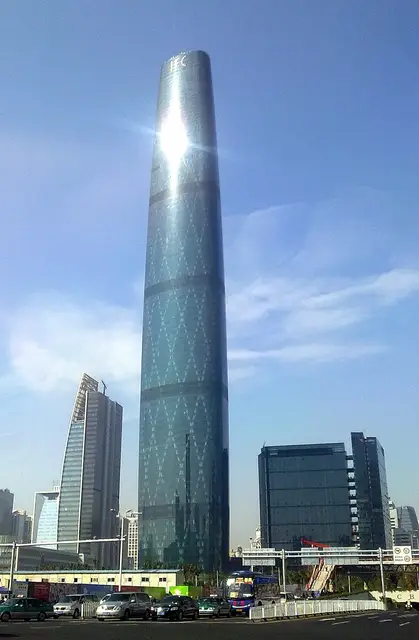
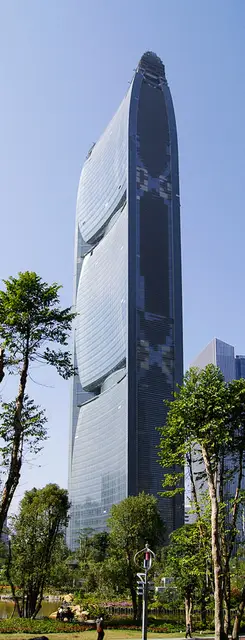
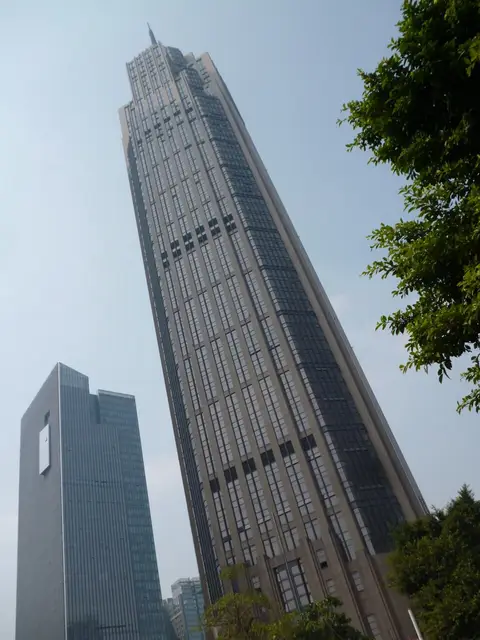
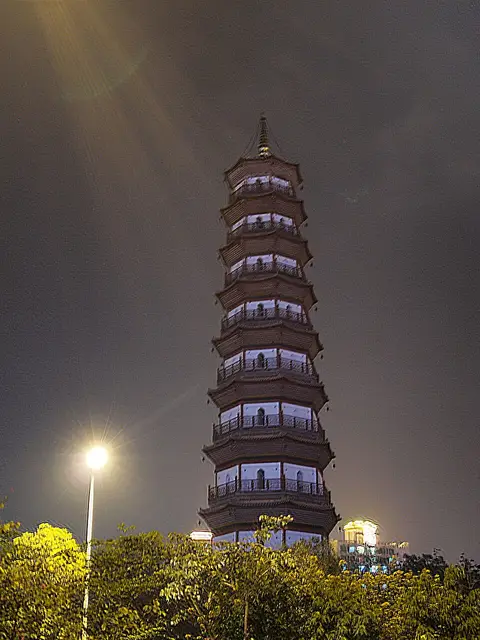
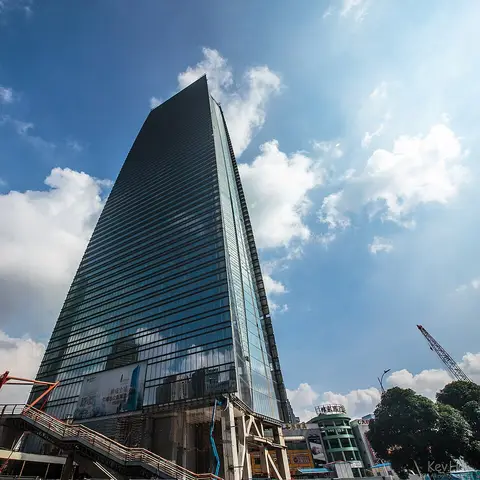
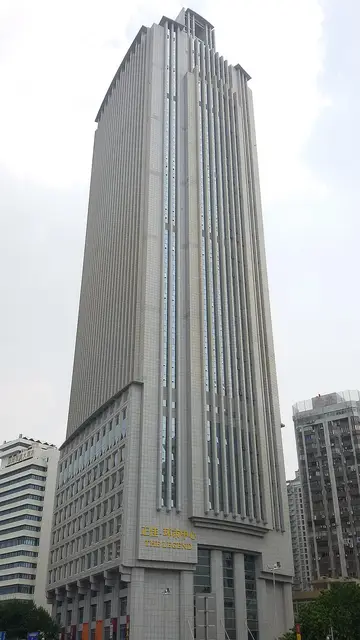
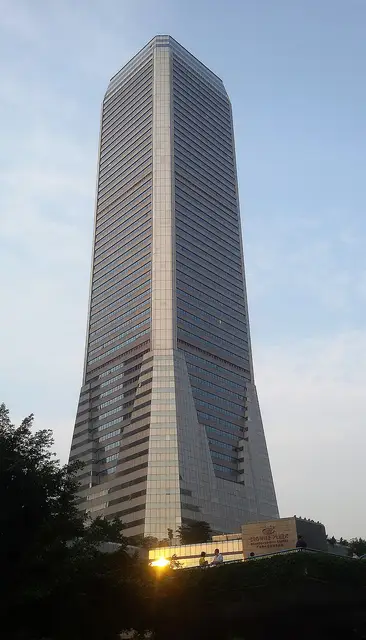
The Canton Tower, with its distinctive waisted shape, is around 600 meters tall and offers observation decks and a Ferris wheel at the top. Across the river lies the new center, Zhujiang New Town in the Tianhe district, with an opera house by Zaha Hadid, museums, and skyscrapers. On Shamian Island, colonial villas and churches from the former British and French concessions stand beneath old banyan trees. The Chen Clan Ancestral Hall impresses with its wood, stone, and ceramic carvings. Yuexiu Park, with its Five Rams statue and Zhenhai Tower, tells the legend of the city's founding. The Museum of the Mausoleum of the Nanyue King displays a jade burial suit from the 2nd century BC.
Eating in Guangzhou
"Eat in Guangzhou," says a Chinese proverb. Cantonese cuisine is world famous: in the morning, you go for yum cha, where tea and dim sum such as har gow, siu mai, and char siu bao are served. At lunch and dinner, you'll find char siu, glazed pork, roast goose, wonton noodles, and congee. Tea houses and street food stalls line the Shangxiajiu pedestrian zone in Liwan and Beijing Lu in the Yuexiu district. Sweet treats include double-skin milk pudding and turtle jelly.
Going Out and Neighborhoods
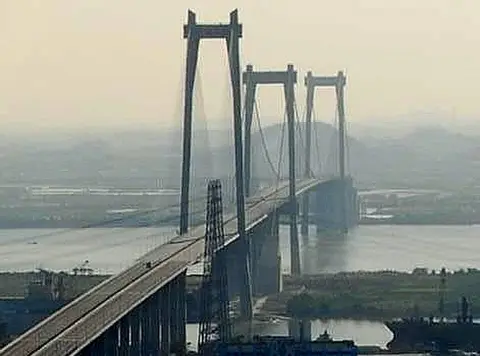
In the evening, a boat trip on the Pearl River is well worth it, when the bridges and towers are lit up in bright colors. The Tianhe district, with neighborhoods such as Linhe, Liede, and Shipai, is full of shopping malls, restaurants, and bars. In the old town of Liwan, traditional Canton reveals itself with its arcaded buildings, known as qilou; in neighboring Foshan, the Zumiao Temple draws visitors with kung fu and lion dance performances. Before Lunar New Year, entire streets turn into huge flower markets selling kumquat trees, peach blossom branches, and orchids – Guangzhou isn't called the "City of Flowers" for nothing. If you're looking for peace and quiet, you'll find it on Baiyun Mountain in the north, a wooded ridge with a cable car, hiking trails, and views over the city.
Getting There and Best Time to Visit
Baiyun Airport is one of the largest in China and is connected to the city center by metro. High-speed trains reach Hong Kong in about 50 minutes, Shenzhen in around half an hour, and Beijing in eight hours. The metro serves the entire city. Payment is mostly made by app. The best time to visit is from October to December, when it is dry and pleasantly warm. From April to September, it is hot, humid, and rainy, and typhoons are a risk in summer.