Discover Winnipeg: The Forks, Human Rights, and the Prairie
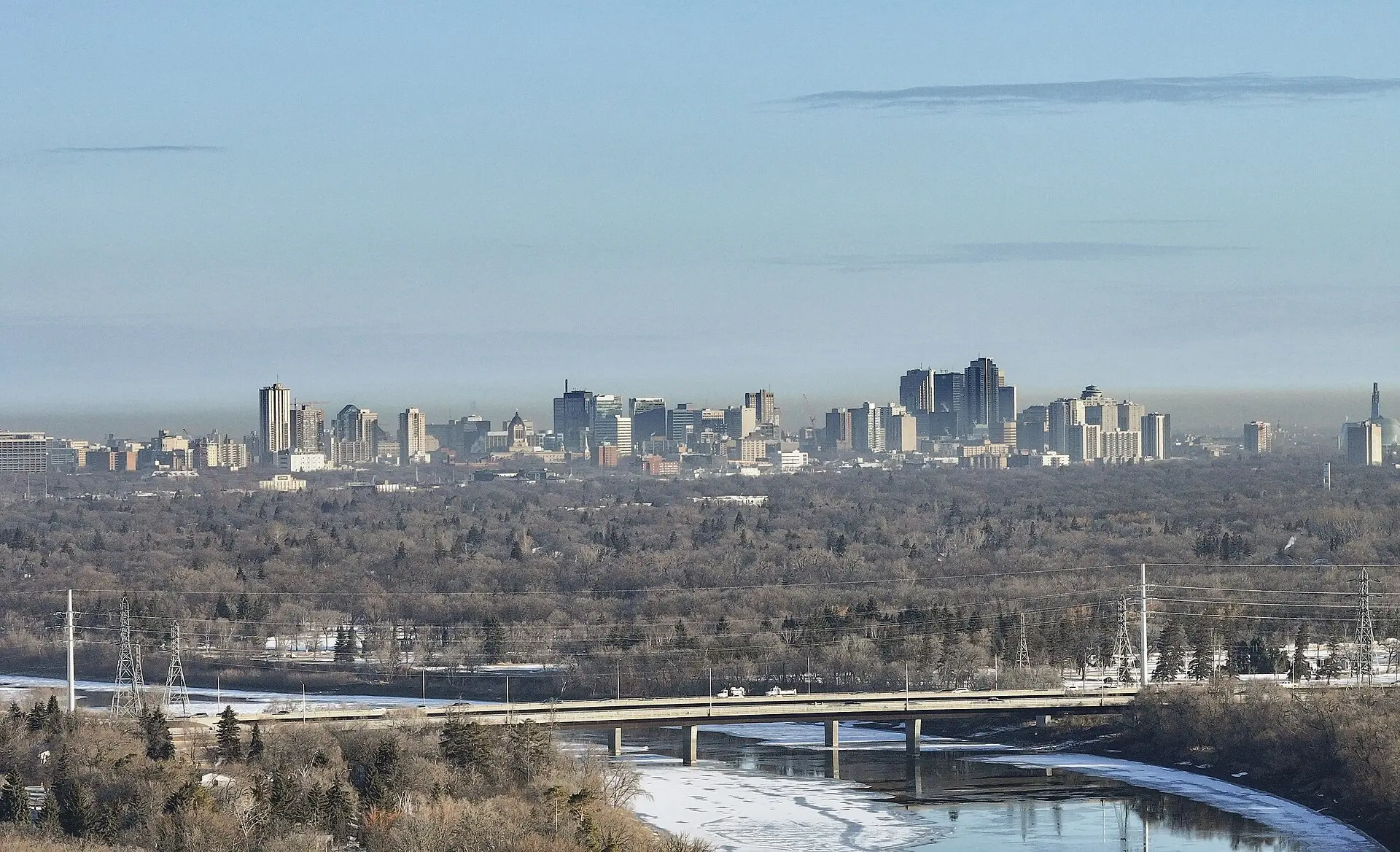
Travel guide · editorialIn the heart of North America, where the Red and Assiniboine Rivers meet, you'll find Winnipeg. A trip to Winnipeg takes you to one of the most impressive museum buildings in Canada, a well-preserved warehouse district, and a vibrant Francophone and Indigenous culture.
A Meeting Place on the River
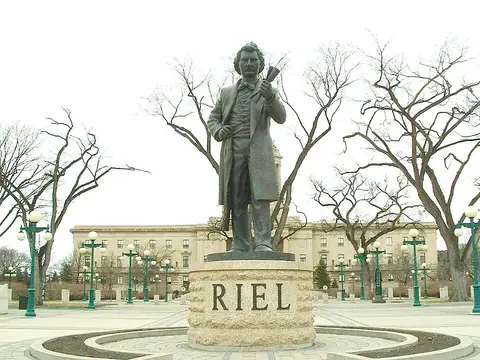
For some 6,000 years, Indigenous peoples gathered at the confluence of the two rivers to trade. In the 18th century, fur traders built forts here, and the Red River Colony followed later. Under Louis Riel, the Métis fought for their rights in 1869/70 and secured the creation of the province of Manitoba. With the arrival of the railway, Winnipeg became the "Gateway to the West" around 1900 and one of the fastest-growing cities in North America, with a grain exchange and warehouses. The city is also known for Winnie, a bear that a Canadian soldier from Winnipeg brought to London and who later inspired A. A. Milne to write Winnie-the-Pooh.
Things to See in Winnipeg
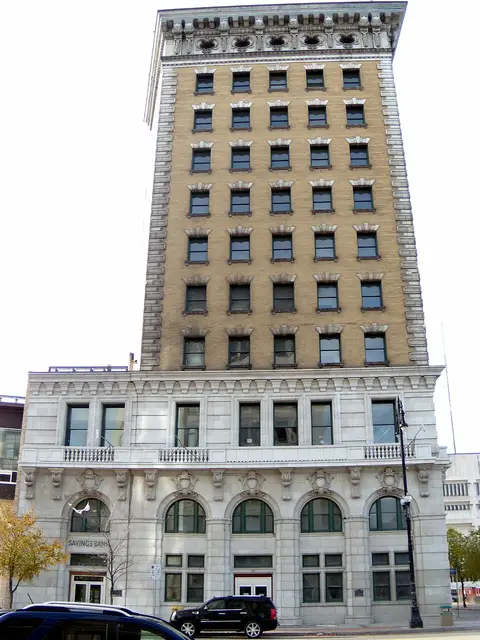
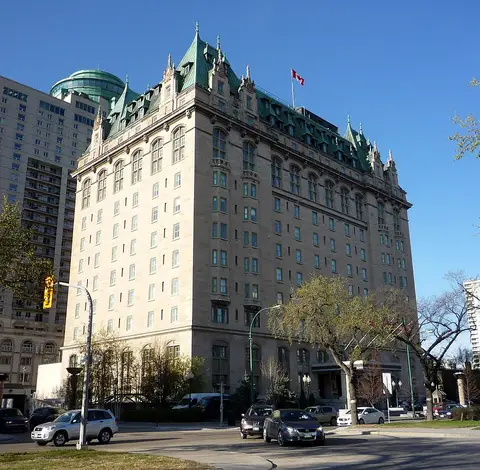
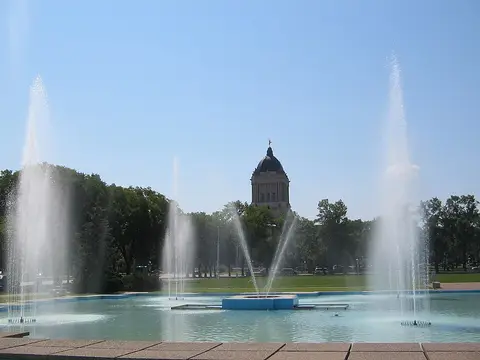
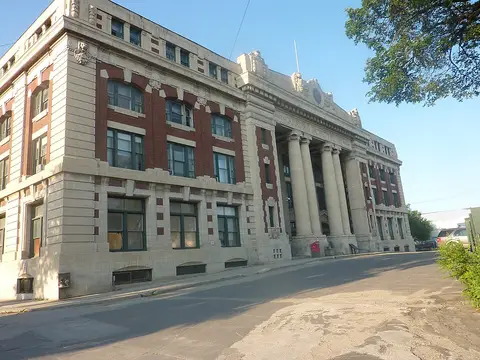
At The Forks, the historic meeting point of the rivers, you'll find market halls, restaurants, riverside paths, and, in winter, one of the longest naturally frozen skating trails in the world on the river. Next door, the Canadian Museum for Human Rights rises above the site, a spectacular building with glowing alabaster ramps and the glass Tower of Hope. The Exchange District preserves warehouses and bank buildings from around 1900 and often doubles as a film set for Chicago or New York. The Manitoba Legislative Building is rich in symbolism, and the gilded "Golden Boy" stands atop its dome. Assiniboine Park is home to the zoo and its Journey to Churchill, a large polar bear exhibit. The Winnipeg Art Gallery with Qaumajuq houses the largest public collection of Inuit art in the world.
Neighborhoods: Saint-Boniface and Osborne Village
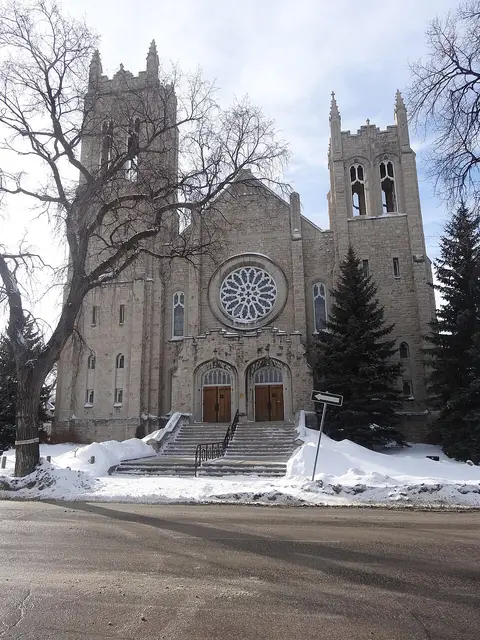
On the other side of the Red River lies Saint-Boniface, the largest French-speaking neighborhood in western Canada, with the ruins of the cathedral, the grave of Louis Riel, and bakeries. In February, the Festival du Voyageur takes place here, a winter festival with snow sculptures, fiddle music, and maple taffy. Osborne Village and Corydon Avenue are lively neighborhoods with cafés and restaurants, while the area around Portage Avenue and Polo Park offers shopping centers.
Eating and Going Out
Winnipeg's restaurants are diverse: Ukrainian pierogi and kielbasa recall Eastern European immigration, while bannock reflects Indigenous cuisine. A highlight is a visit to the Folklorama festival in August, where communities from dozens of countries present food, dance, and music in pavilions. Local specialties include the Fat Boy, a burger with chili sauce, and goldeye, a smoked fish. The Exchange District has craft breweries, theaters, and live music; the Winnipeg Folk Festival in July is considered one of the best in Canada.
Getting There and Best Time to Visit
Winnipeg Richardson Airport is about six miles west of downtown. Buses and rapid transit lines connect the neighborhoods, and downtown is linked by heated skywalks. Cycling is a great way to explore the paths along the river, and in winter, skating trails and sledding hills beckon. VIA Rail trains to Churchill on Hudson Bay, famous for polar bears and belugas, depart from here. The best time to visit is between June and September. Winnipeg has very cold winters, often below minus 30 degrees, but they have their own appeal with ice skating and festivals.