Manitoba: Polar Bears, Prairie, and Winnipeg
Travel guide · editorialIn the geographic heart of Canada, Manitoba links prairie and lakes with the Arctic coast of Hudson Bay. A vacation in Manitoba takes you to Winnipeg, with its human rights museum, and up to Churchill, where you can see polar bears in the fall and beluga whales in the summer.
Landscape and Location
Manitoba lies between Saskatchewan and Ontario and stretches from the U.S. border to Hudson Bay. The south is prairie and farmland, with the Red River flowing north and often bringing floods in spring. Farther north, large lakes shape the land, including Lake Winnipeg, one of the largest freshwater lakes in the world, as well as Lake Manitoba. The north is covered by boreal forest, the Canadian Shield, and finally tundra. Pimachiowin Aki, a vast forest region on the border with Ontario, is a World Heritage Site recognized as a cultural and natural heritage of the Anishinaabe.
Winnipeg and the Cities
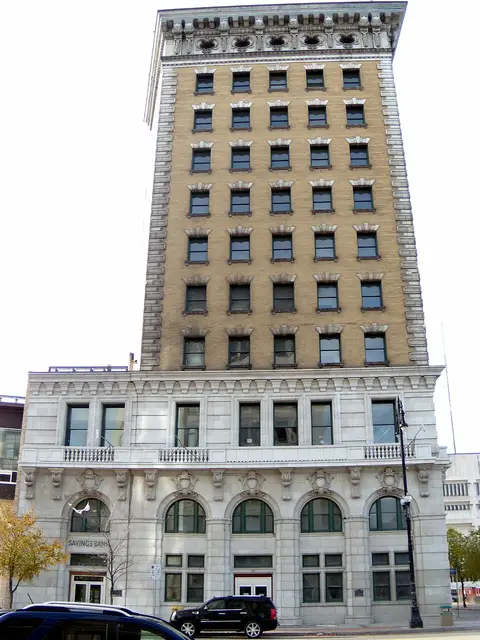
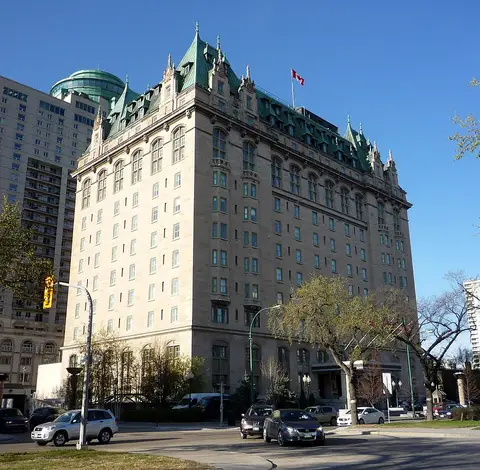
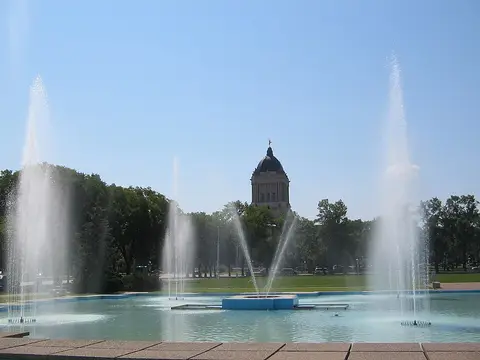
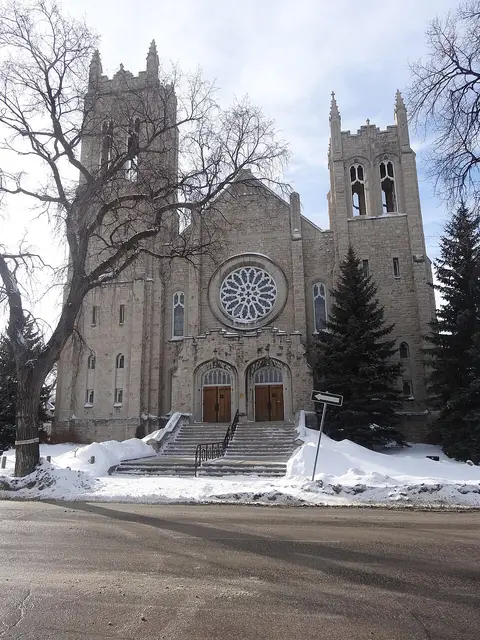
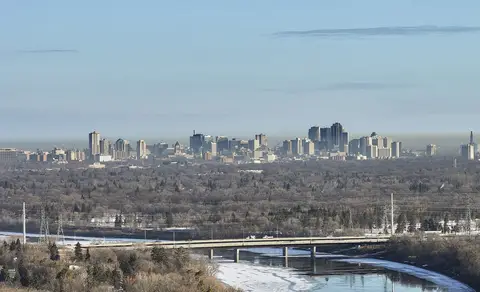
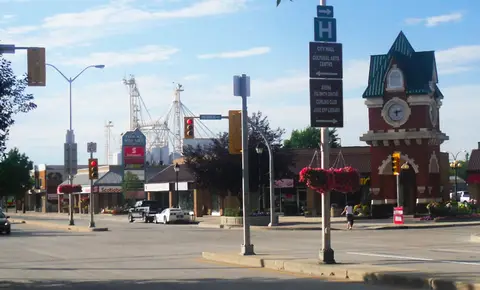
Winnipeg, the capital, sits at the confluence of the Red River and the Assiniboine River, at The Forks, a place where people have been trading for 6,000 years. Today it has markets, riverside trails, and, in winter, a skating trail on the river. The Canadian Museum for Human Rights, with its striking architecture, is one of only two national museums outside the national capital region. The Exchange District, with buildings from around 1900, is often used as a film set, and St. Boniface is the French-speaking neighborhood where Louis Riel, the leader of the Métis, is buried. Polar bears live at the Assiniboine Park Zoo. Places like Riverdale, Birds Hill with its provincial park and festival, and Grande Pointe lie on the edge of the city. Brandon in the west is the second-largest city, and Portage la Prairie is an agricultural center. Steinbach and Winkler were founded by Mennonites, whose history is told at the Mennonite Heritage Village in Steinbach.
Sights in Manitoba
Churchill on Hudson Bay can only be reached by plane or train and calls itself the polar bear capital of the world. In October and November, the bears wait on the shore for the bay to freeze, and visitors watch them from tundra vehicles. In July and August, thousands of belugas come into the river mouth, and in winter the northern lights dance. Riding Mountain National Park, with its bison and lakes, and Whiteshell Provincial Park, with its canoe routes, are other destinations. In Gimli on Lake Winnipeg, many descendants of Icelandic immigrants live, and they hold a Viking festival every year.
Nature and Active Vacations
Manitoba is a destination for canoeists and anglers, with thousands of lakes in Whiteshell and Nopiming Provincial Park. In winter, people go ice fishing on frozen lakes, and cross-country ski trails wind through the forests. In summer, it's worth taking a drive to the beaches of Lake Winnipeg, such as Grand Beach.
Food, Getting There, and Best Time to Visit
Manitoba's cuisine reflects its immigration history: perogies, cabbage rolls, Mennonite dishes like vereniki, Icelandic vínarterta, and walleye, known here as pickerel. Honey dill dip is a Winnipeg specialty. Winnipeg airport connects to all of Canada's major cities. The best time to visit is from June to September; for polar bears, October and November are ideal. Winter is very cold, but it's celebrated with the Festival du Voyageur in February.