Alberta: Rocky Mountains, Prairie and Cowboys
Travel guide · editorialTurquoise glacial lakes, endless wheat fields, dinosaur bones in the Badlands, and the biggest rodeo show in the world: Alberta is Canada's Wild West. A vacation in Alberta takes you to Banff and Jasper national parks, along the Icefields Parkway, and to the Calgary Stampede.
Landscape and Location
Alberta lies between British Columbia and Saskatchewan and borders the US state of Montana to the south. In the west, the Rocky Mountains tower up with glaciated peaks, lakes, and forests. To the east they give way to the foothills and finally to the flat prairie, where wheat, canola, and cattle herds define the scene. In the southeast, rivers have carved badlands into the earth, while in the north boreal forests, bogs, and the oil sands around Fort McMurray stretch out. The chinook, a warm foehn wind, can raise the temperature by 20 degrees in a matter of hours in winter.
Calgary and Edmonton
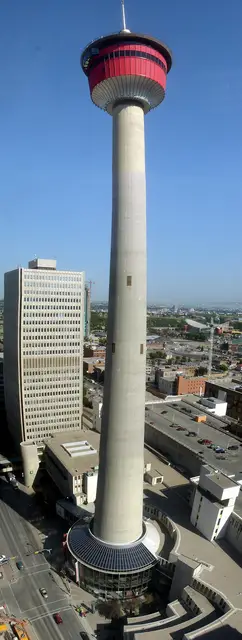
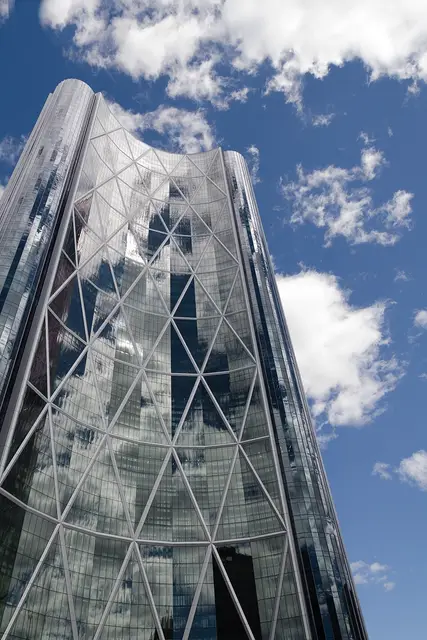
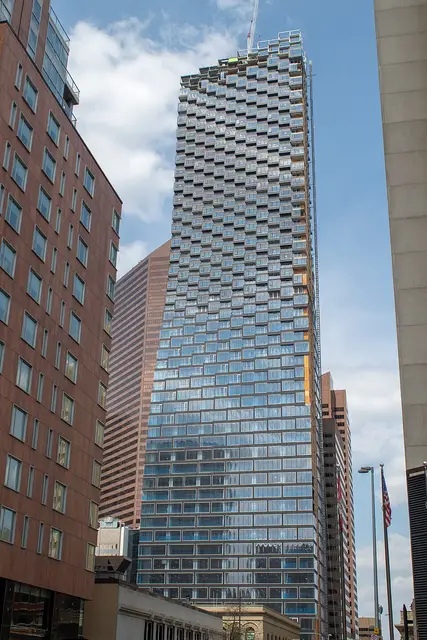
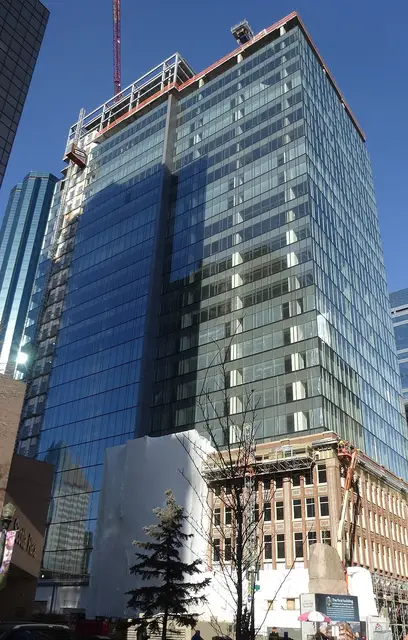
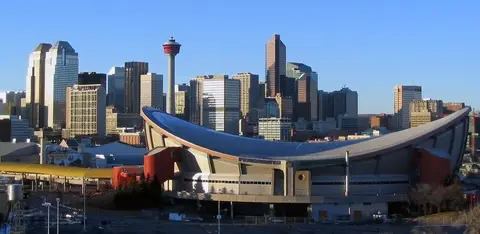
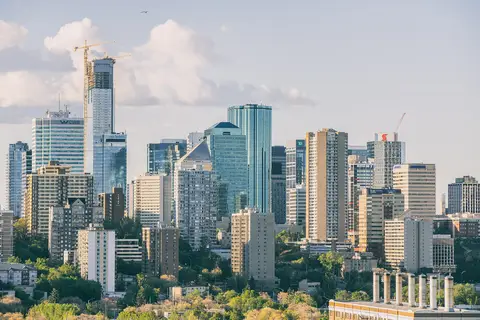
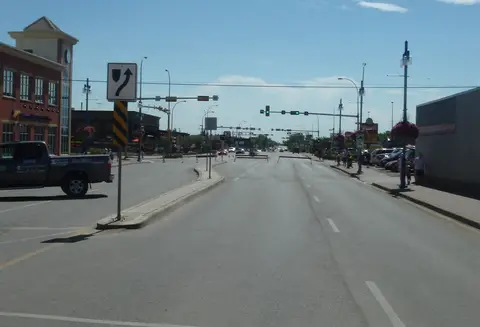
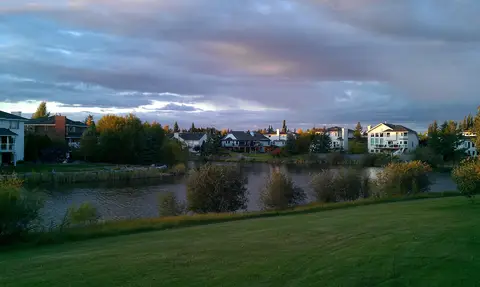
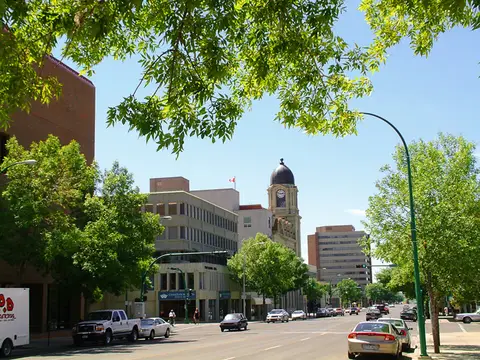
Calgary is the largest city in the province and the center of the oil industry. Every July, during the Calgary Stampede, the city turns into a cowboy festival for ten days, with rodeos, chuckwagon races, and parades, where even bankers wear Stetsons. The Calgary Tower, Studio Bell as the National Music Centre, and the 1988 Olympic facilities are other sights. New neighborhoods and residential developments such as Artists View Park West on the western edge of the city show how rapidly Calgary is growing toward the mountains. Edmonton, the capital, sits on the North Saskatchewan River with one of the largest urban park systems in North America. West Edmonton Mall was long the largest shopping mall in the world, with a wave pool and a roller coaster. In summer, there is a major Fringe theater festival and folk festivals. To the east lies Sherwood Park, a large suburb near Elk Island National Park, home to bison.
Sights in Alberta: The Rockies
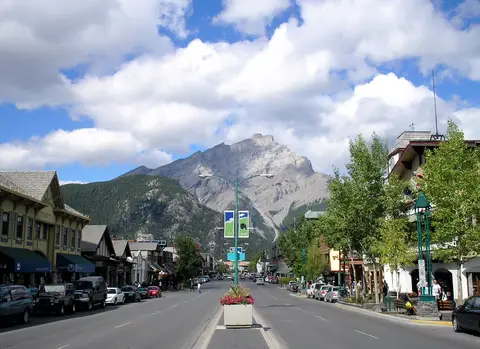
Banff National Park was established in 1885 as Canada's first national park and, together with the adjoining parks, forms part of the Canadian Rocky Mountain Parks World Heritage Site. The town of Banff has hot springs, a gondola up Sulphur Mountain, and the Fairmont Banff Springs Hotel, which looks like a Scottish castle. Lake Louise and Moraine Lake glow in turquoise; Moraine Lake is now accessible only by shuttle bus. The Icefields Parkway runs about 143 miles (230 km) to Jasper, past the Columbia Icefield, where you can walk on the Athabasca Glacier. Jasper is quieter and a Dark Sky Preserve; a wildfire in 2024 destroyed parts of the town, which is being rebuilt. To the south lies Waterton Lakes National Park, which forms an International Peace Park with Glacier National Park in Montana.
Prairie, Badlands, and the North
Near Drumheller, the Royal Tyrrell Museum tells the story of dinosaurs found in the Badlands; Dinosaur Provincial Park, a World Heritage Site, holds an especially large number of fossils. Head-Smashed-In Buffalo Jump, also a World Heritage Site, shows how the Blackfoot drove bison herds over cliffs. Red Deer lies halfway between Calgary and Edmonton. Grande Prairie in the northwest is the center of an agricultural and energy region and the gateway to the Alaska Highway. Fort McMurray lives off the oil sands, and Wood Buffalo, Canada's largest national park, lies partly in Alberta. Kananaskis Country between Calgary and Banff is less well known but popular with locals for hiking and skiing.
Food and Drink
Alberta beef has an excellent reputation, and steakhouses are found in every town. Specialties include bison, ginger beef, a Canadian-Chinese creation from Calgary, and the Caesar, a cocktail of vodka, Clamato, and spices that was invented in Calgary. In summer, farmers' markets sell saskatoon berries and honey. Craft breweries are plentiful in Calgary and Edmonton.
Getting There and Best Time to Visit
Calgary and Edmonton have international airports, with Calgary offering direct flights from Europe. From Calgary to Banff it's about a 90-minute drive, and buses and shuttles run regularly. You need a park pass for the national parks. The best time to visit Alberta is from June to September, when the lakes are ice-free and the passes are open. The larches turn golden in mid-September. Winter is cold, but Banff, Lake Louise, and Jasper offer excellent skiing and ice walks in canyons.