Discover Edmonton: River Valley, Festivals, and the Mall
Travel guide · editorialEdmonton calls itself "Festival City," and rightly so: in summer, one celebration follows the next. A trip to Edmonton takes you to North America's largest continuous urban park in the river valley, to one of the world's largest shopping malls, and to the gateway to Canada's North.
Fur Trade, Gold Rush, and Oil
In 1795, the Hudson's Bay Company founded Fort Edmonton on the North Saskatchewan River for the fur trade with the Cree, Nakota, and Métis. During the Klondike Gold Rush of 1897, Edmonton was the jumping-off point for prospectors heading north. In 1905, the city became the capital of the newly created province of Alberta. The oil discoveries near Leduc in 1947 set off a boom that made Edmonton a center of the energy industry. Today it is the seat of the provincial government and the University of Alberta.
Sights in Edmonton
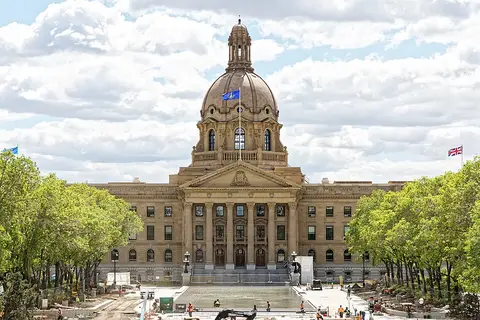
The North Saskatchewan River valley, known as the River Valley, forms a green belt with more than 160 kilometers of trails, ideal for hiking and cycling. Above the valley rises the Alberta Legislature Building with its dome and fountains, a popular gathering spot in summer. The four glass pyramids of the Muttart Conservatory house plants from different climate zones. The Royal Alberta Museum downtown is the largest museum in western Canada, and the Art Gallery of Alberta impresses with its curving steel façade. At Fort Edmonton Park, you can relive history from the fur trade to the 1920s. The West Edmonton Mall is more theme park than shopping center, with a roller coaster, wave pool, ice rink, and hundreds of stores.
Neighborhoods: Old Strathcona and Downtown
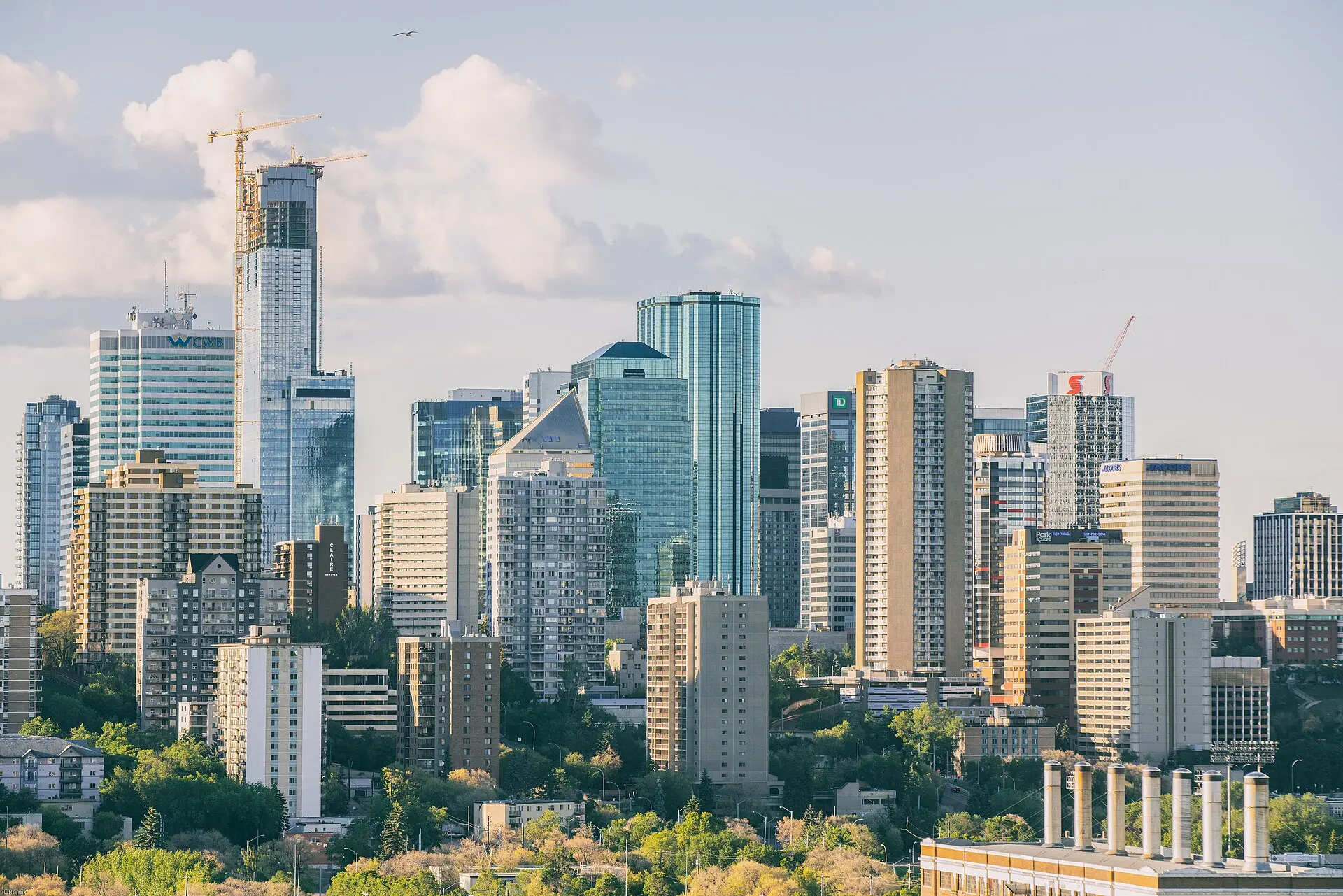
South of the river lies Old Strathcona with Whyte Avenue, Edmonton's nightlife district with bars, secondhand shops, and theaters. A popular farmers market takes place here on weekends. Downtown has changed dramatically with the Ice District around Rogers Place arena, home of the Oilers hockey team. Garneau and the university campus have a distinctly student feel, while Chinatown North and the neighborhood around 124th Street, Wîhkwêntôwin, offer galleries, cafés, and restaurants. The name Wîhkwêntôwin comes from the Cree language and means roughly "circle of friends"; it has replaced the former name Oliver since 2021. A nice way to see the city is a ride on the historic High Level Bridge Streetcar, which rattles across the tall steel bridge between Downtown and Old Strathcona in summer.
Festivals and Food
The highlight is the Edmonton International Fringe Theatre Festival in August, one of the largest theater festivals in North America. Also on the calendar are the Folk Music Festival, the Heritage Festival with booths from dozens of countries, and K-Days, a large fair. Edmonton's restaurants serve Alberta beef, Ukrainian specialties such as pierogi (Edmonton has a large Ukrainian-Canadian community), and a growing scene of craft beer and modern cuisine, especially in Old Strathcona and Downtown.
Getting There and Best Time to Visit
Edmonton International Airport is about 30 kilometers south of the city, with buses and taxis running to the center. In the city, the LRT lines connect Downtown, the university, and the suburbs. The best time to visit is from June to September, with long, warm summer days. Winters are long and very cold, but you'll find ice festivals and the occasional northern lights on the edge of the city. A worthwhile excursion leads to Elk Island National Park east of the city, where bison roam free, and another goes to Jasper in the Rocky Mountains.